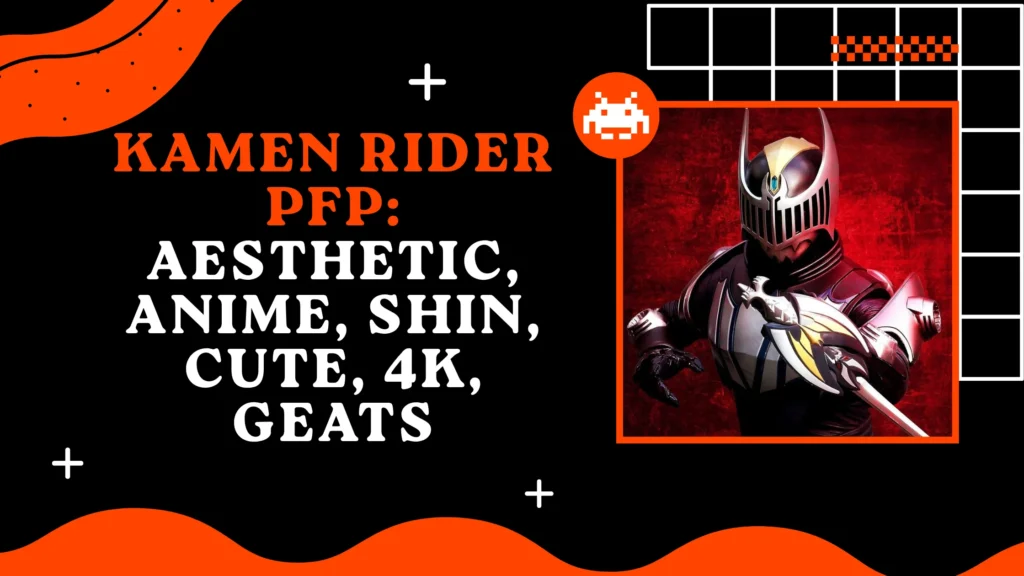
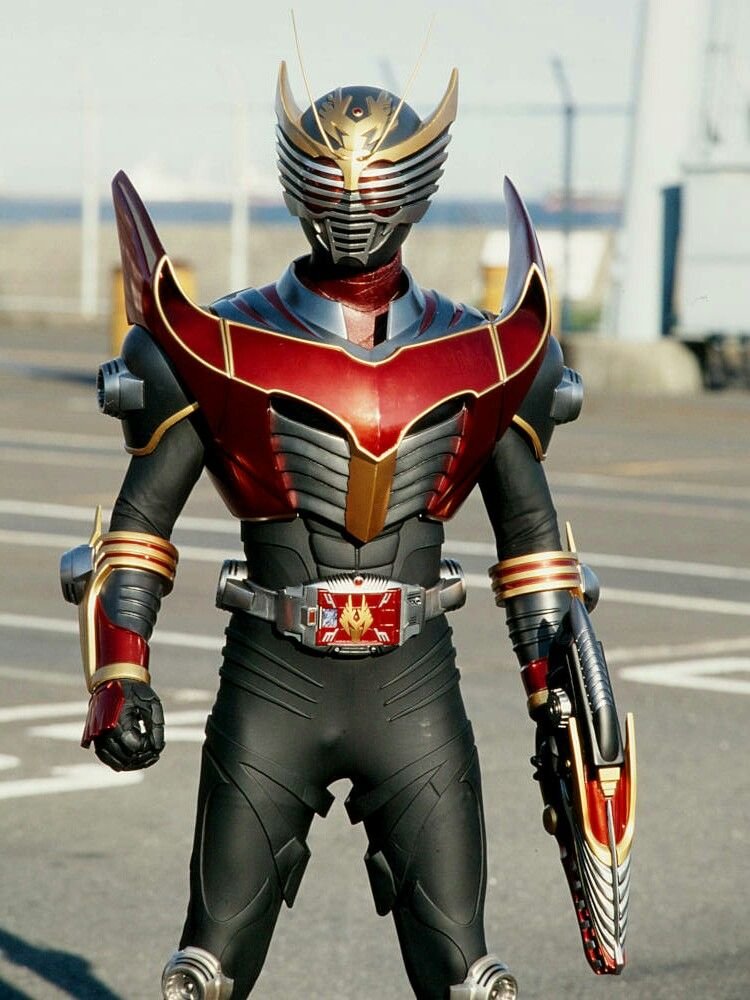
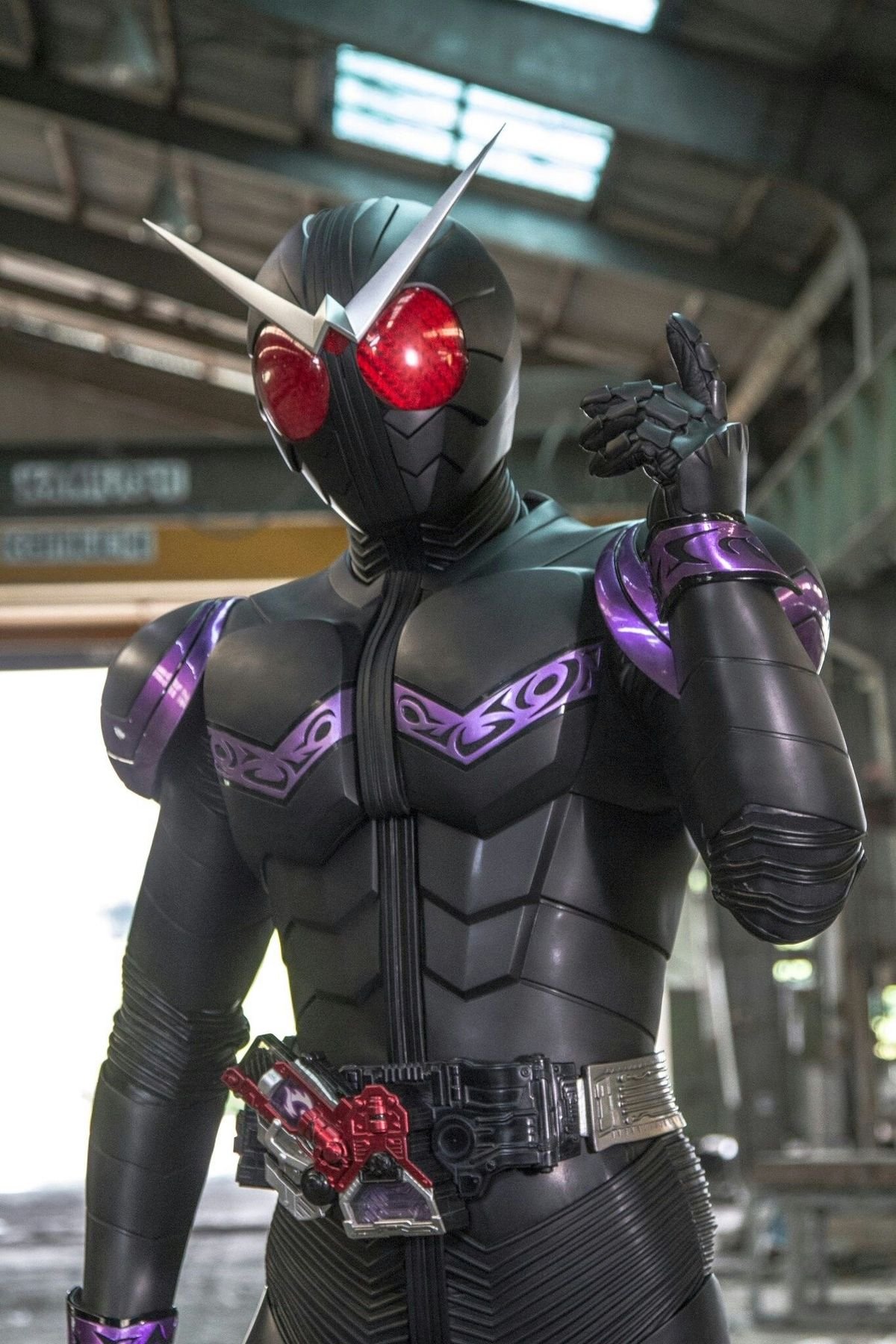
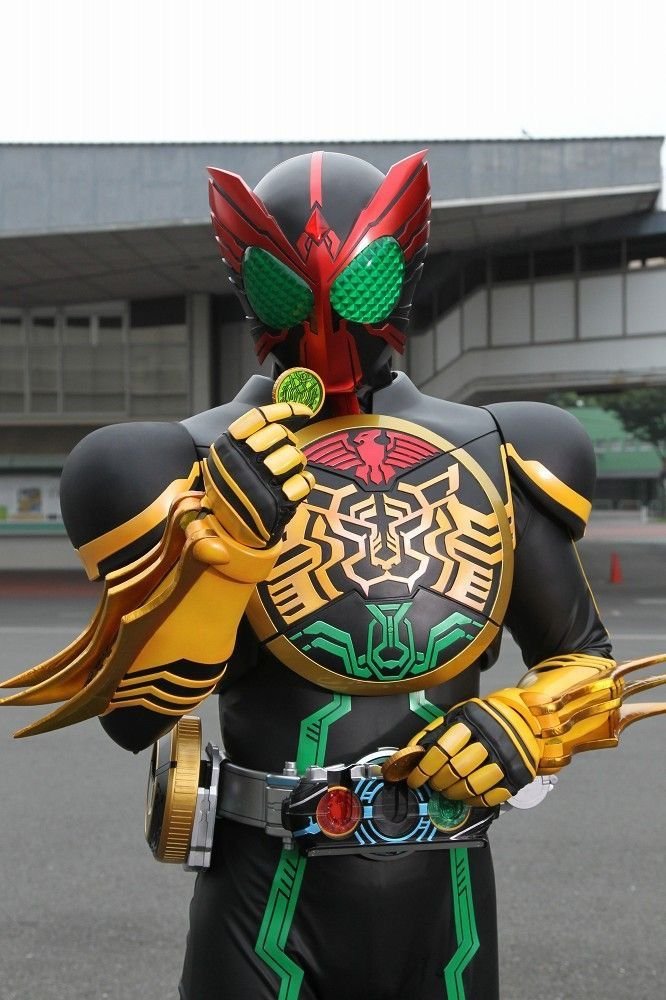
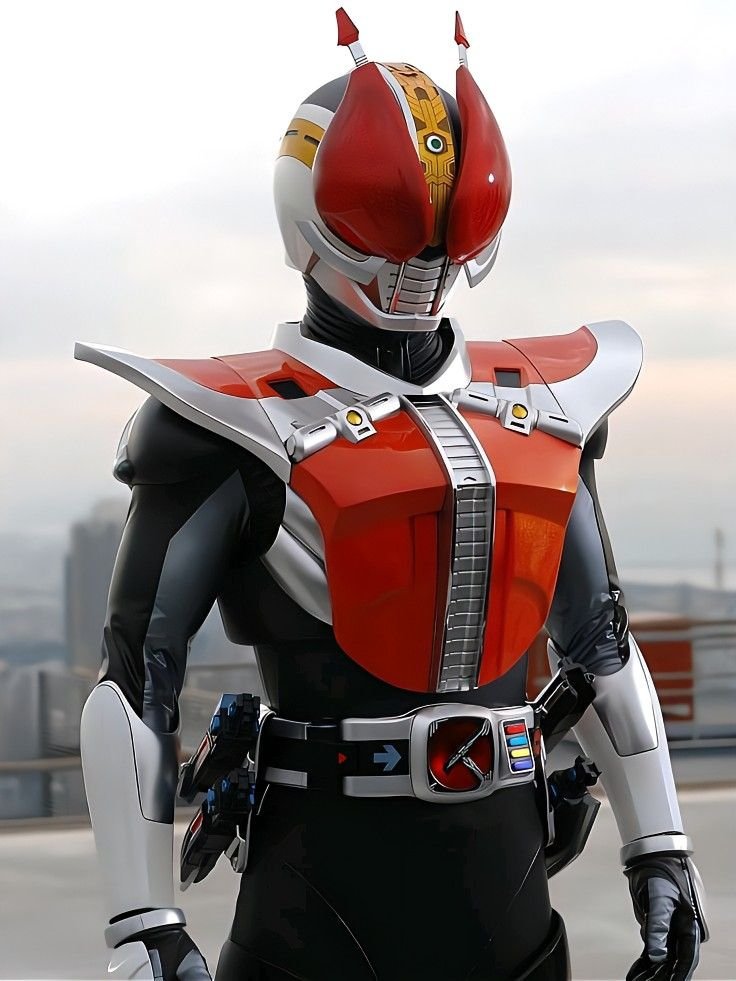
A Kamen Rider PFP taps into over fifty years of hero mythology, a longer unbroken run than almost any other tokusatsu or superhero franchise can claim. Created by manga artist Shotaro Ishinomori in 1971, the original series followed Takeshi Hongo, a college student turned grasshopper-motif cyborg, after his son picked the insect design over roughly fifty other concept sketches Ishinomori had drawn. What makes Kamen Rider work as a PFP, rather than any generic masked hero, is that the mask itself carries five decades of generational identity. A Showa Rider's rounded compound-eye visor reads completely differently from a Reiwa Rider's angular, tech-forward helmet, so picking a specific Rider signals more than toku fandom: it shows which generation shaped it, whether Showa loyalist, Heisei revival kid, or Reiwa newcomer.
Kamen Rider 1
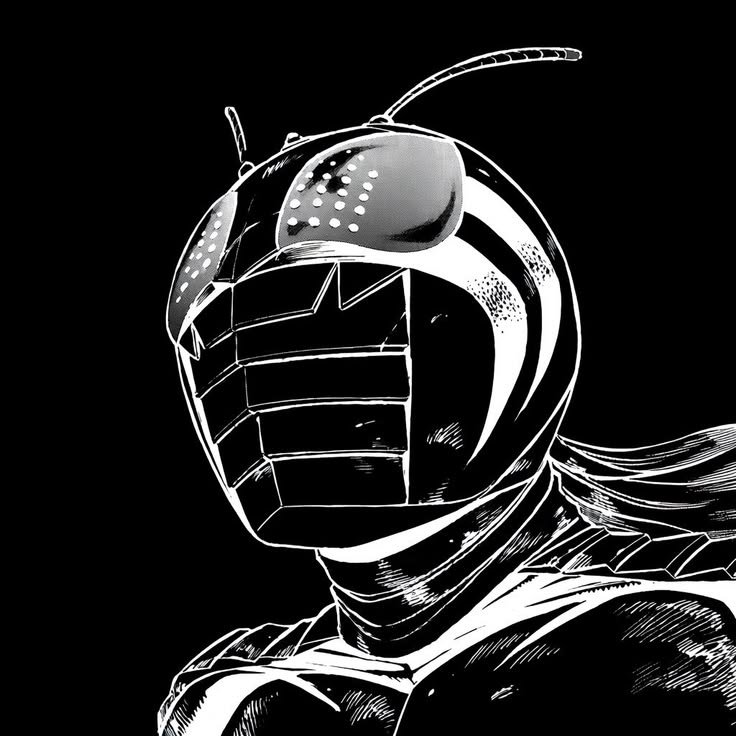
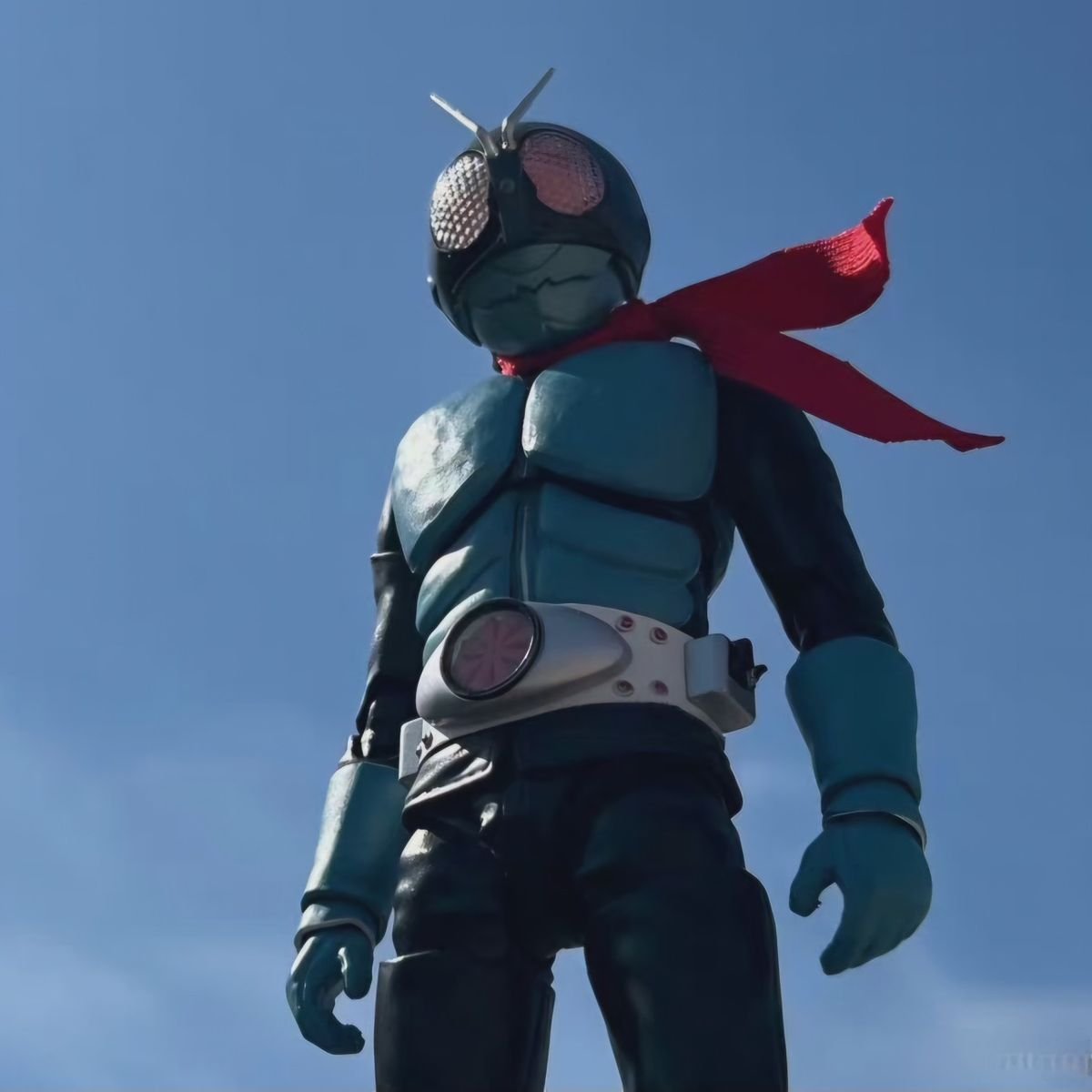
Kamen Rider 1, worn by Takeshi Hongo, is the character that started the entire genre, debuting on April 3, 1971 after Ishinomori and producer Toru Hirayama built the show around a modified-human hero fighting the secret organization Shocker. The grasshopper motif, compound insect eyes, antenna-like sensors, and a red muffler that whips behind him mid-kick, was chosen because it tested well with a child audience, and that scarf remains the single most identifiable silhouette element across every Kamen Rider 1 PFP. The original suit runs on a muted green-and-silver base rather than the saturated primaries later Riders adopted, which gives these PFPs a more grounded, sci-fi-horror tone consistent with the show's darker 1971 broadcast. Editors tend to lean into grain and desaturation rather than fighting it, since the source footage was never meant to look glossy.
Kamen Rider Black
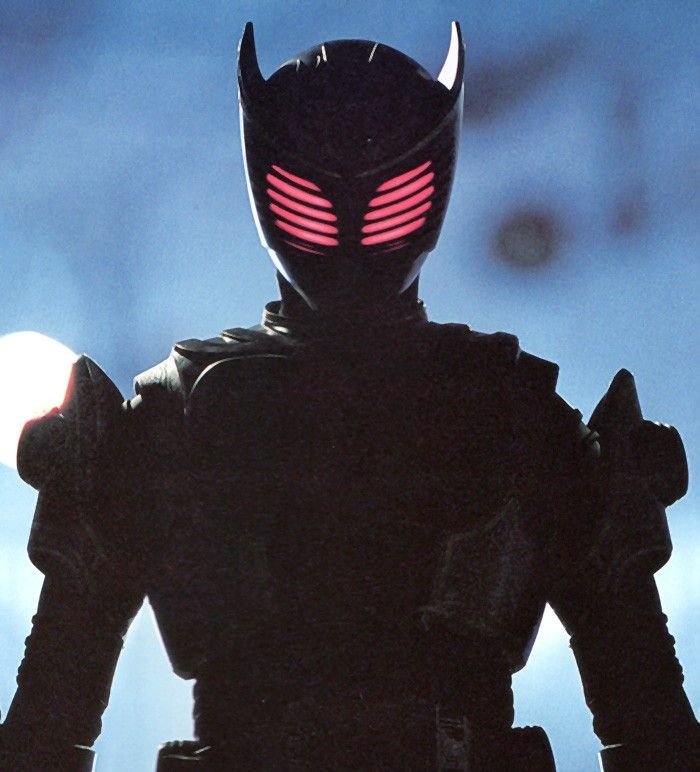
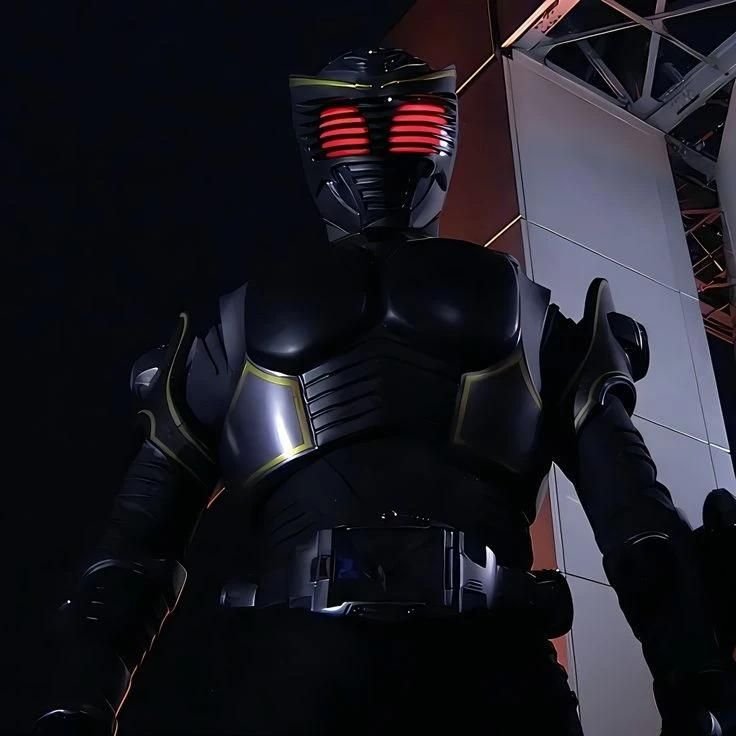
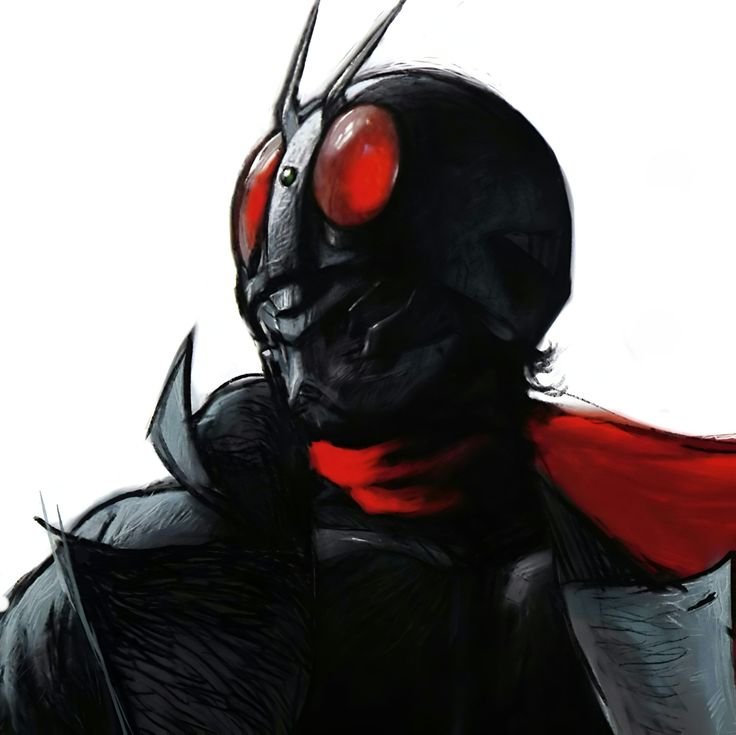
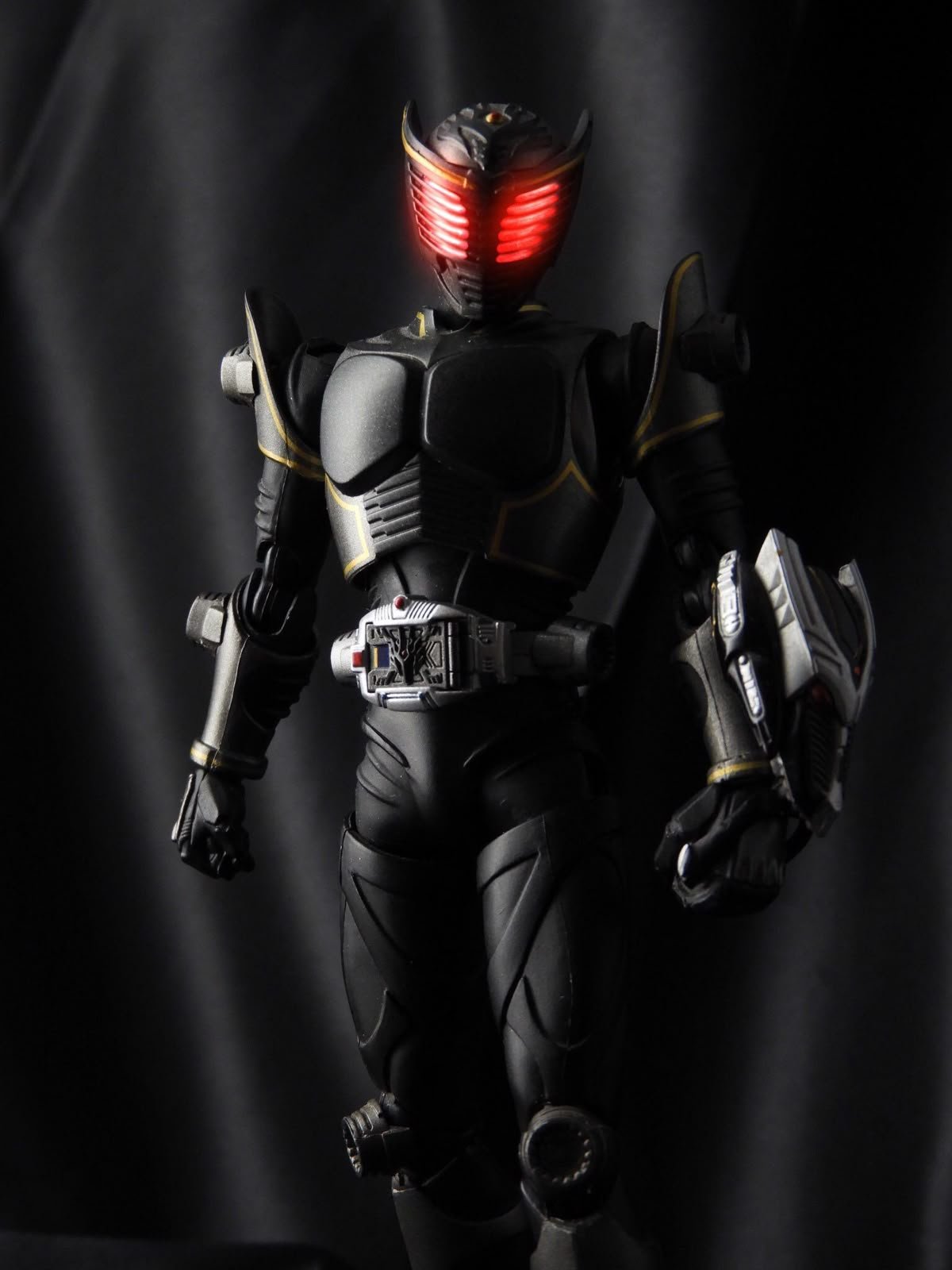
Kamen Rider Black closed out the Showa era in 1987 and is widely considered the design and storytelling peak of that first generation, built around protagonist Kotaro Minami and his power via the King Stone. Where Kamen Rider 1's suit was muted, Black leans into exactly what its name promises: a matte black bodysuit offset by a sharply sculpted red compound-eye visor, giving it one of the highest-contrast silhouettes in the entire franchise. That contrast is why Black PFPs perform well across nearly every platform: the black suit swallows shadow detail cleanly against dark backgrounds like Discord's default theme, while the red visor stays the single bright focal point even when heavily cropped. Fan edits consistently favor hard, direct lighting on the visor rather than diffuse ambient light, since the visor's shape is the entire read of the image at small sizes.
Kamen Rider Kuuga
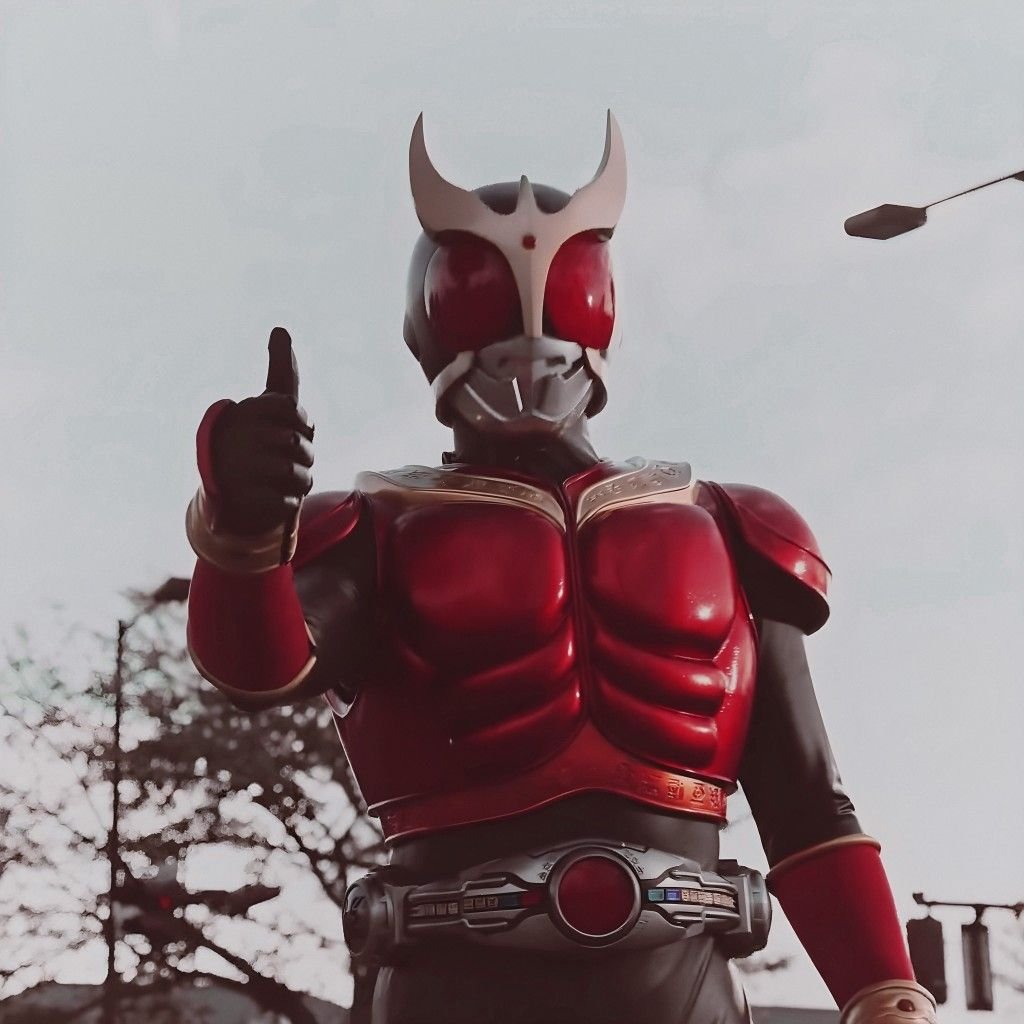
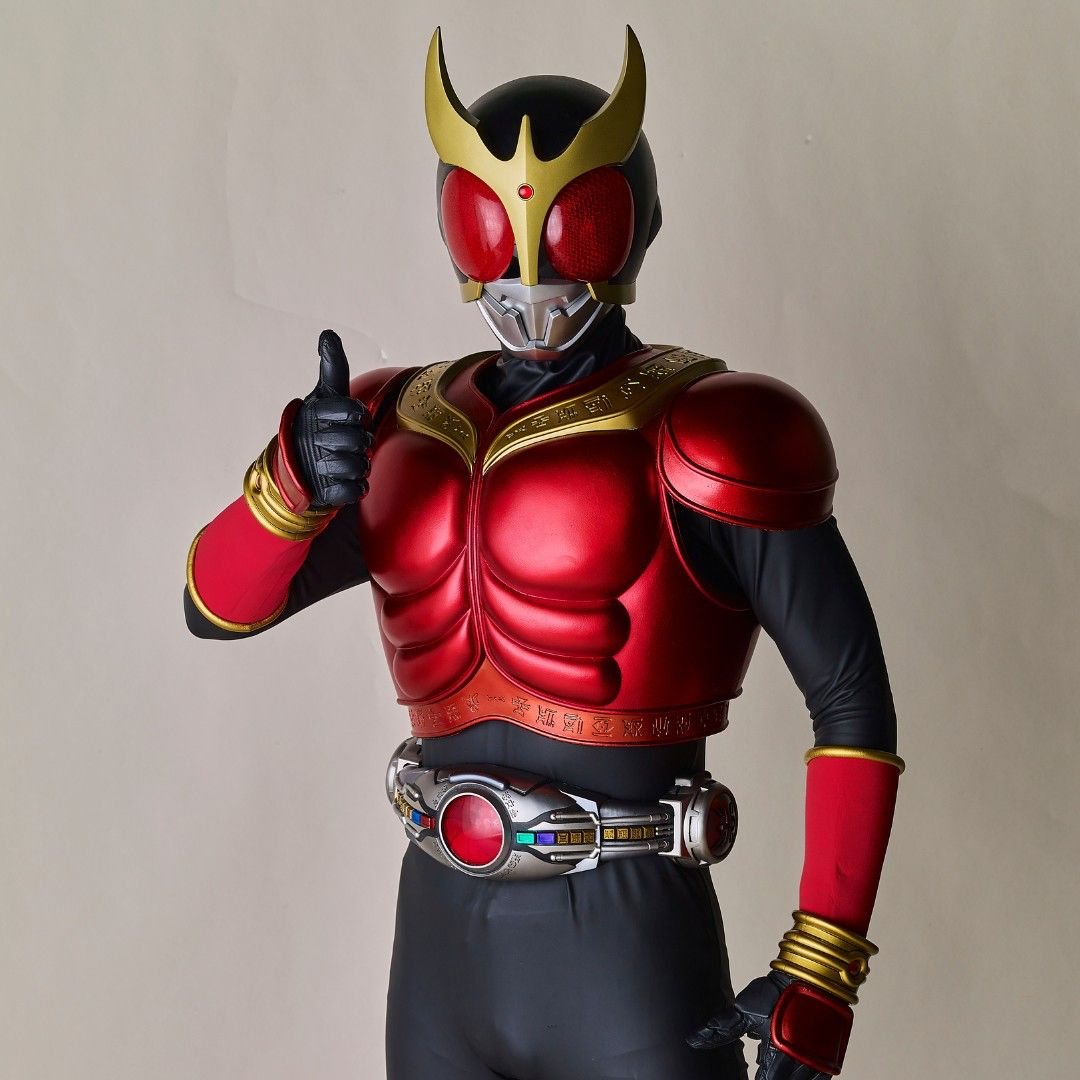
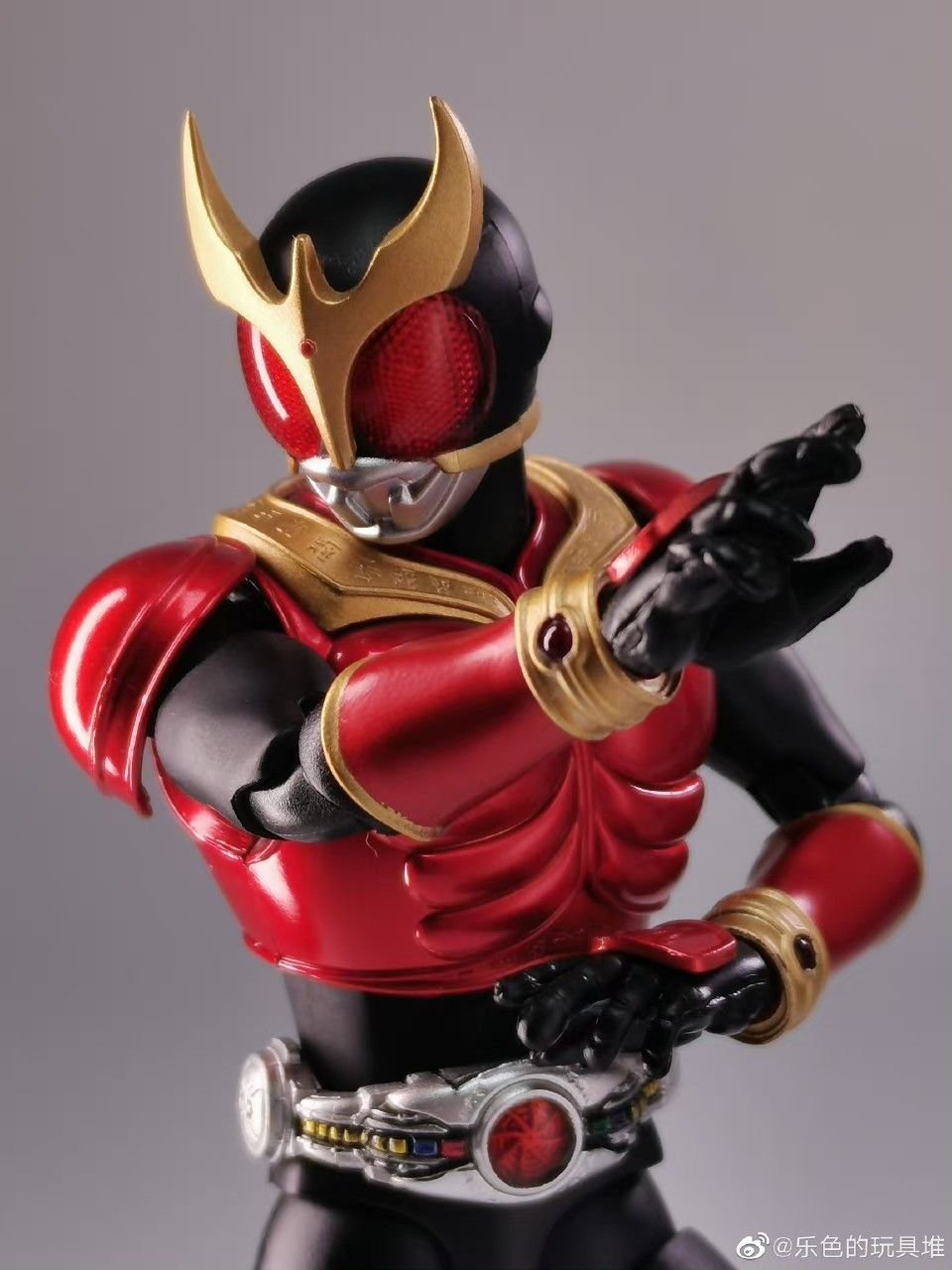
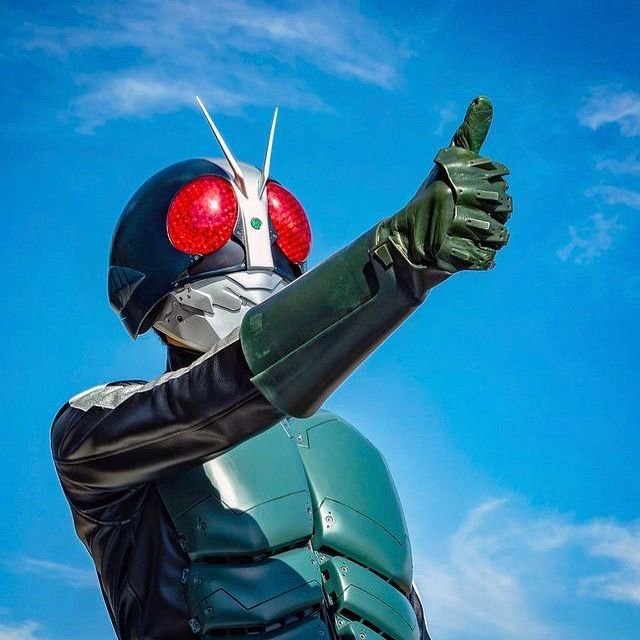
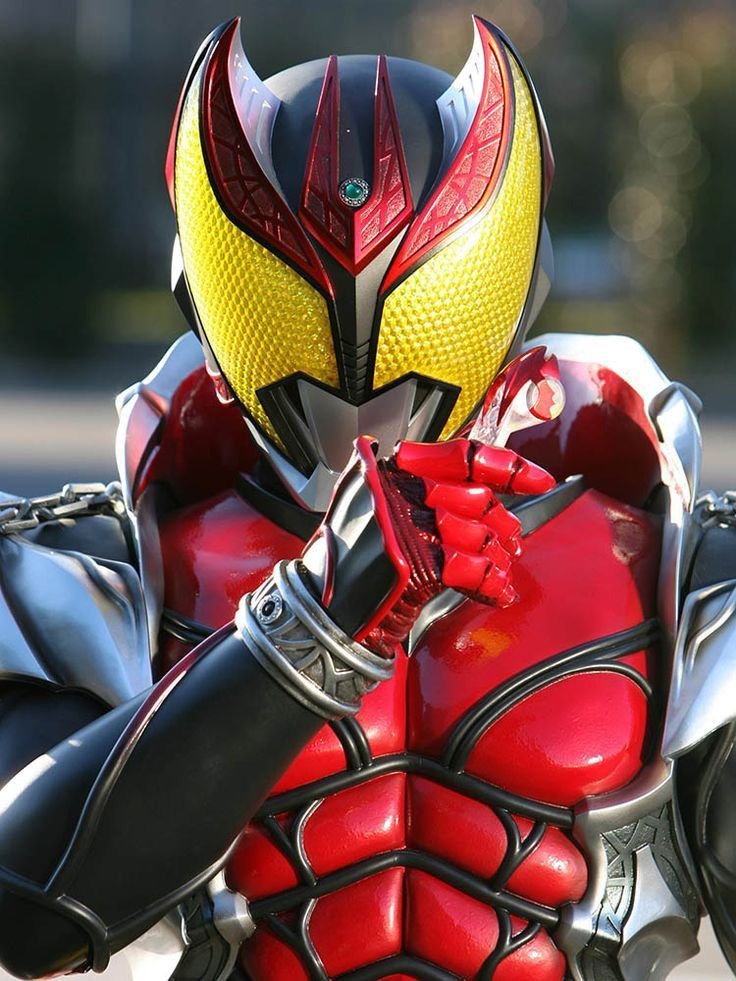
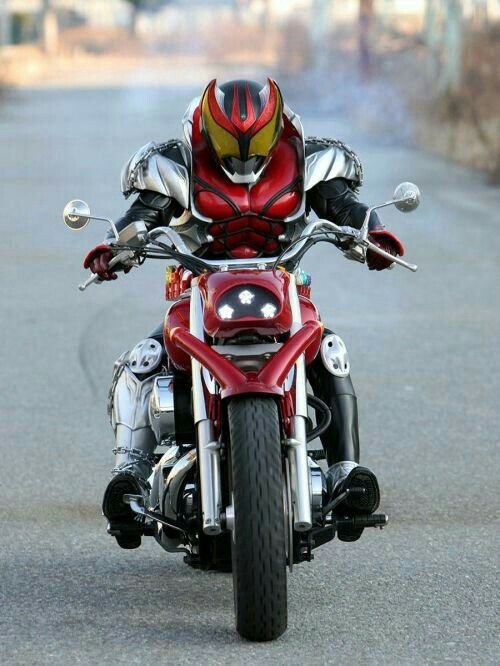
Kamen Rider Kuuga relaunched the franchise in 2000 after a decade-long television hiatus and is credited with defining the entire Heisei era's tone: grounded and procedural with a considerably more serious edge than the Showa run. Protagonist Yusuke Godai's now-famous thumbs-up pose, used repeatedly throughout the series as a gesture of reassurance, has become one of the most reused images in Kamen Rider fan art because it is one of the only Rider poses that reads as warm rather than combative. Kuuga's suit design is built around stone-carving and ancient-ruin motifs rather than the insect or animal themes common elsewhere, giving it a red-and-gold color scheme with a deliberately weathered texture rather than a sleek finish. That texture is a gift for editors working at higher resolutions, since the surface detail holds up under zoom in a way flatter, glossier suits do not. Because the thumbs-up has become a recognizable meme format within the fandom, Kuuga PFPs get pulled into casual, non-toku-specific meme use as well.
Kamen Rider W
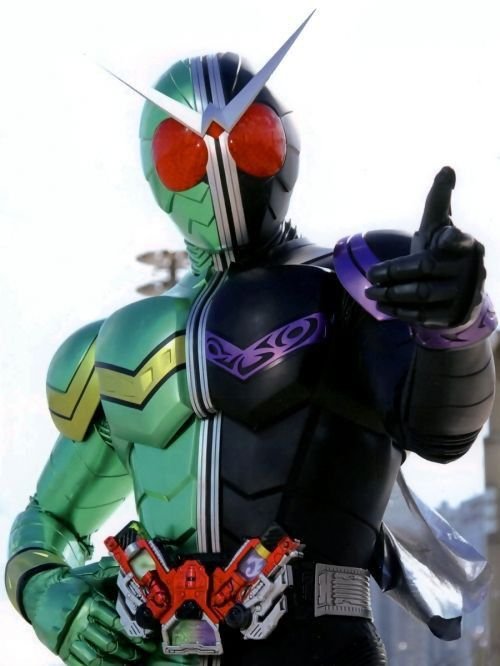
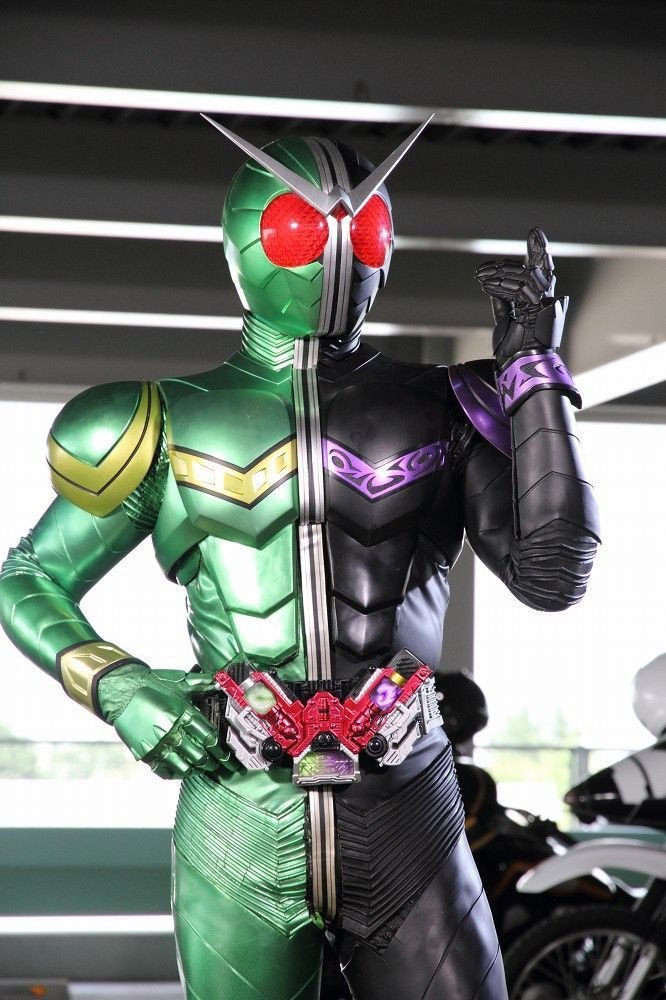
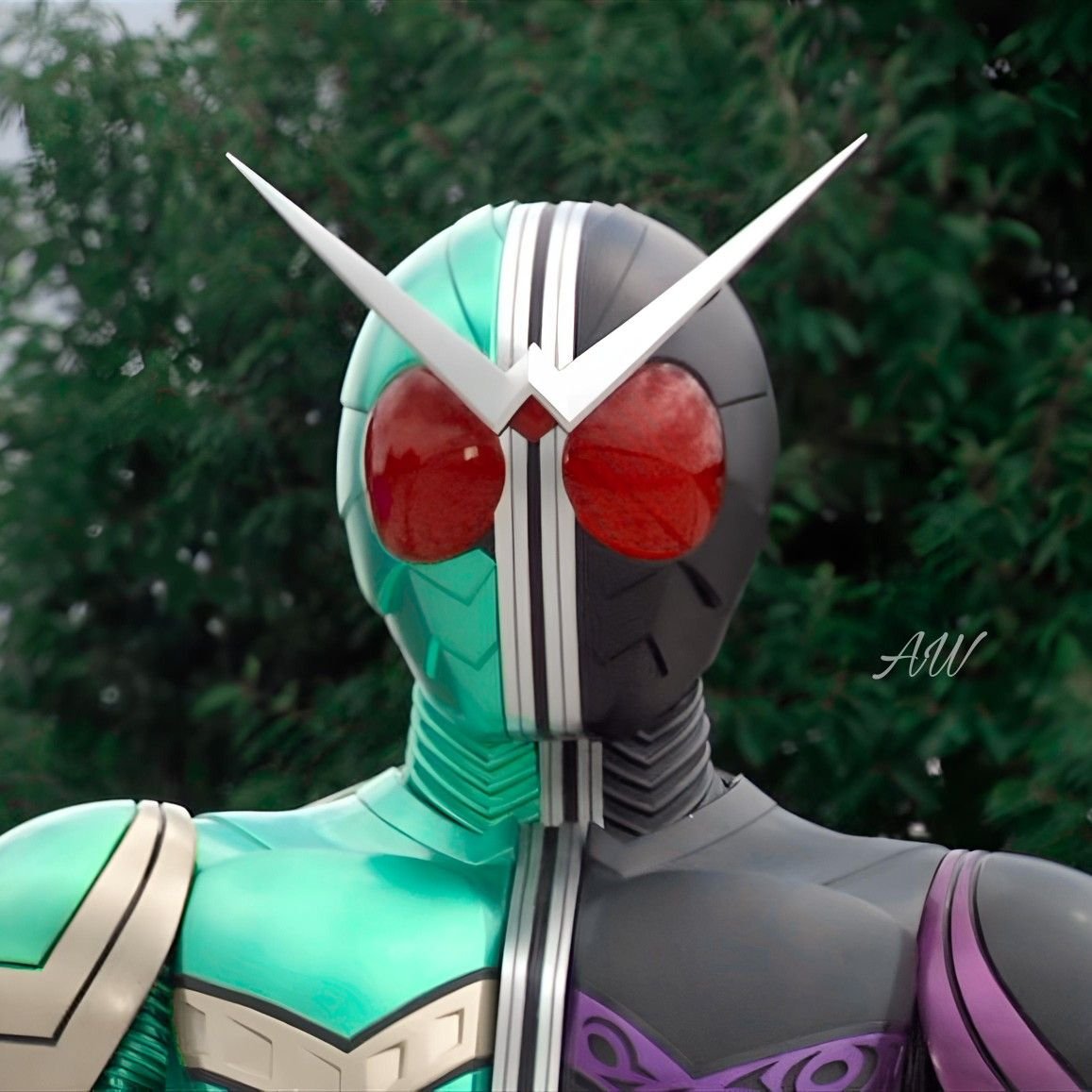
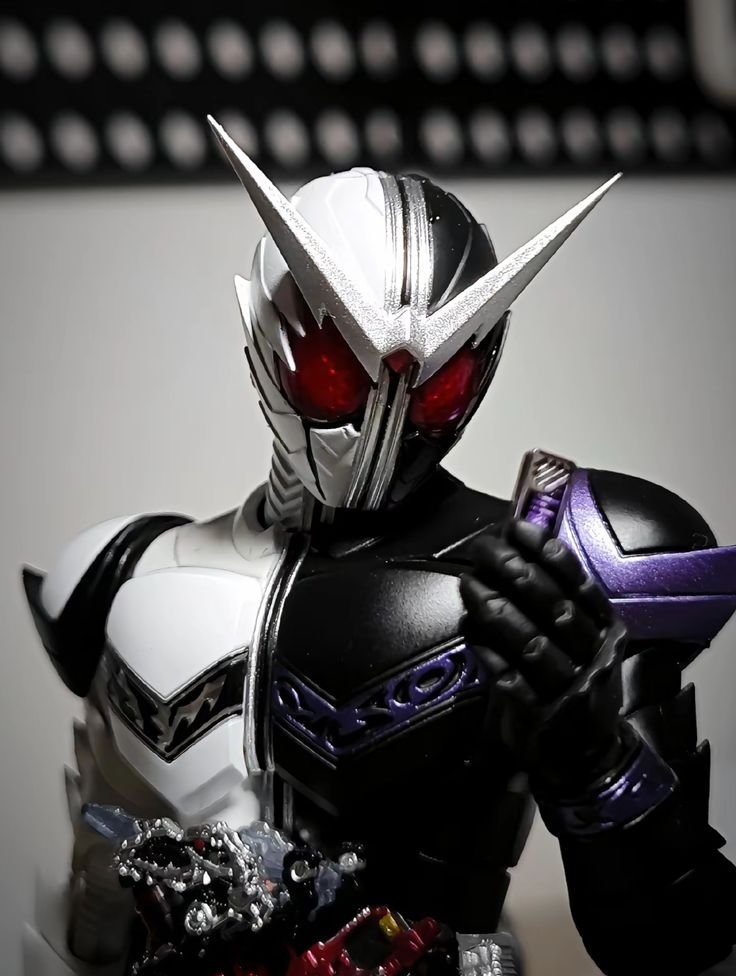
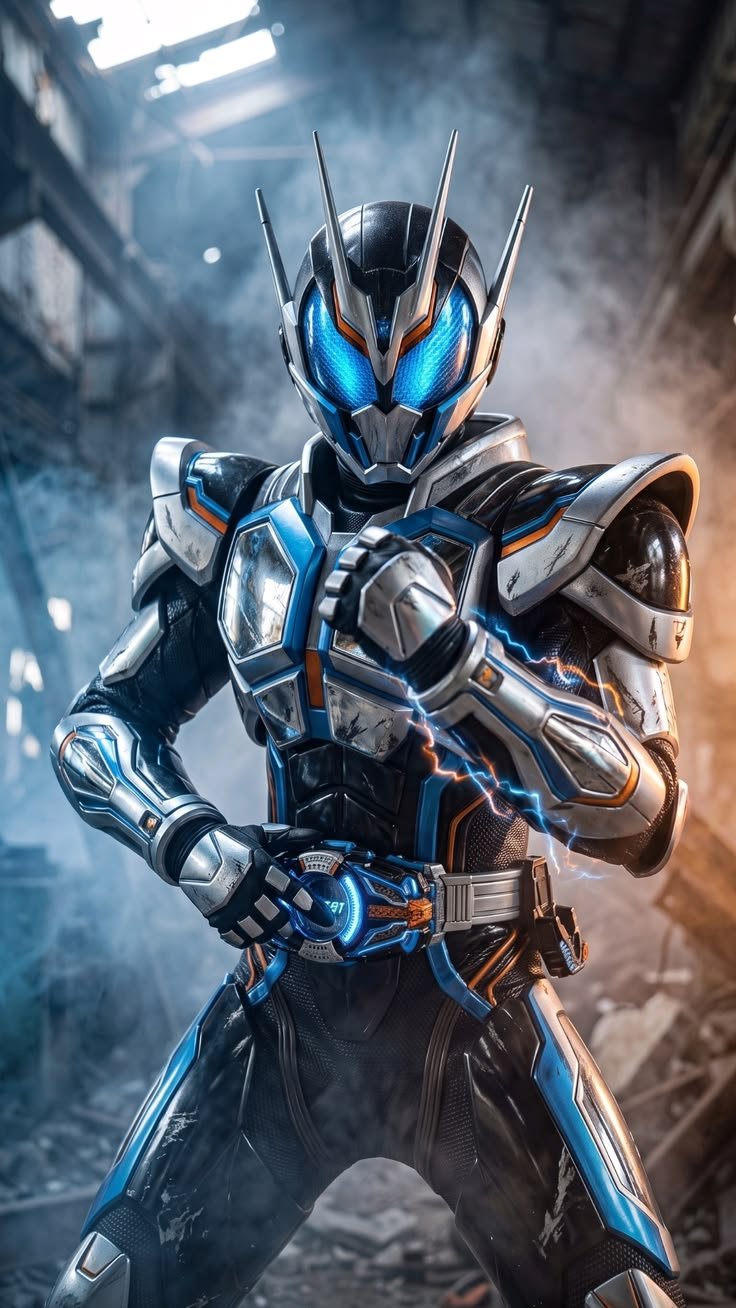
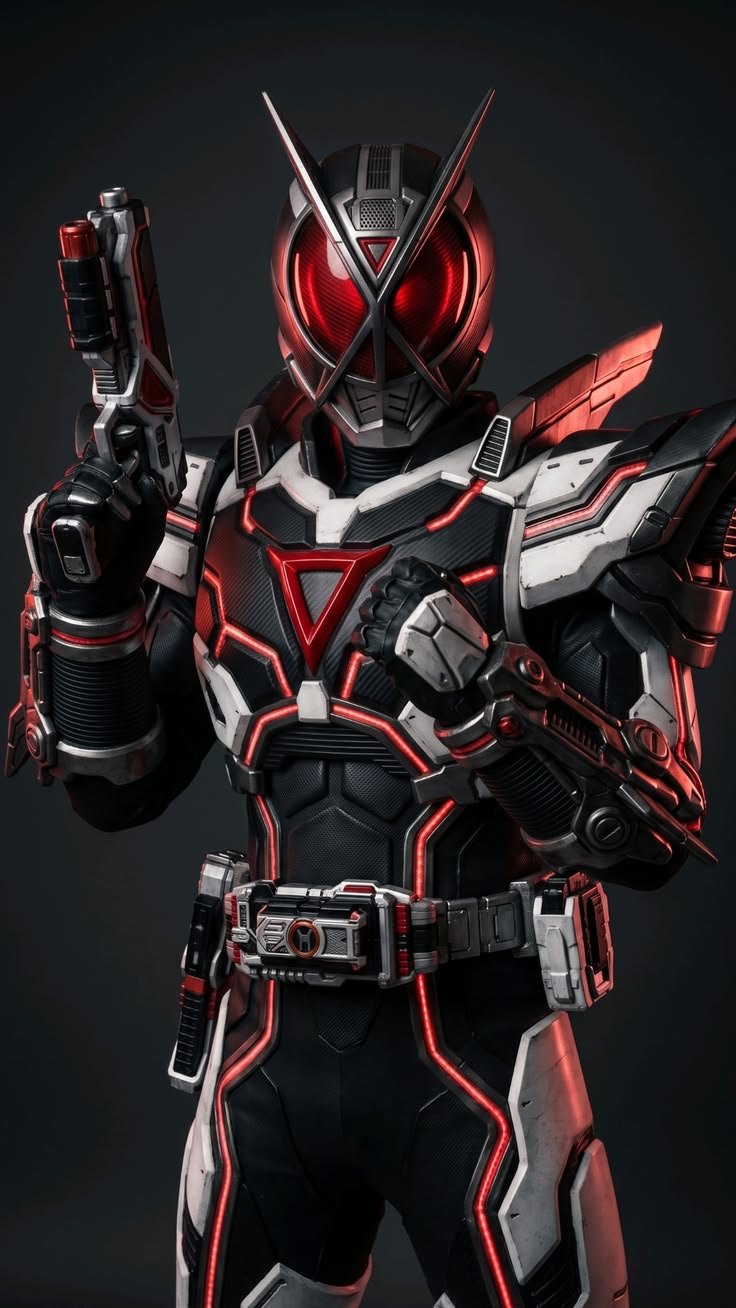
Kamen Rider W, which premiered in 2009, is built around a gimmick no other entry on this list shares: two separate people, private detective Shotaro Hidari and the amnesiac Philip, combine into a single Rider body, with the suit's left and right halves rendered in two different colors depending on which combination is active. That dual-half asymmetry is the defining visual trait fans reference when they say Kamen Rider W PFP. The most common combination, Cyclone Joker, splits the suit down the middle into cool blue on one side and hot orange on the other, which makes W PFPs unusually well-suited to matching or split-theme boards: fans can crop just the blue half for one avatar and the orange half for a paired one. Because W's entire premise is partnership, two people and one Rider, it is one of the few entries with a natural built-in matching PFP use case for duos and close friend pairs.
Kamen Rider Zero-One
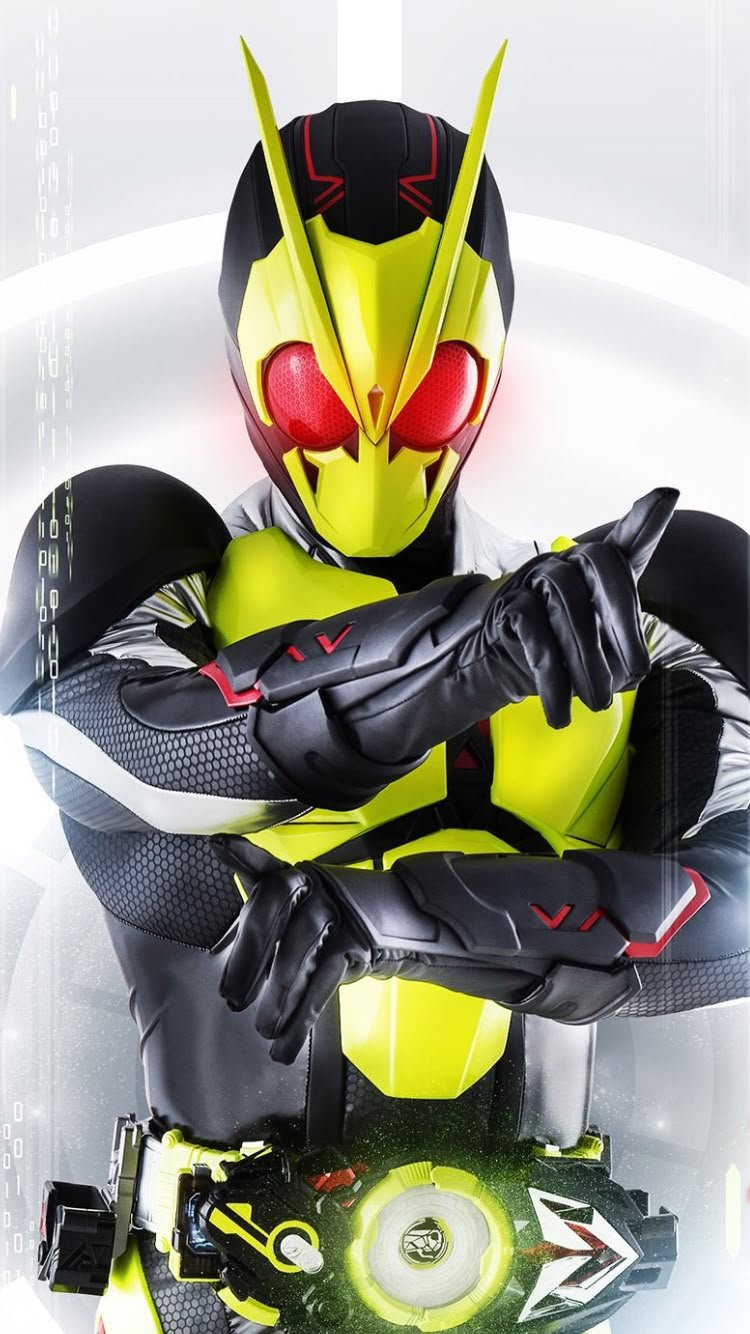
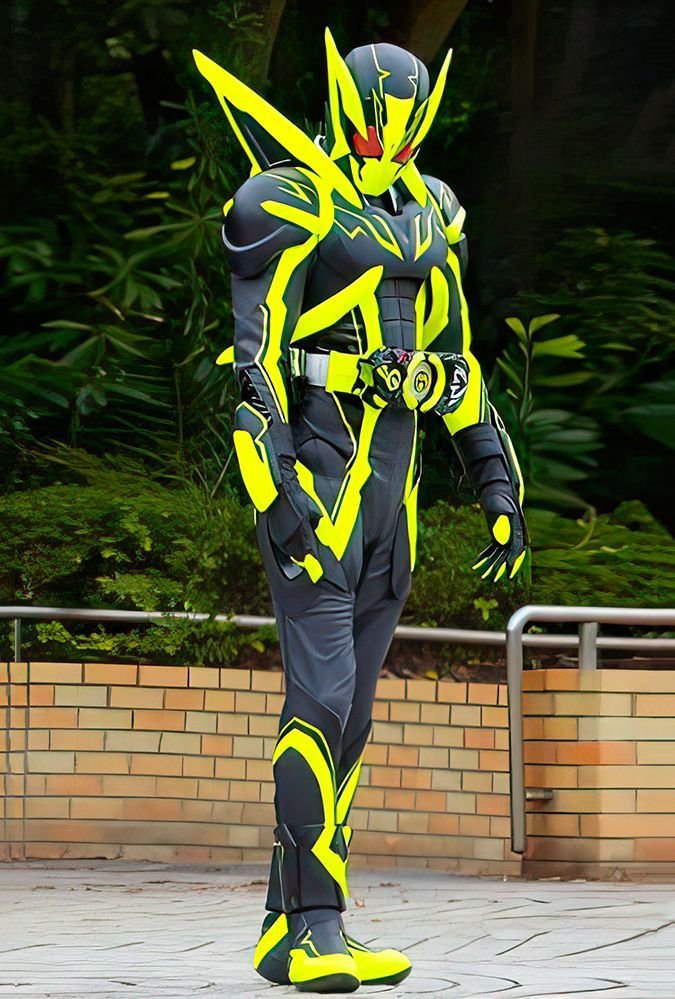
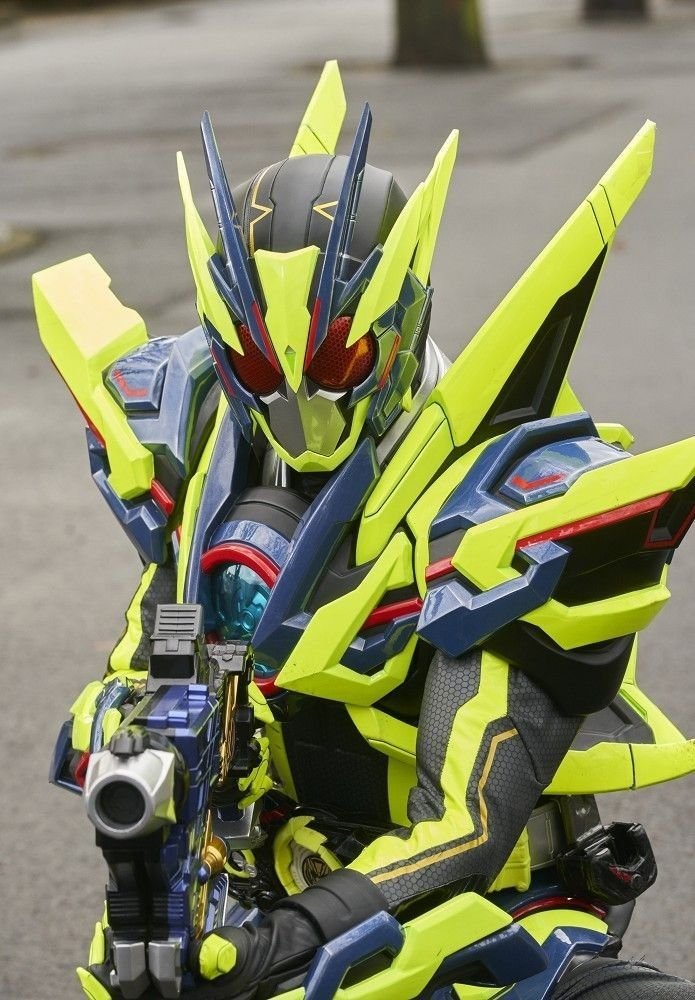
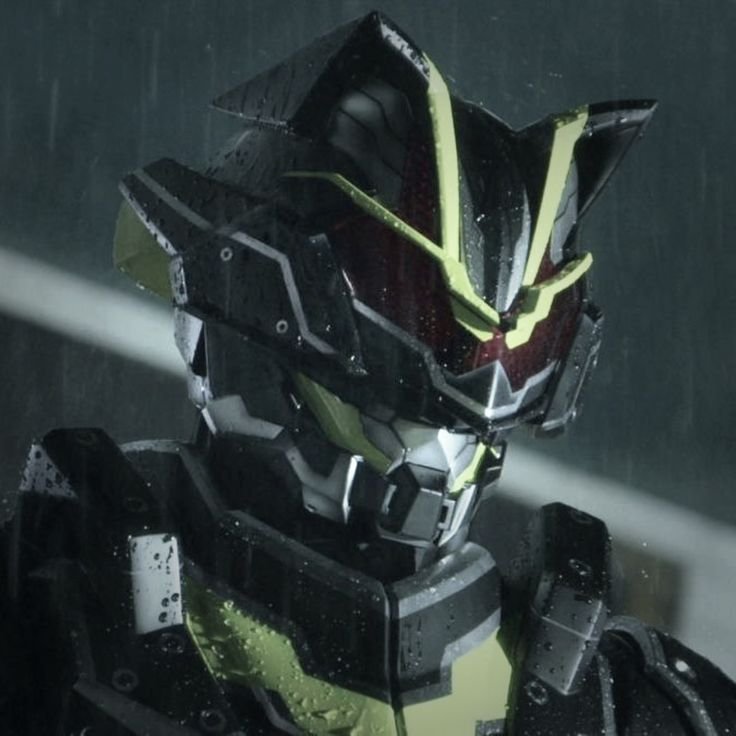
Kamen Rider Zero-One opened the Reiwa era on September 1, 2019, following CEO-turned-hero Aruto Hiden as he balances running an AI company with fighting rogue androids. His bright yellow-and-black suit and tech-forward helmet mark a clean break from earlier designs, giving Reiwa-era PFPs a sharper, more digital feel that suits modern gaming and Discord profiles.
More Kamen Rider PFPs
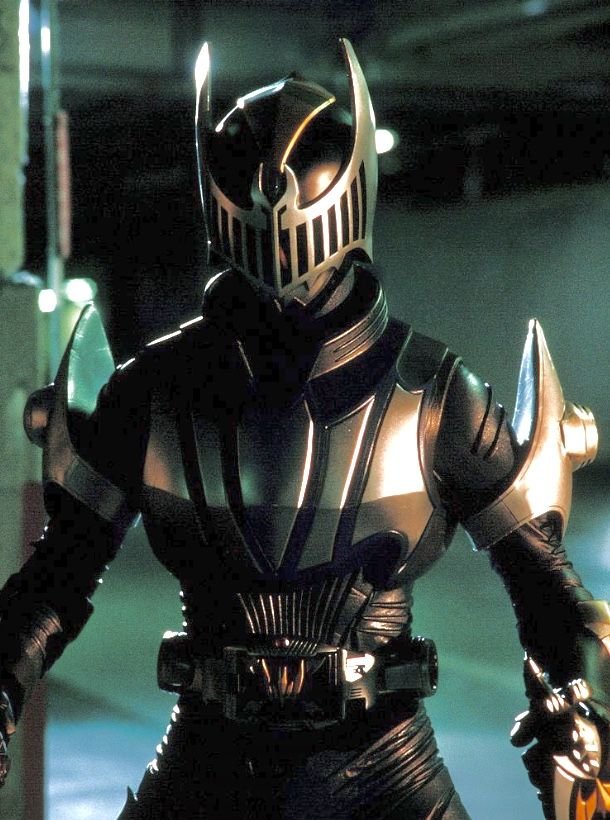
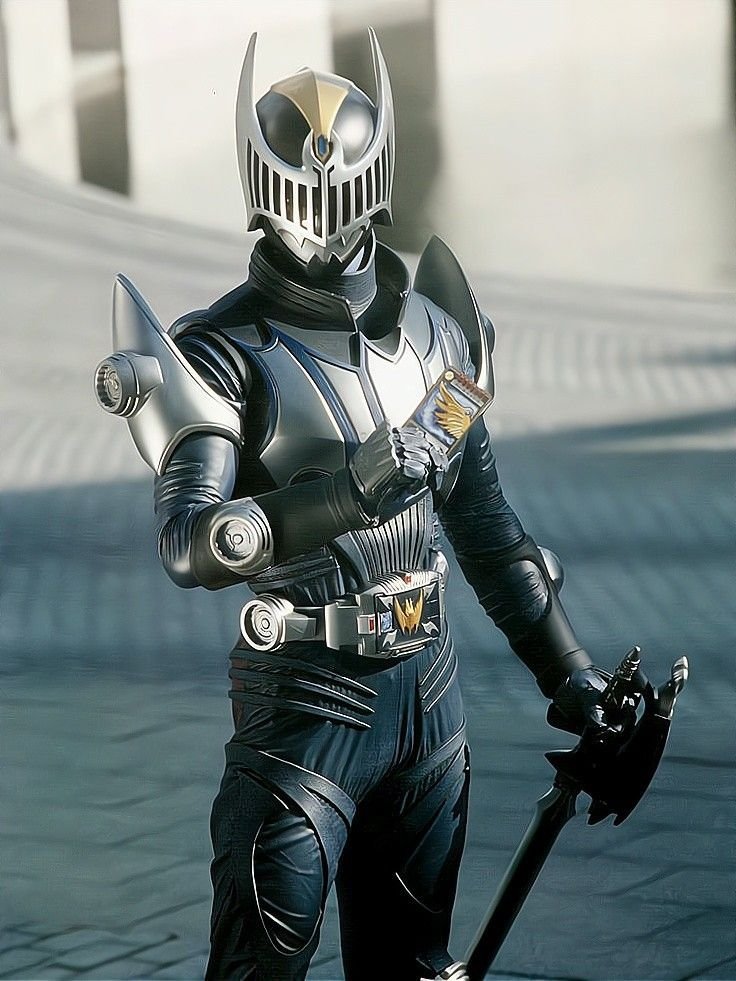
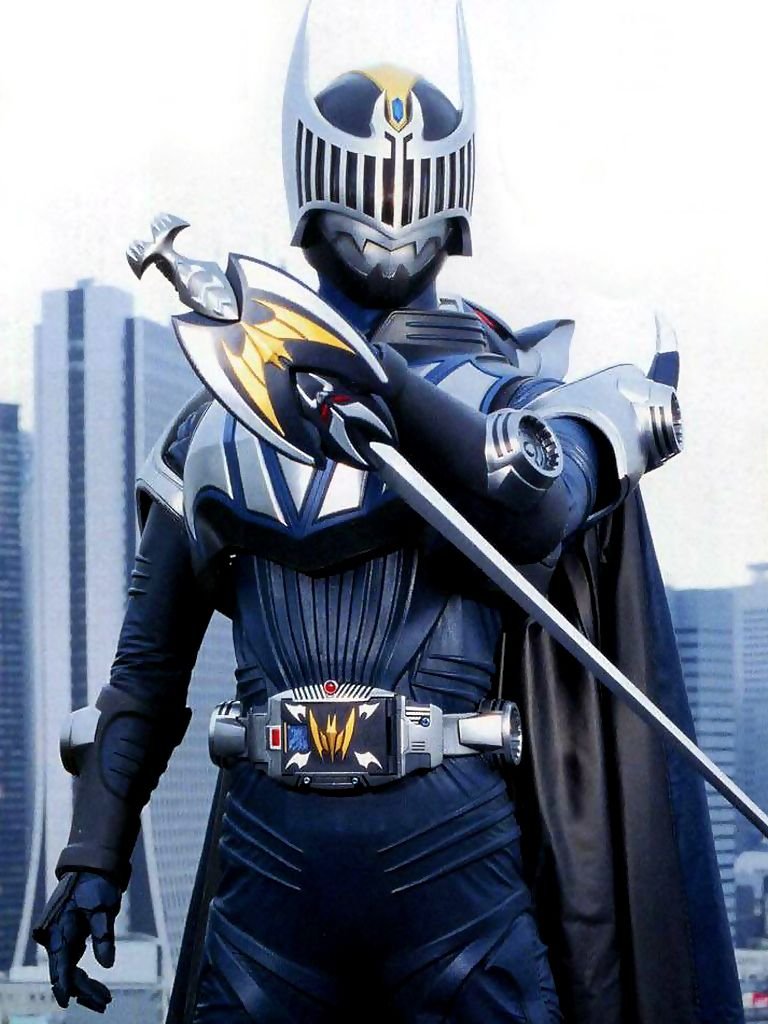
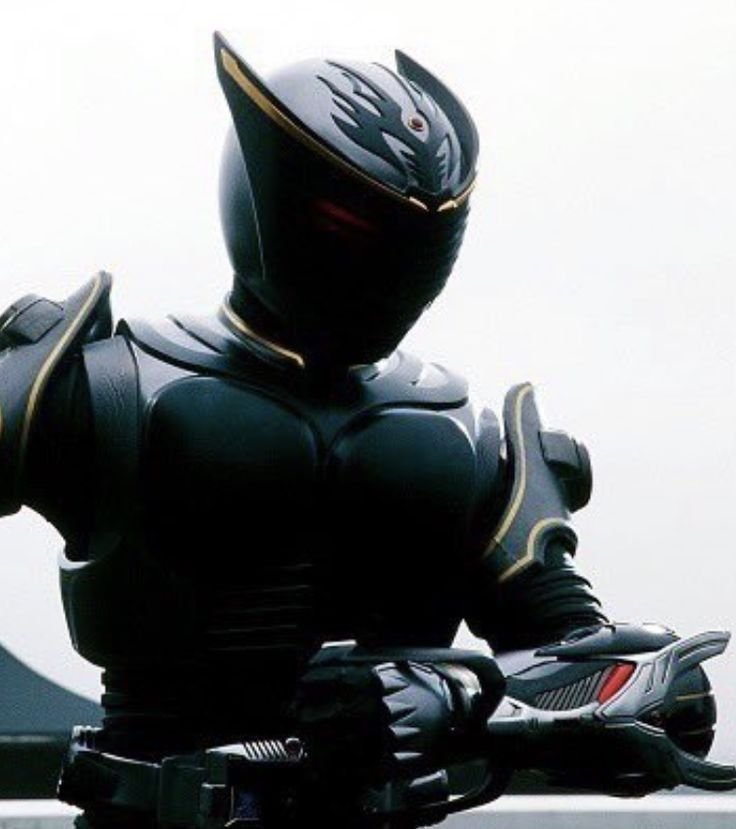
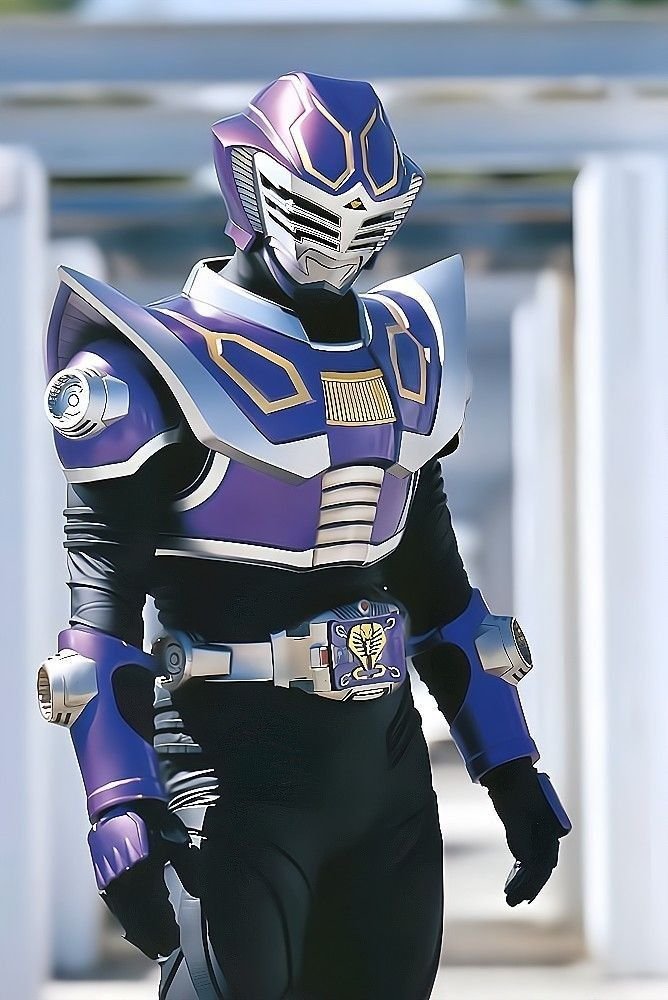
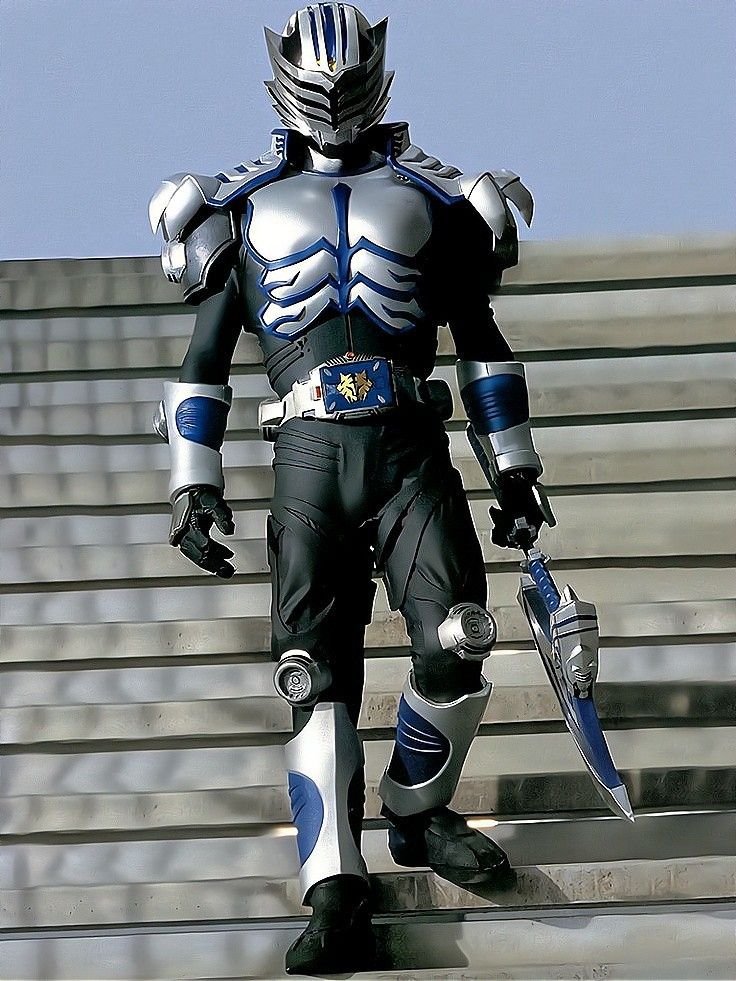
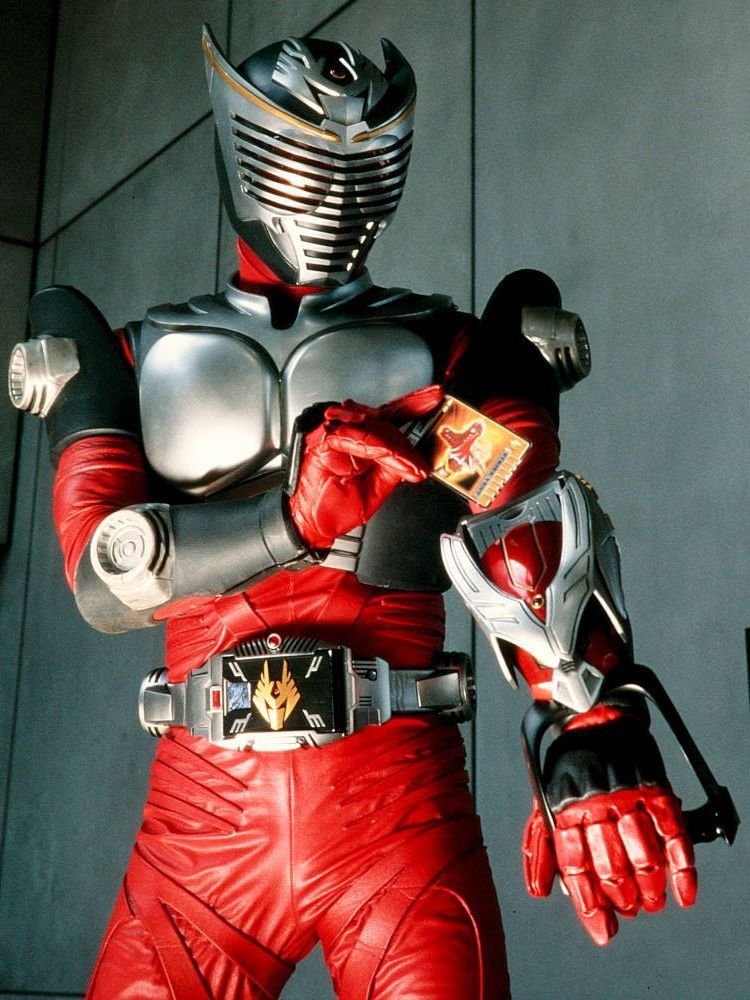
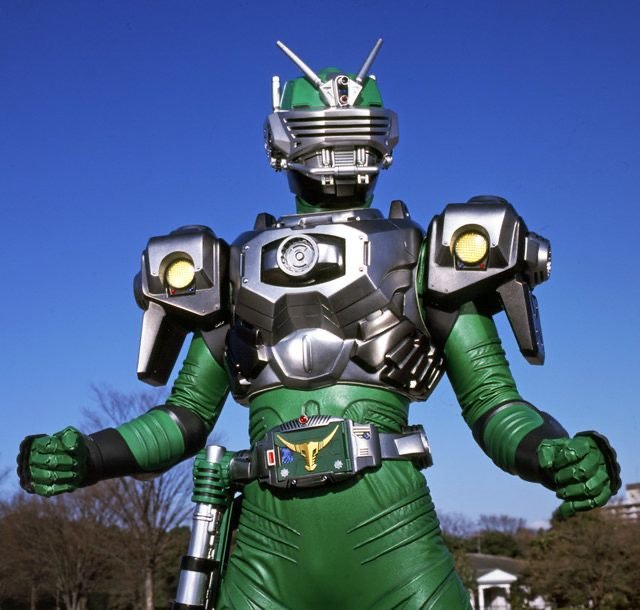
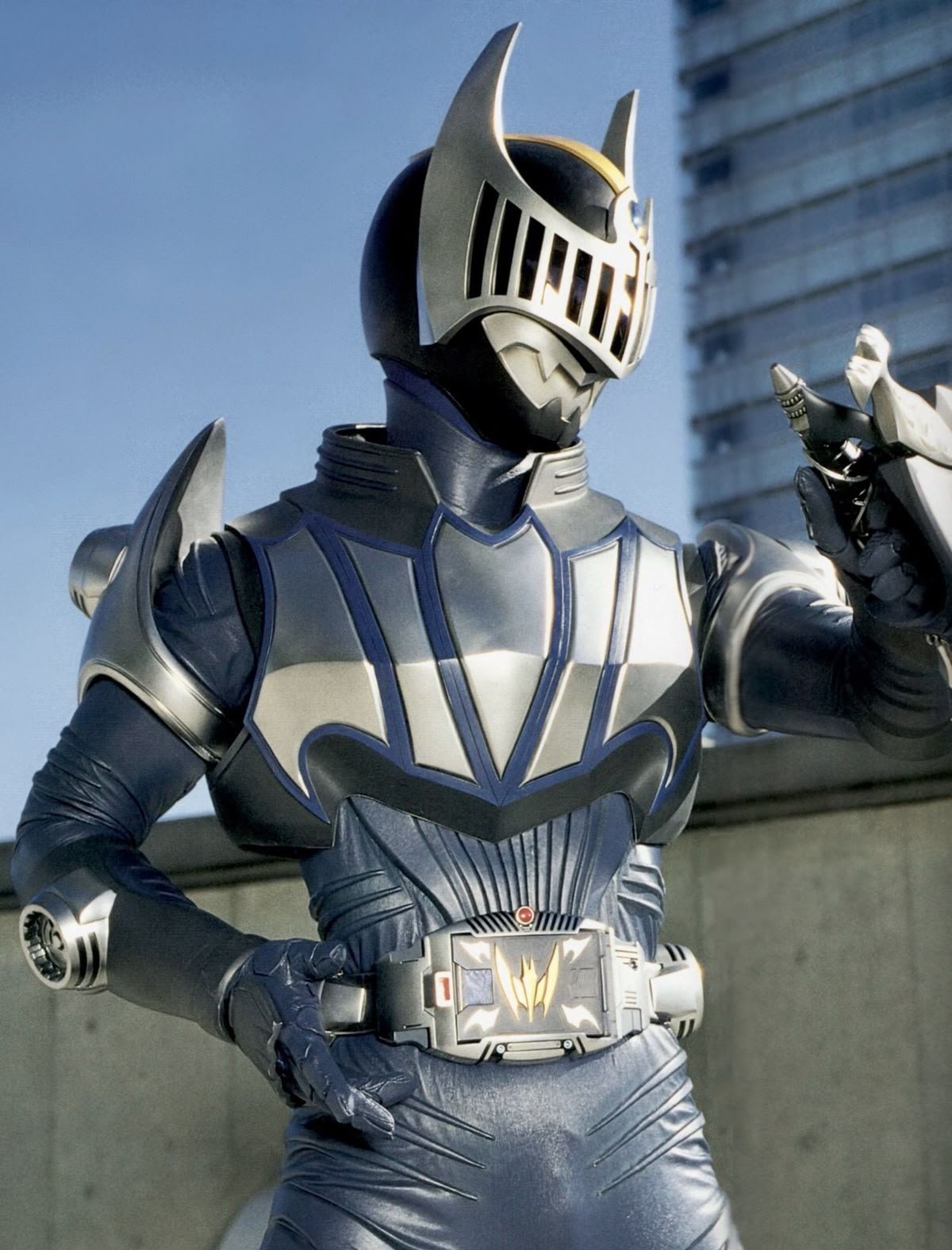
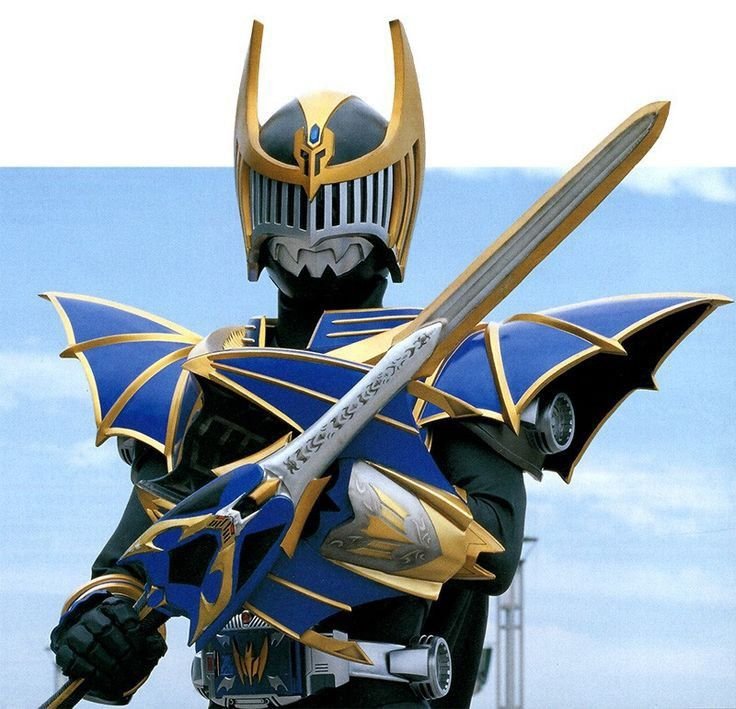
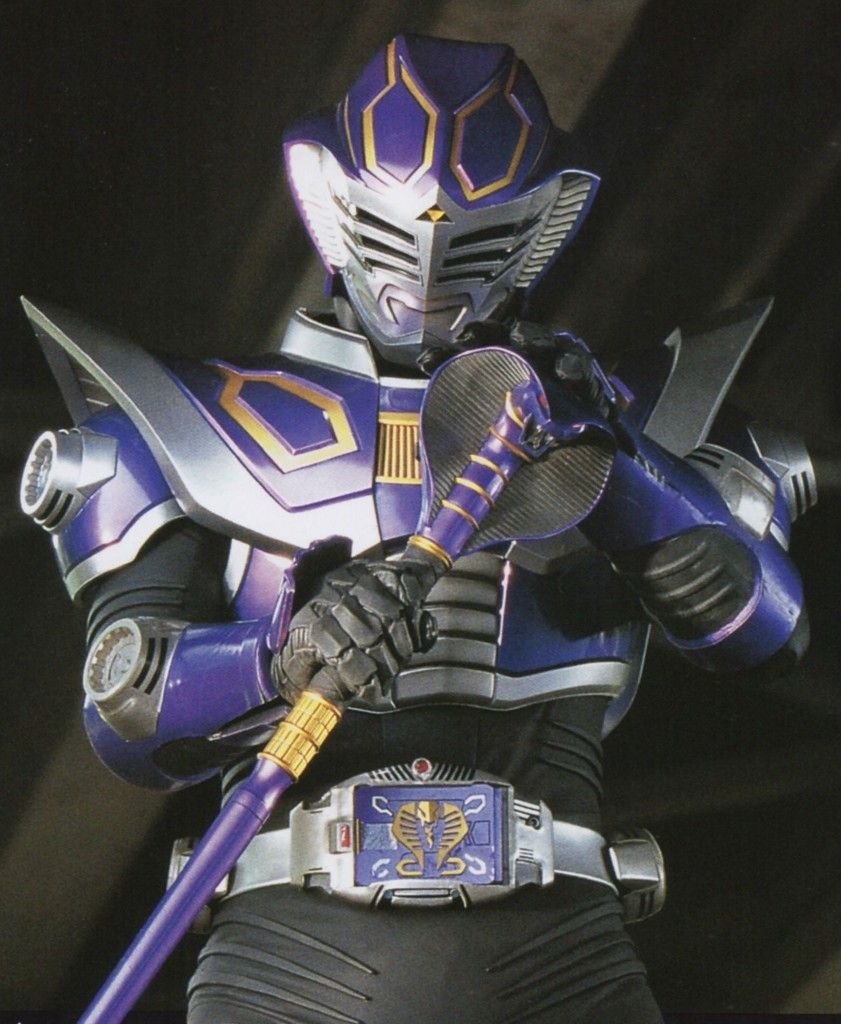
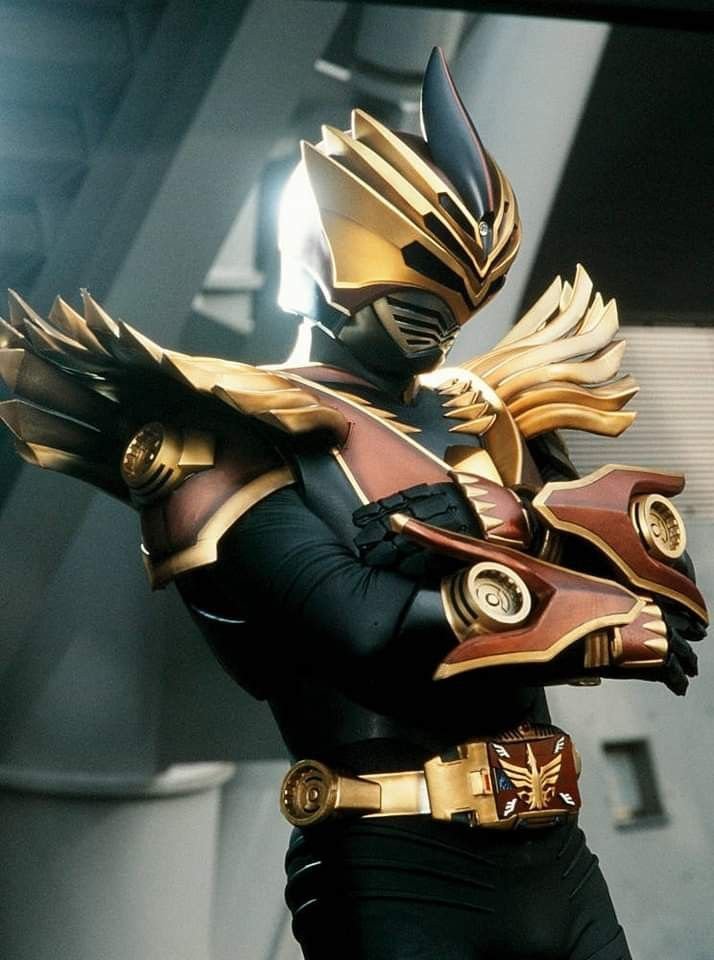
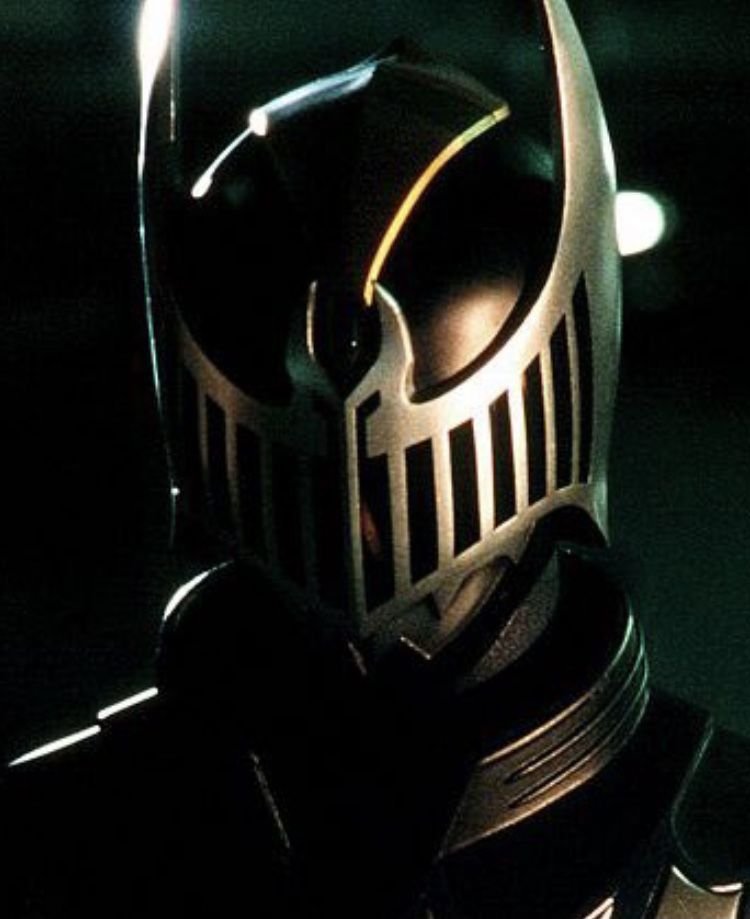
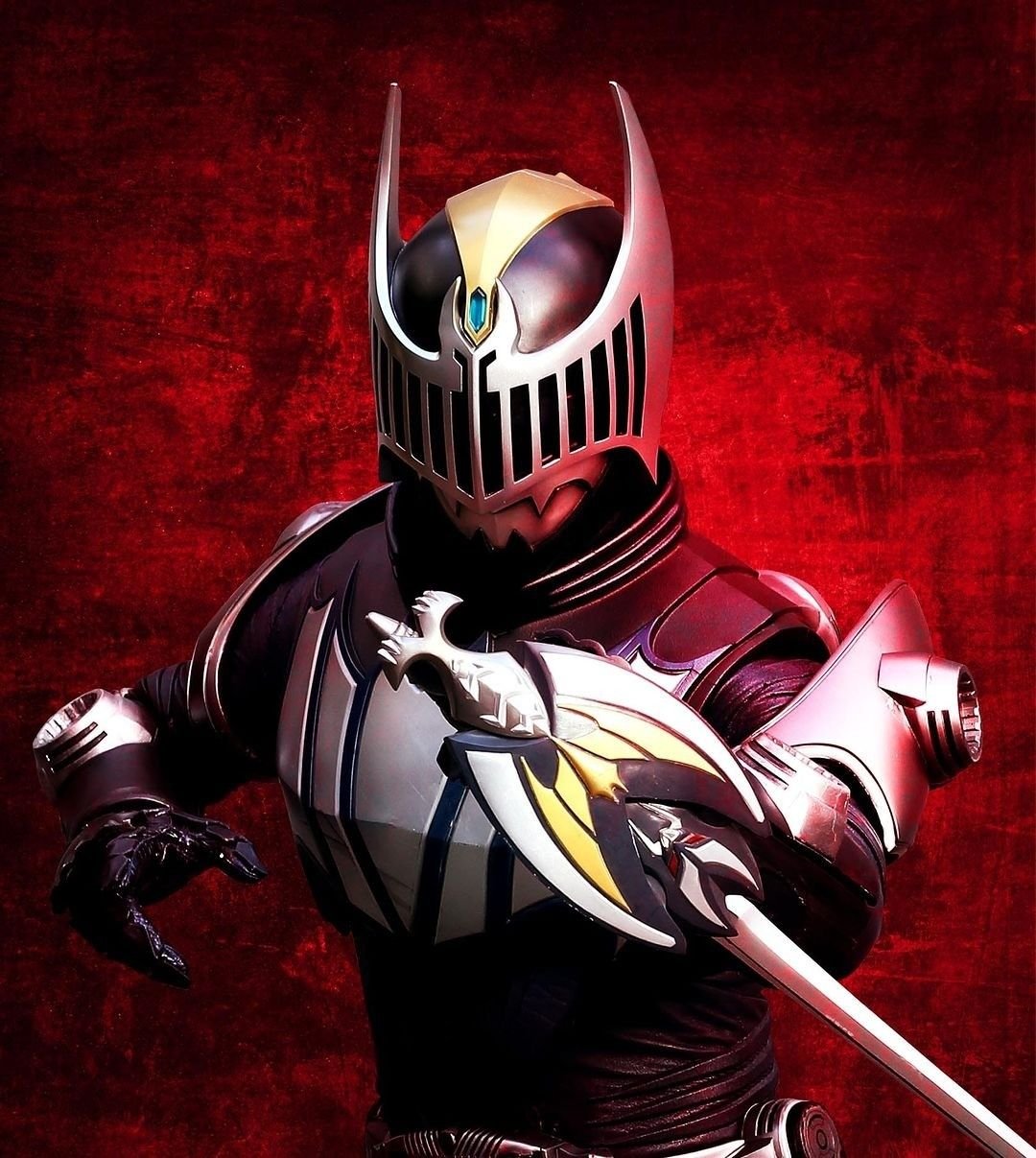
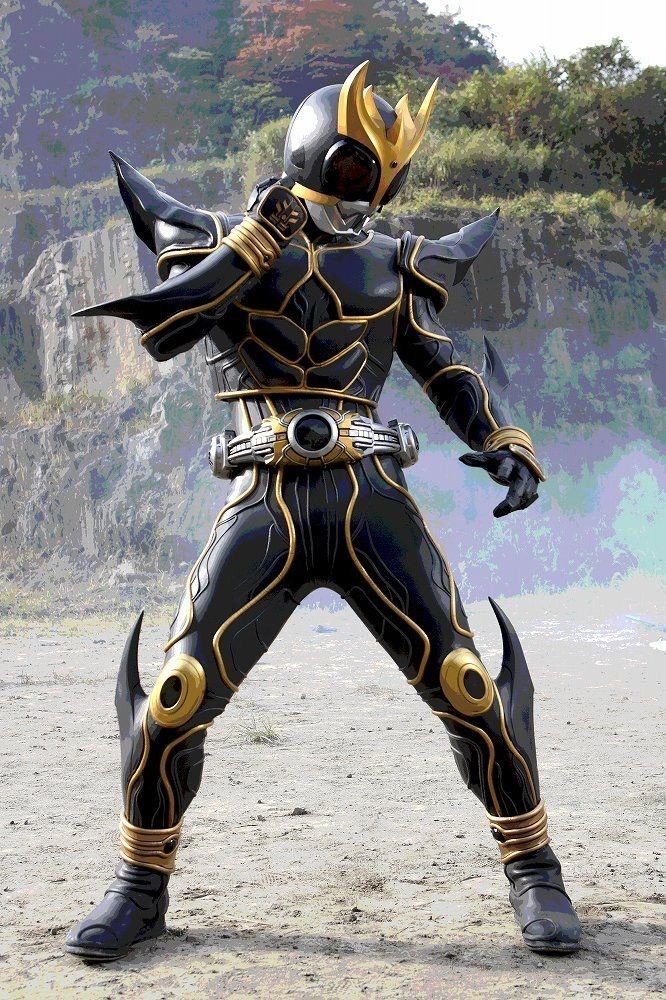
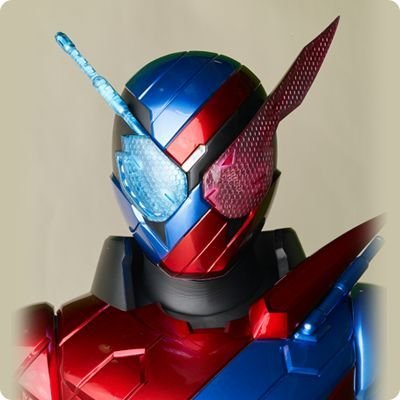
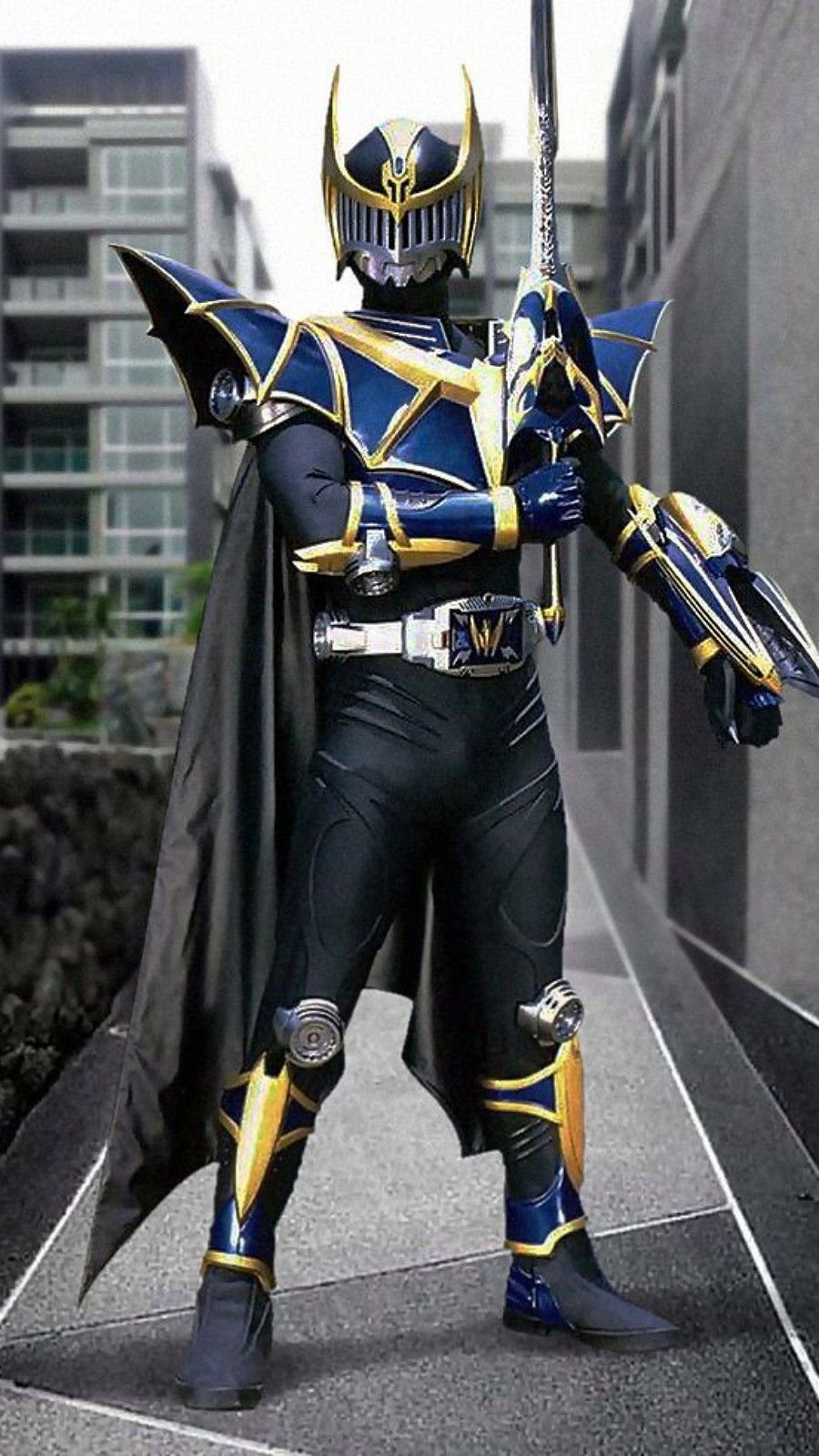
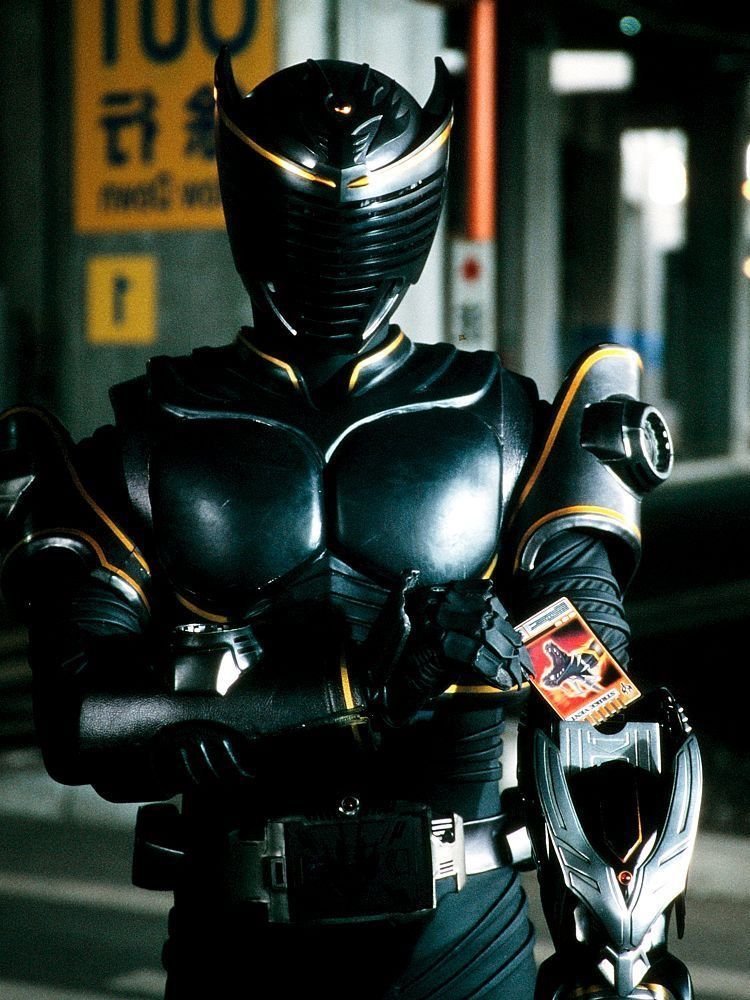
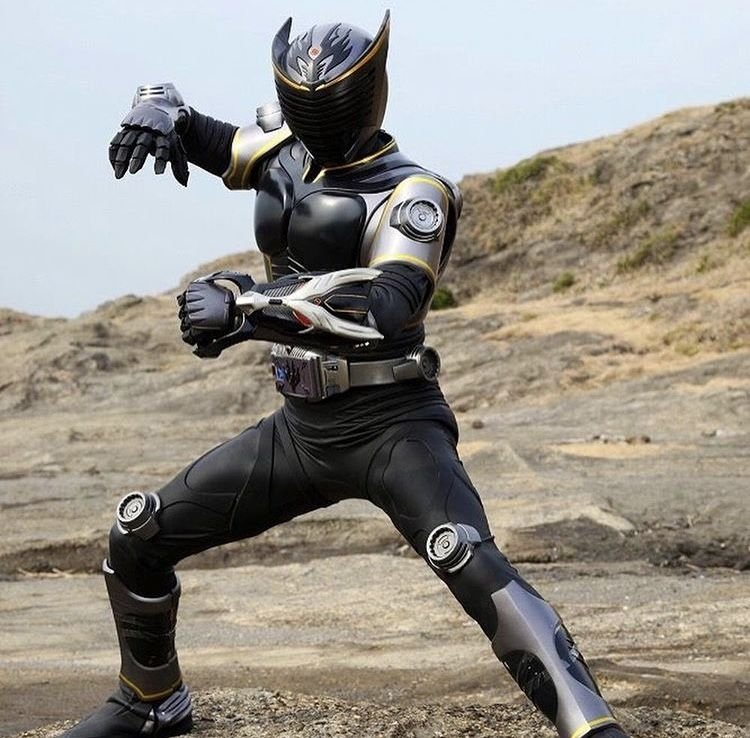
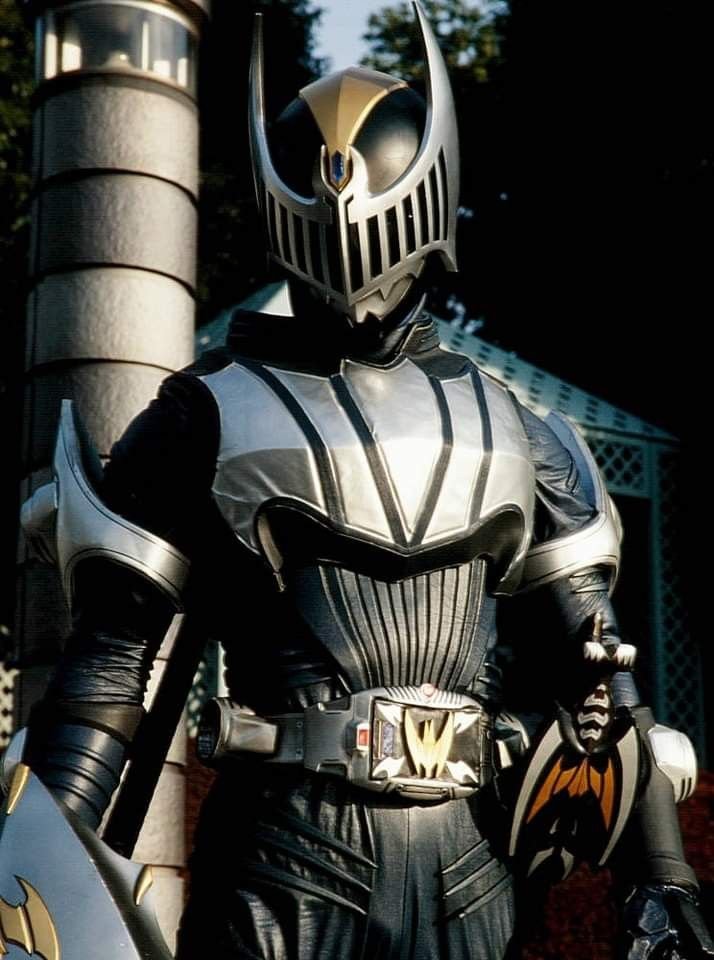
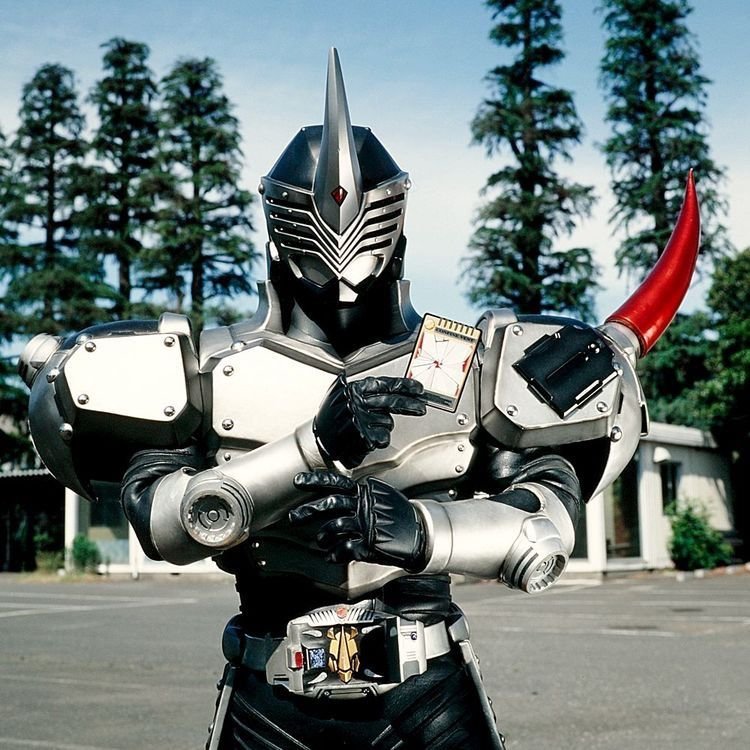
Browse the full gallery below — tap any image to view it full size, then save it as your profile picture.
Frequently Asked Questions
Which Kamen Rider era should I pick for a PFP?
Showa designs like Rider 1 and Black read classic and gritty. Heisei icons like Kuuga and W feel modern and character-driven. Reiwa suits like Zero-One look sharp and digital.
Why is Kamen Rider Black so popular as an avatar?
Its matte black suit and red visor create one of the highest-contrast silhouettes in the franchise. The red visor stays readable even heavily cropped, and the black suit sits perfectly on dark interfaces.
What makes Kamen Rider W good for matching PFPs?
Its split blue-and-orange design lets two people each take one half of the suit, creating a natural paired avatar set for duos and close friends.
Who created Kamen Rider?
Manga artist Shotaro Ishinomori created the franchise in 1971. The original followed Takeshi Hongo, a grasshopper-motif cyborg fighting the organization Shocker.
Do older Kamen Rider images work as modern avatars?
Yes. Showa-era suits have a grounded, sci-fi-horror tone, and editors lean into grain and desaturation, giving these PFPs a distinctive vintage edge.