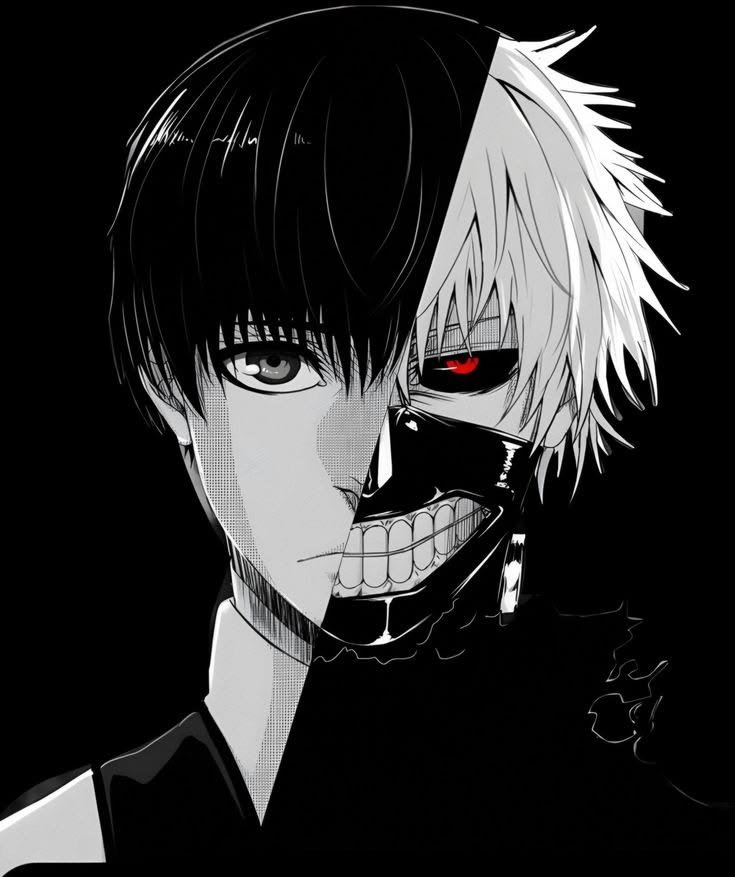
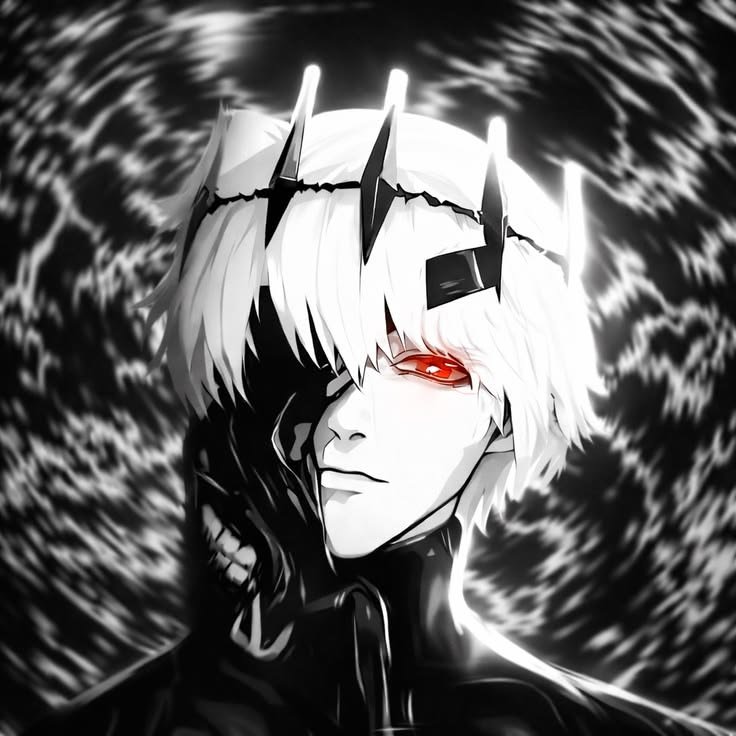
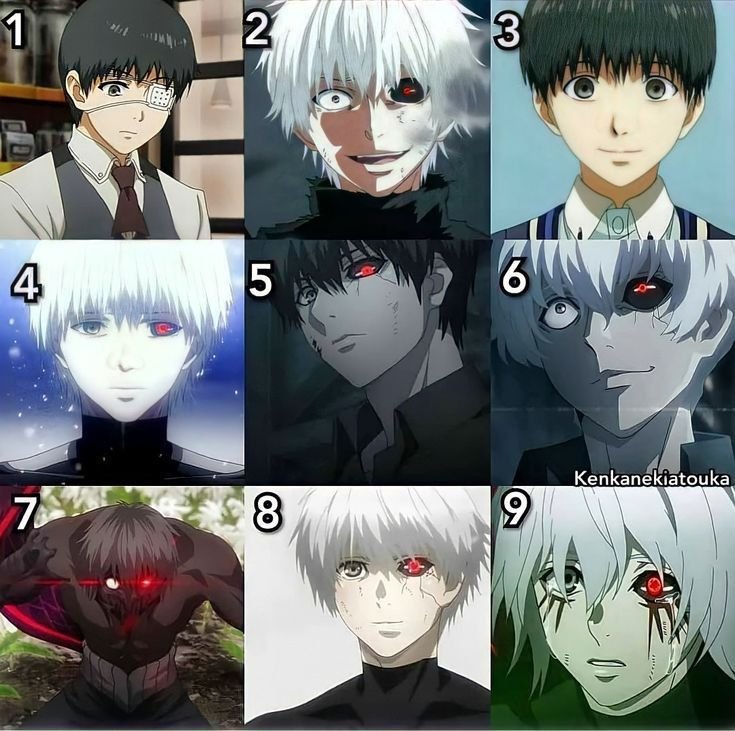
A Ken Kaneki PFP carries more identity signal than most anime avatars because Kaneki is not visually one character across Tokyo Ghoul. He is four or five distinct people wearing the same face, and fans who know the manga can read exactly which version you picked and what it says about you. Created by Sui Ishida, the series debuted as a manga in 2011 and became an anime in 2014. His change from a quiet literature student into a half-ghoul, then a masked fighter, then a memory-wiped investigator, gives this character a visual range genuinely uncommon in anime PFP culture.
Human Kaneki PFP: Before the Ghoul
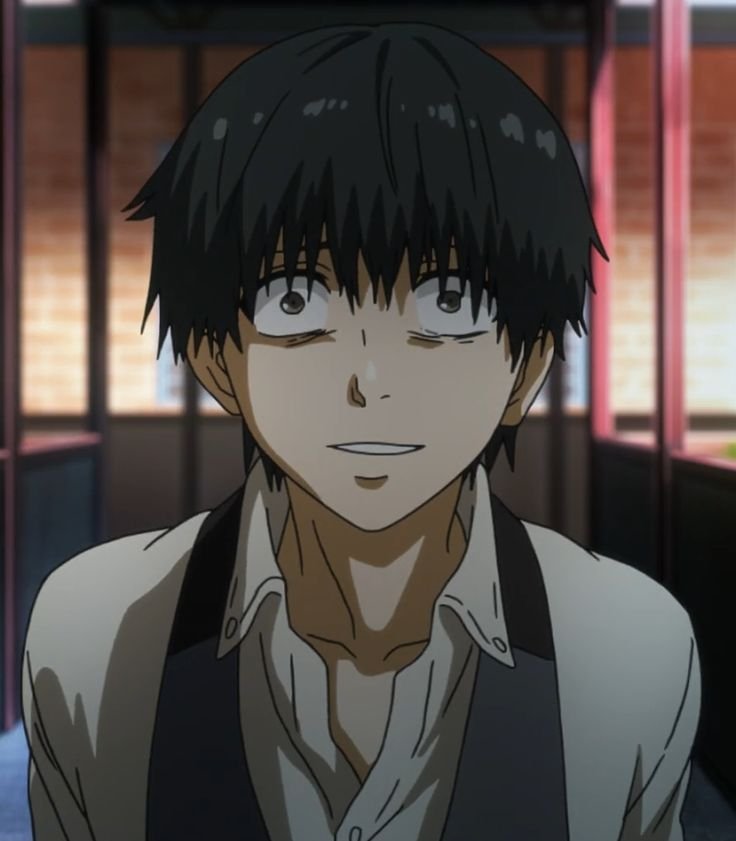
Before the surgery that changes everything, Kaneki is a bookish, soft-spoken literature student: black hair, glasses in some designs, an unassuming presence. This version suits fans who connect with the character's origins rather than his later darkness. The look is quiet and relatable, built on simple framing and soft expressions rather than dramatic horror imagery. It works well for users who want a Tokyo Ghoul PFP that feels human and understated.
Masked Kaneki PFP: The Centipede Era
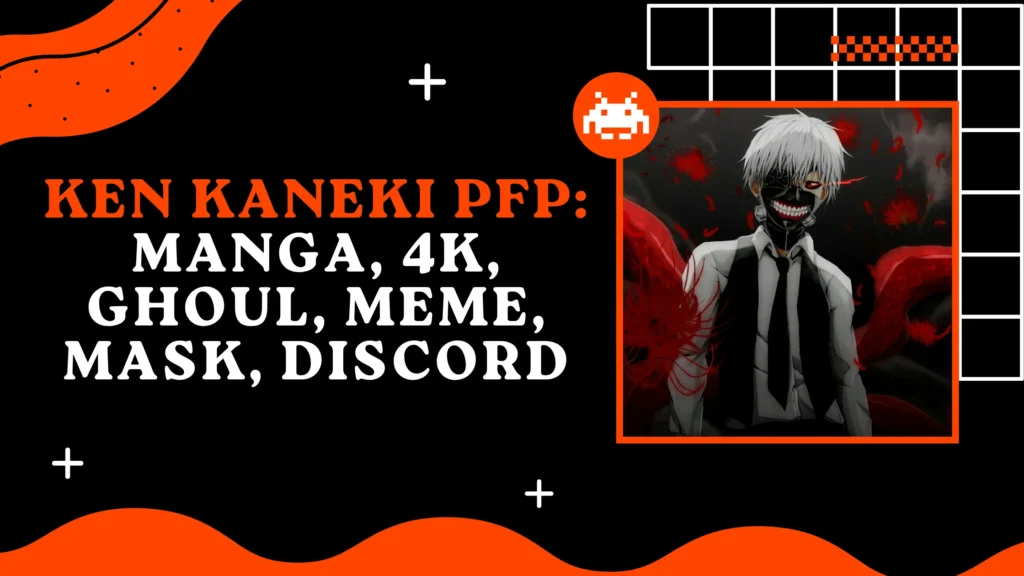
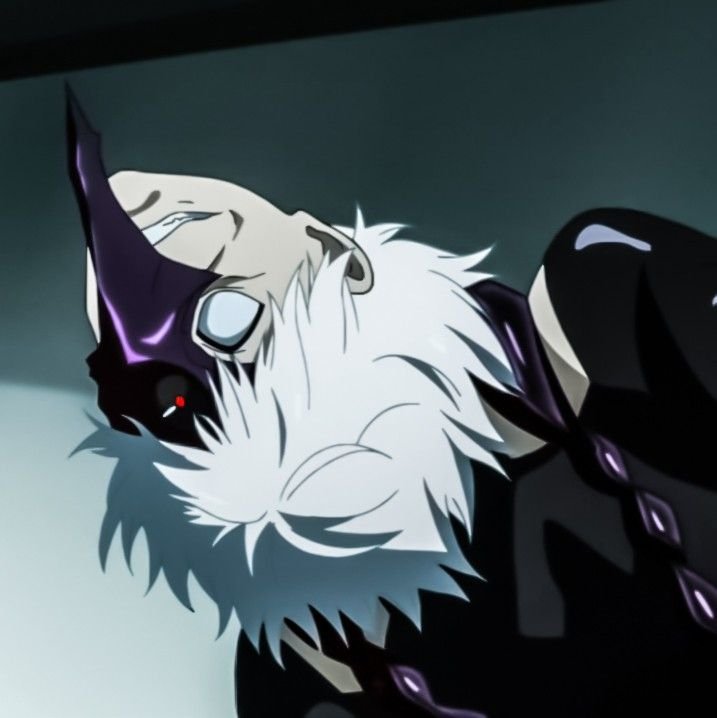
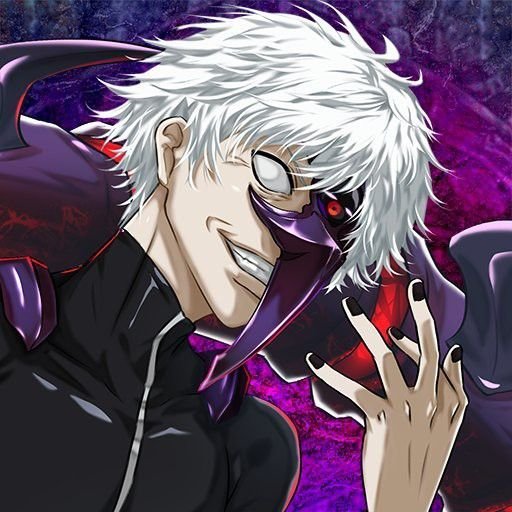
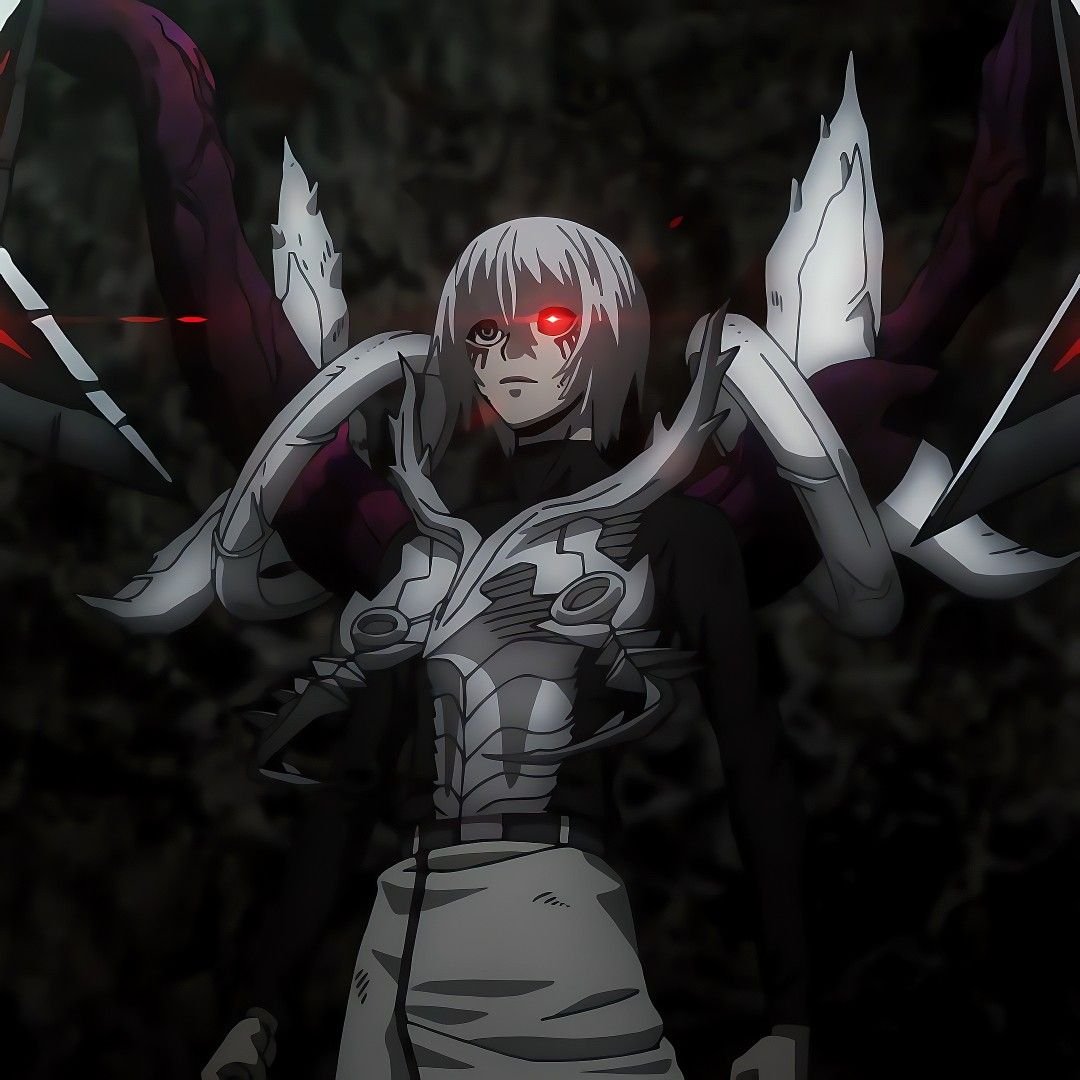
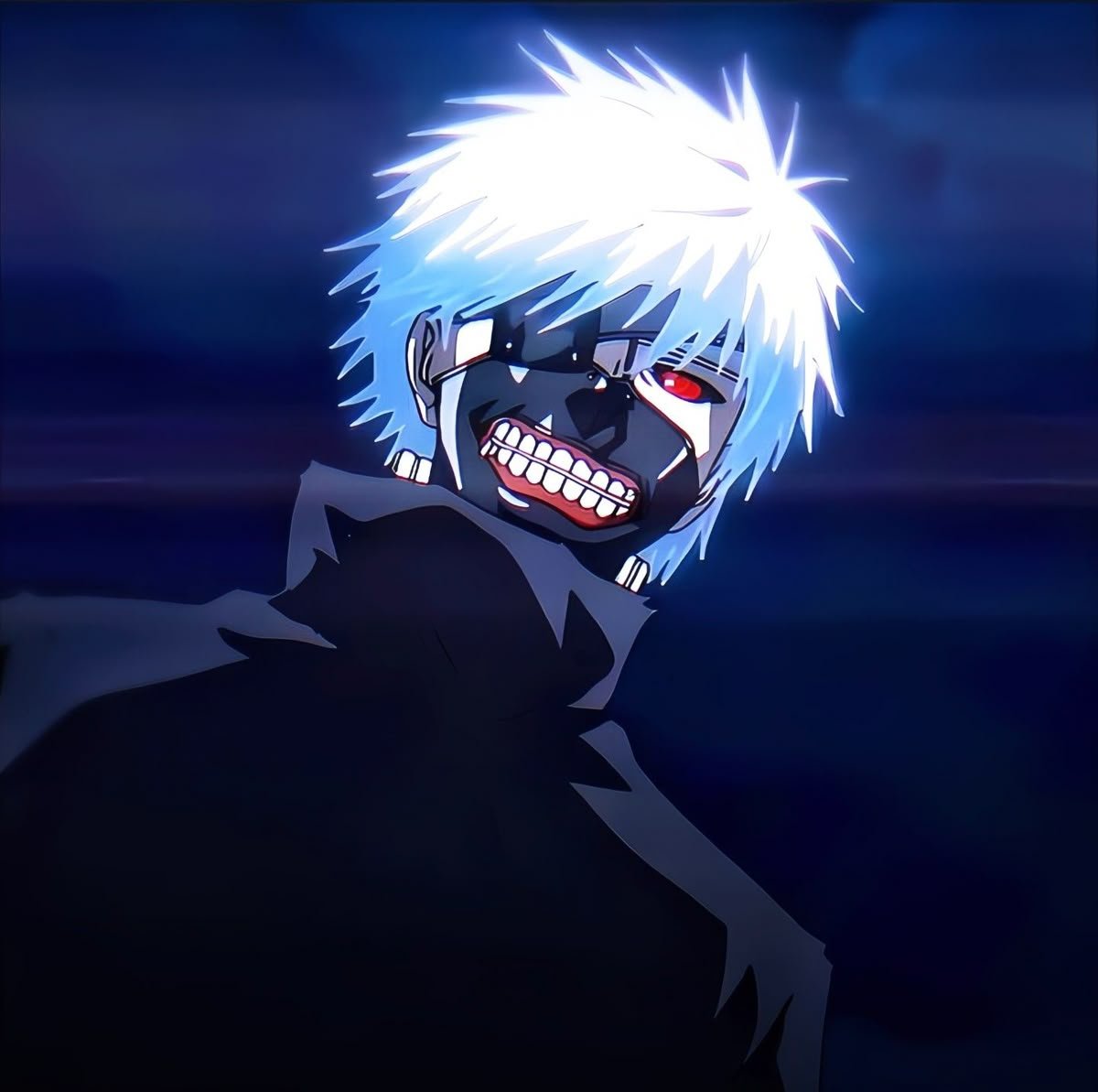
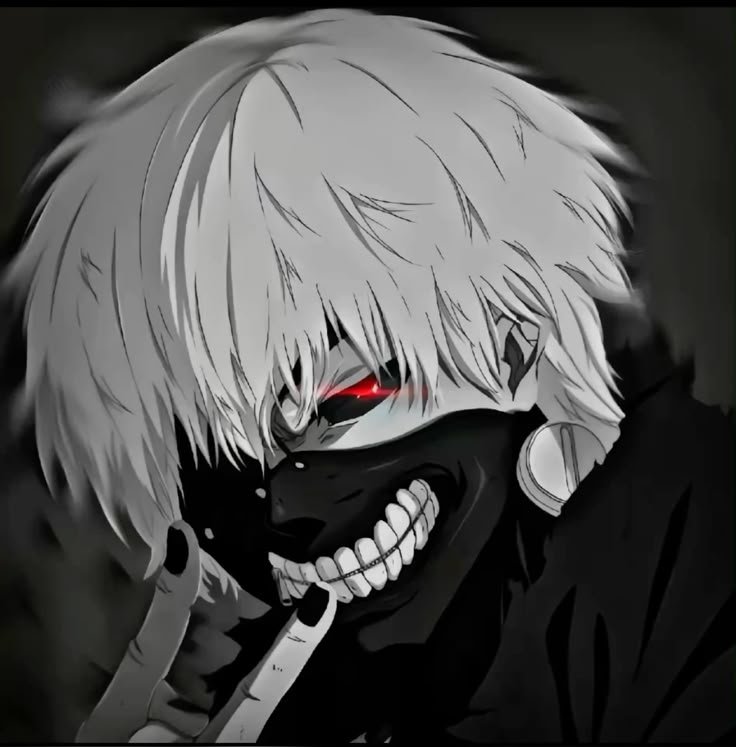
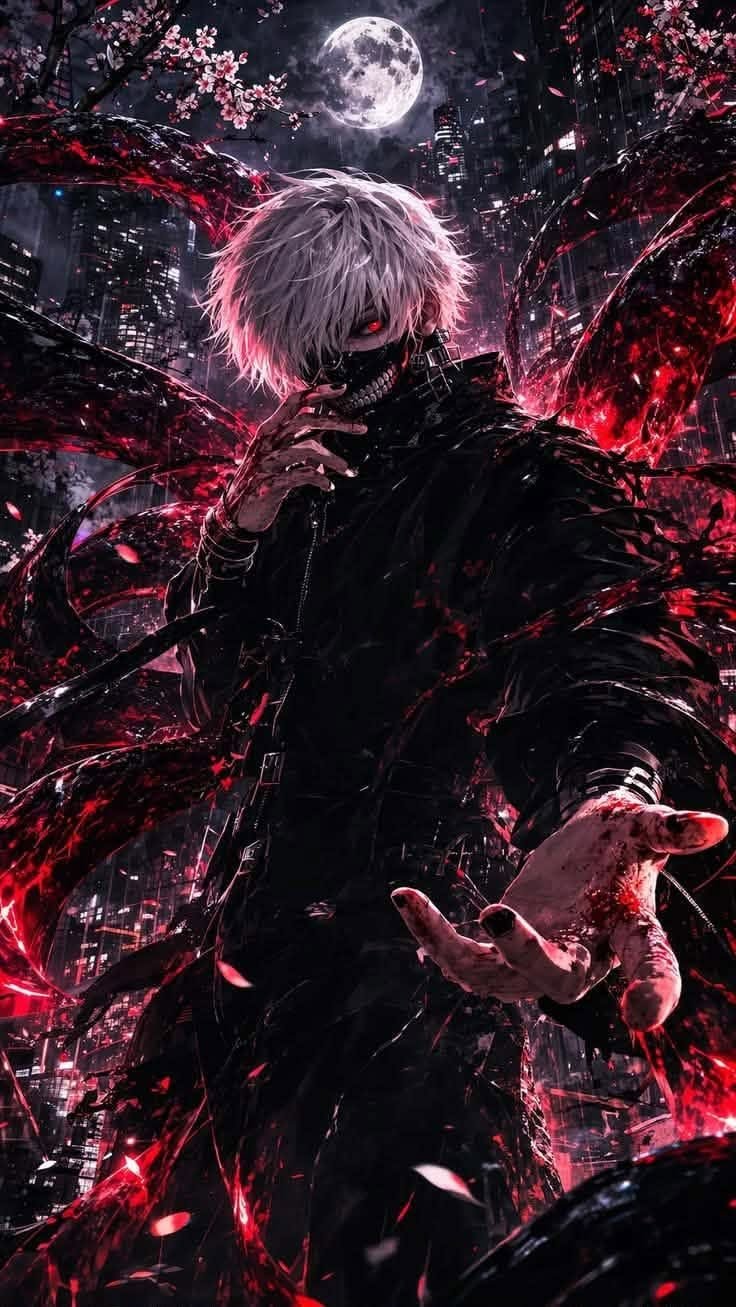
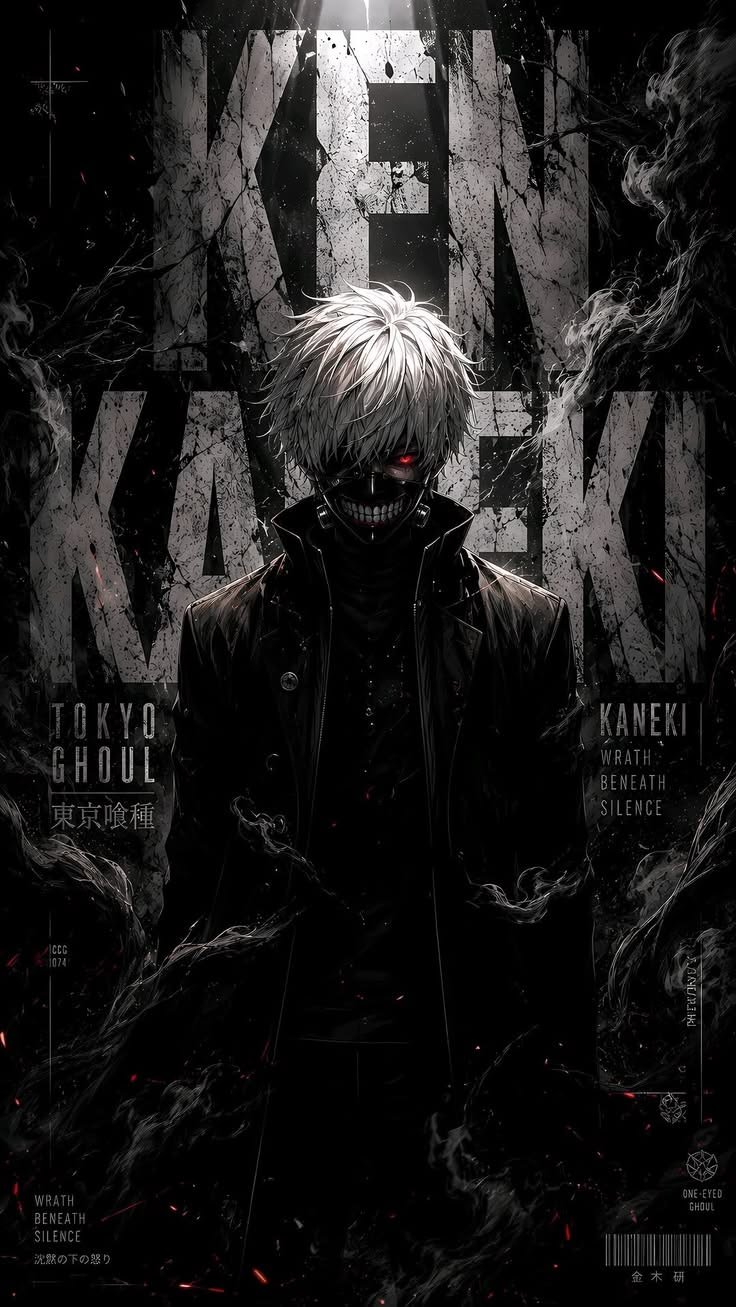
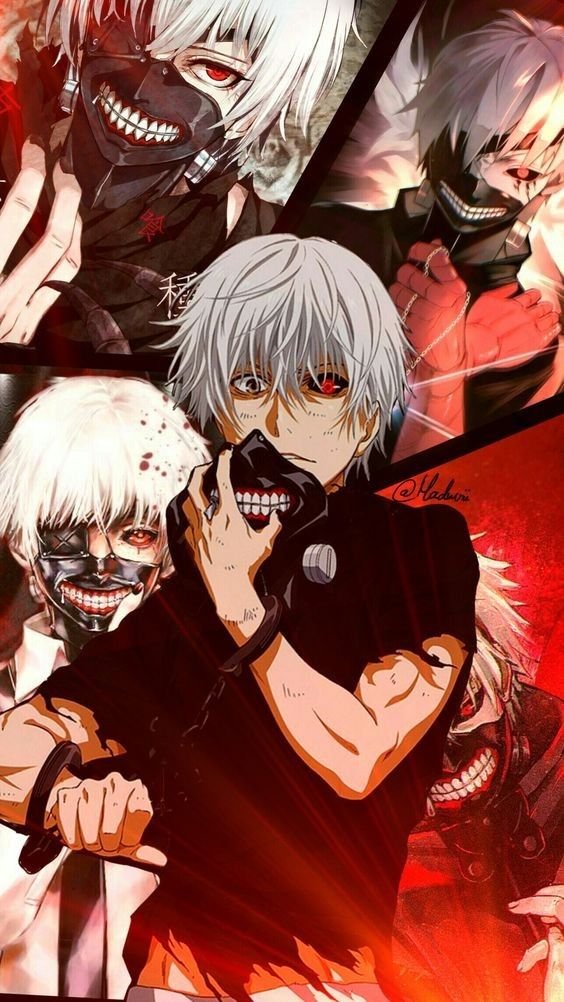
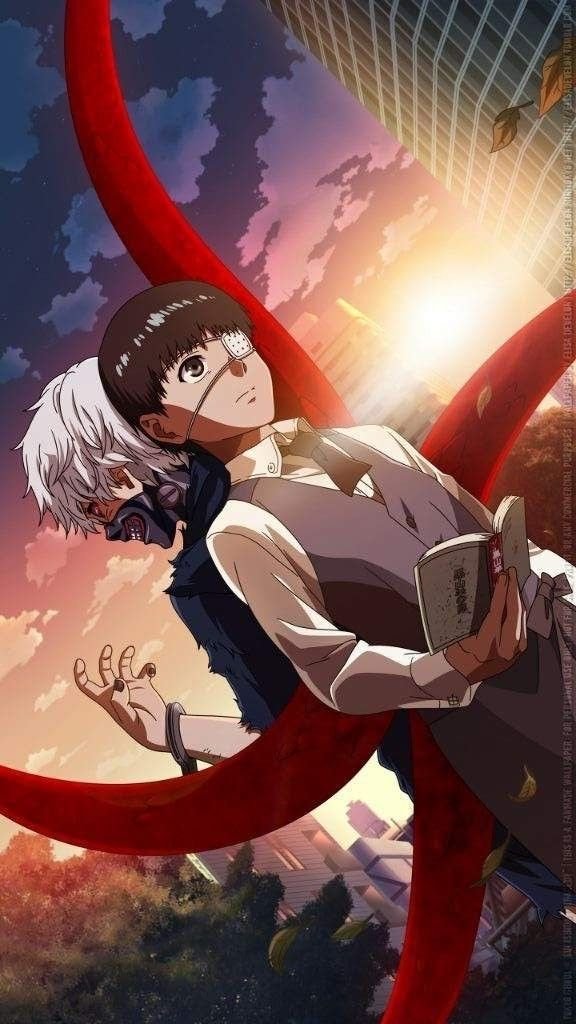
After his capture and torture by Aogiri Tree's Yamori, Kaneki adopts a black bodysuit and a distinctive mask: pale, beak-like, with a single exposed kakugan eye. That look earns him the alias Centipede among ghouls and the nickname Eyepatch Ghoul among CCG investigators. This is arguably the single most recognizable Kaneki silhouette in fan art and edit culture, since the mask alone identifies the character without needing his face visible at all. The kakuja form that follows pushes further into monstrous territory, with later designs adding wing-like structures and cross-shaped blade elements that fan artists isolate for high-impact PFPs. The palette trends toward black, deep red, and stark white contrast: the mask's pale surface against dark clothing and a blood-red kagune reads dramatically even at small avatar sizes.
White-Haired Kaneki PFP: The Breakdown Look
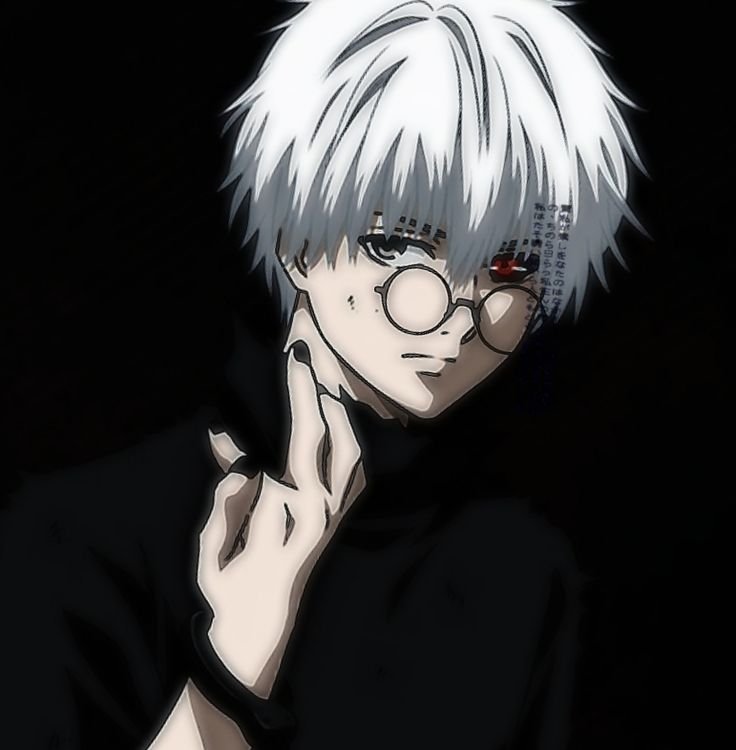
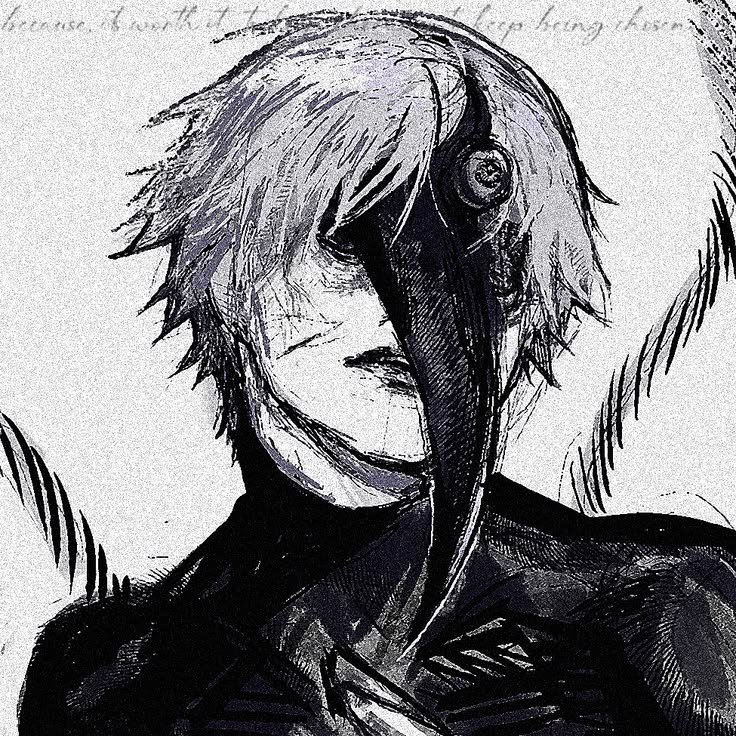
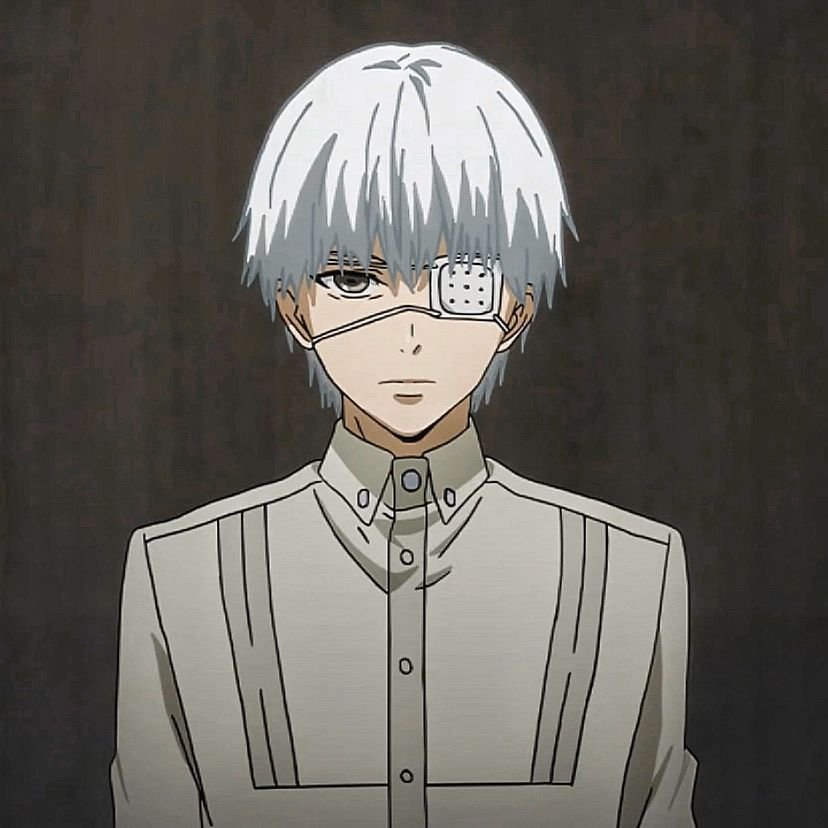
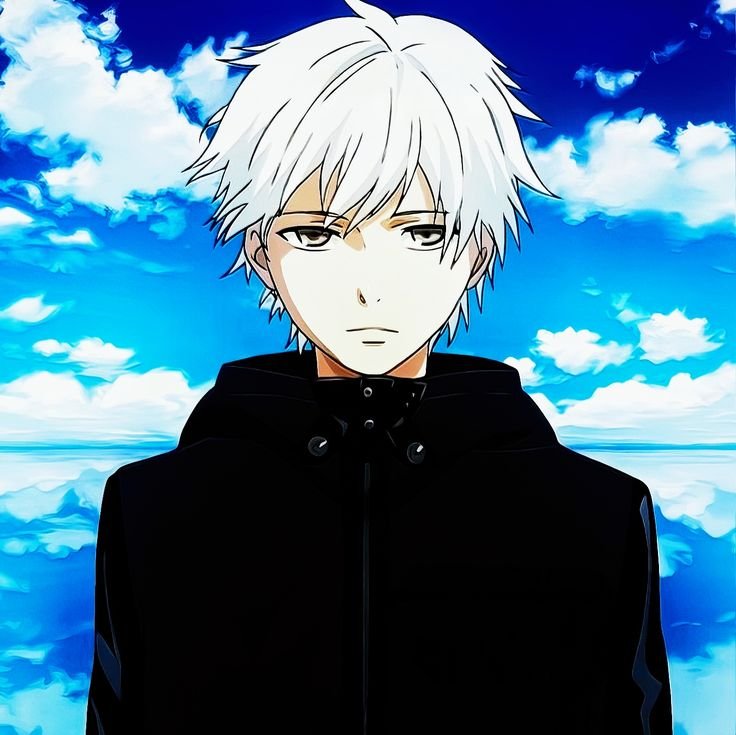
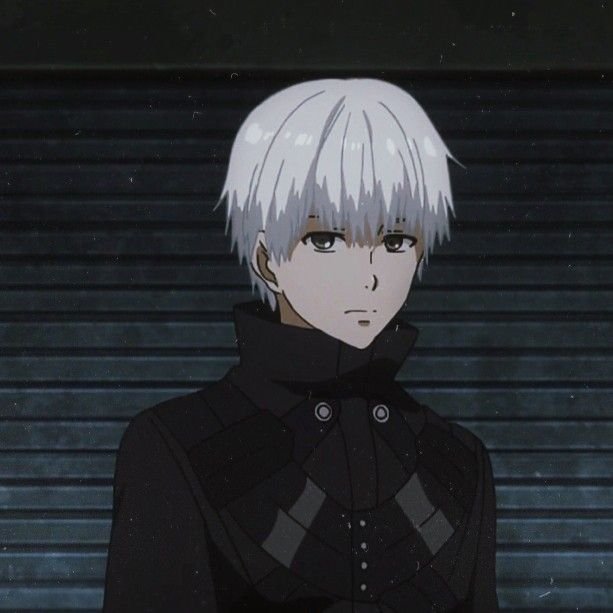
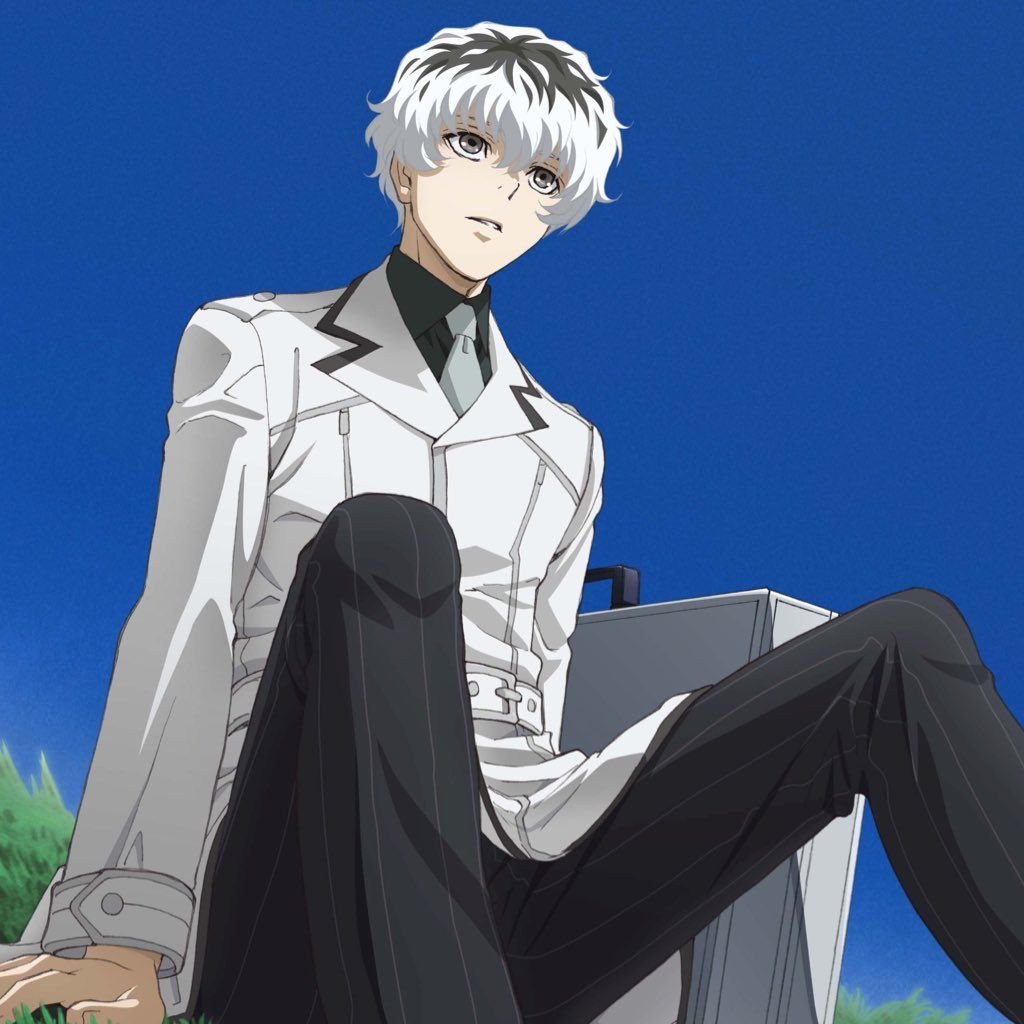
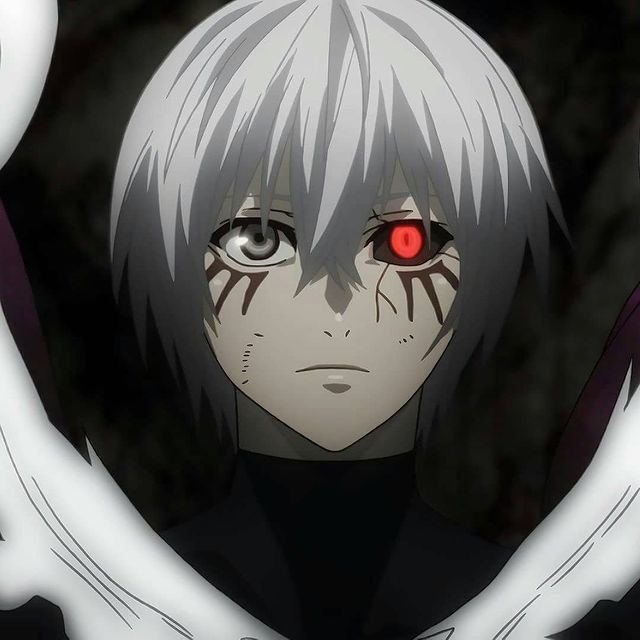
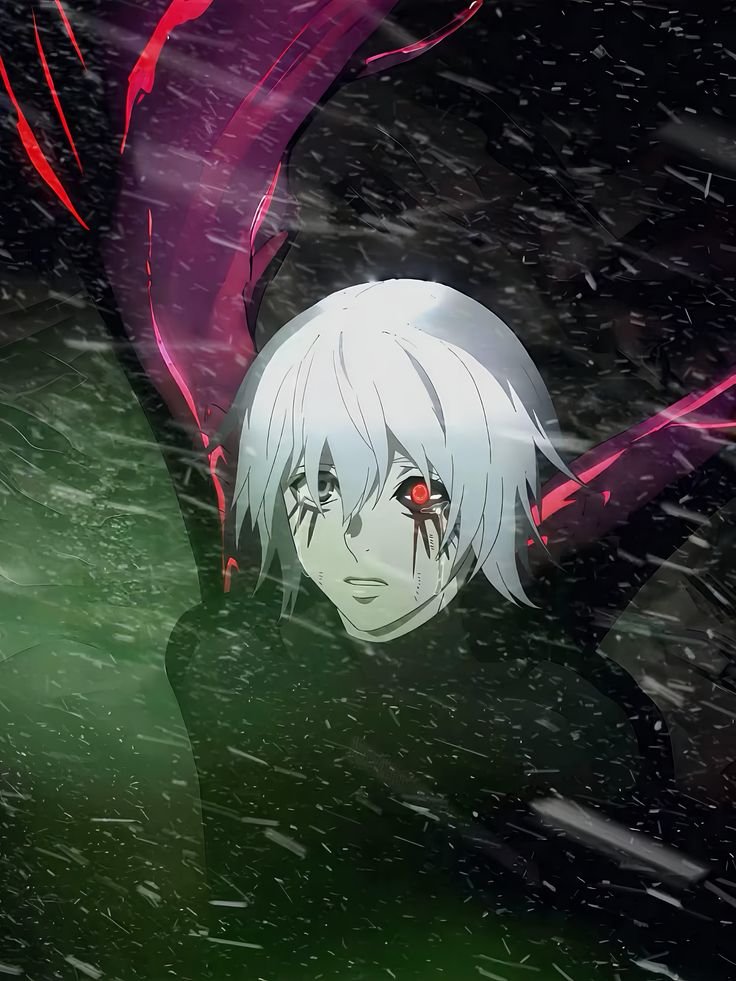
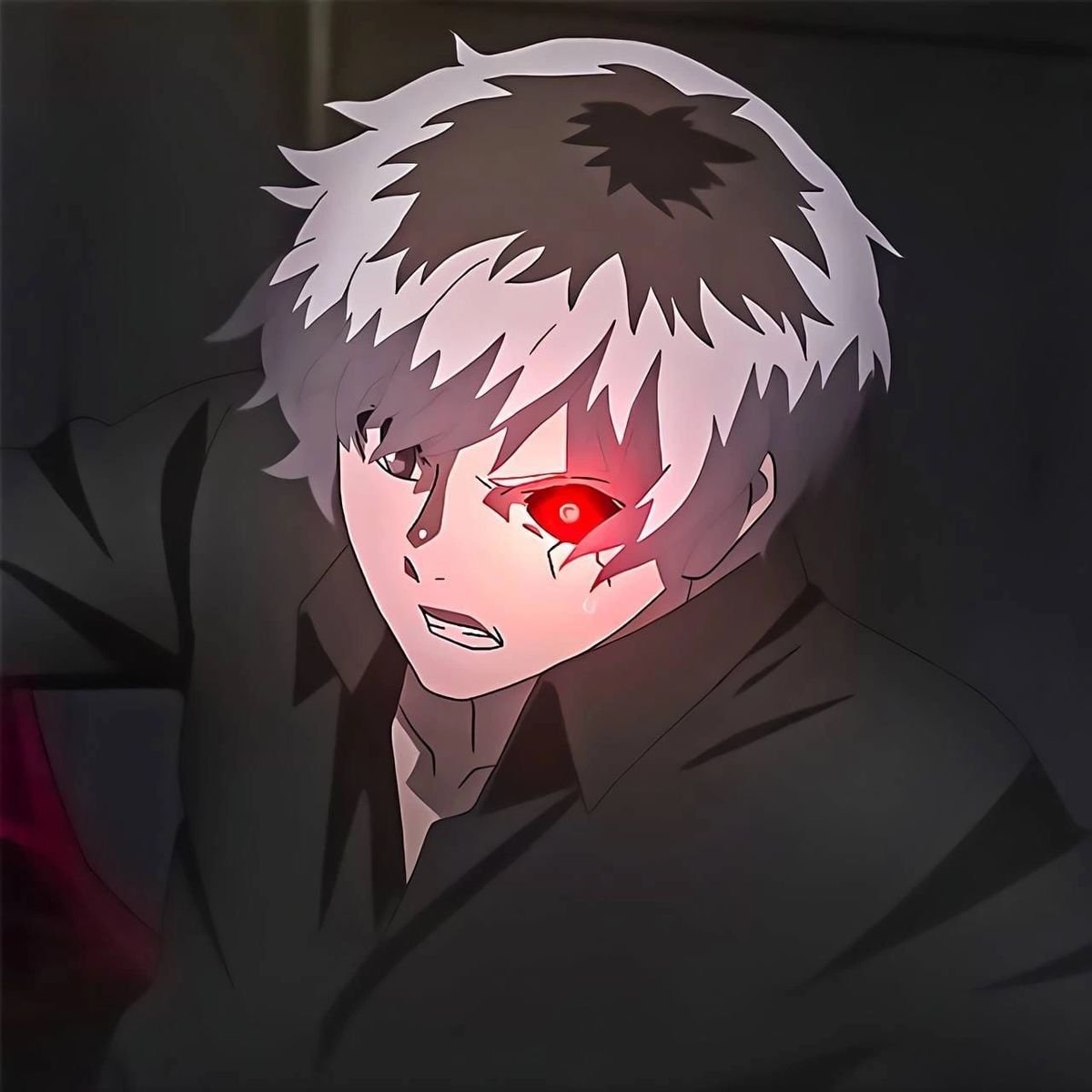
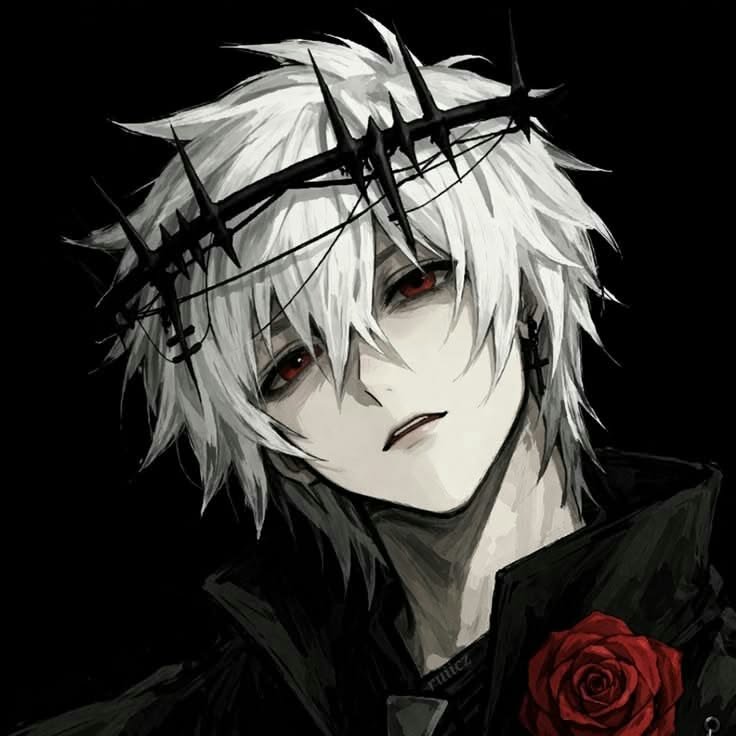
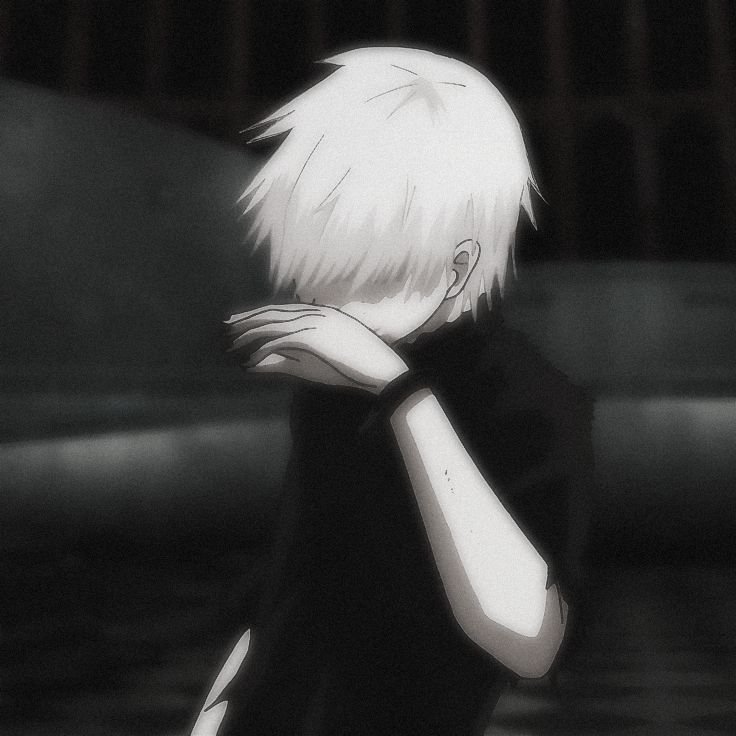
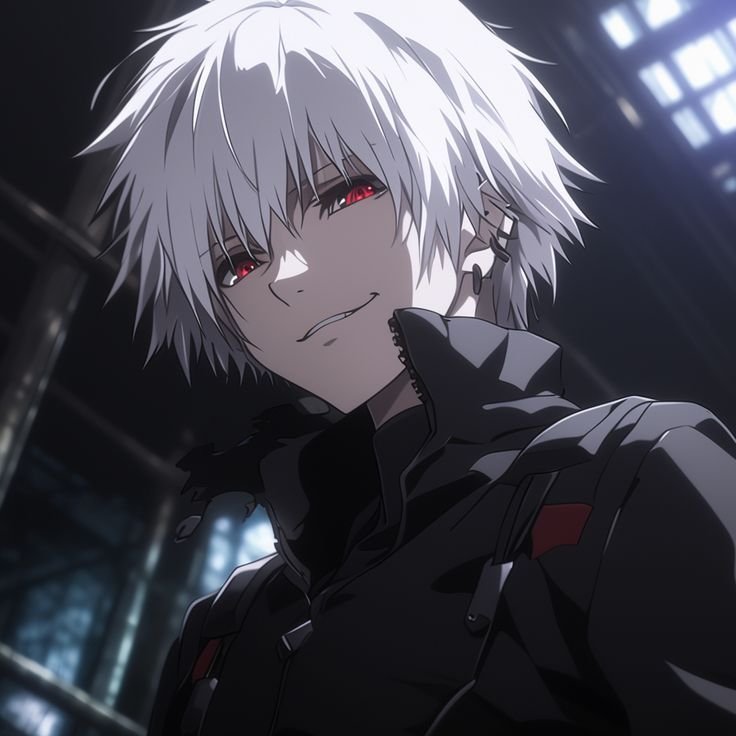
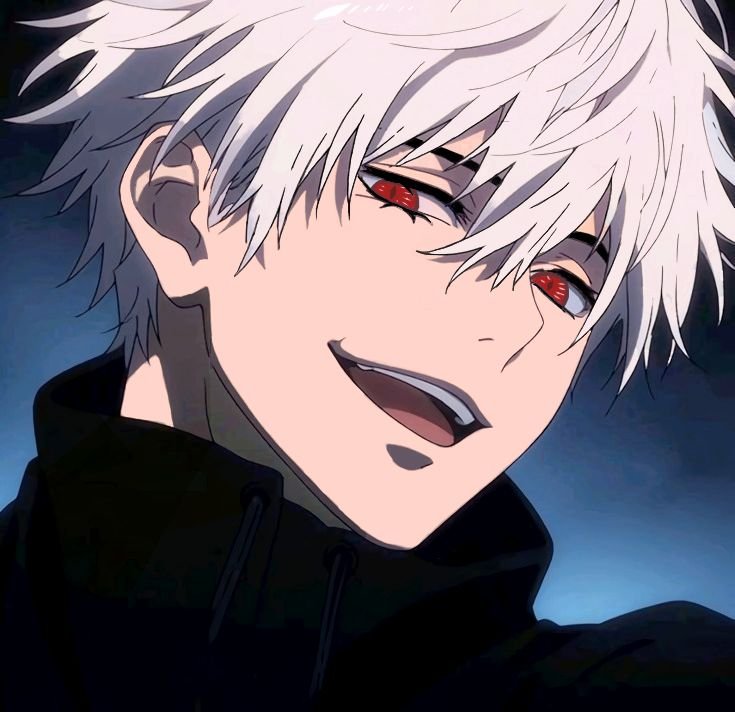
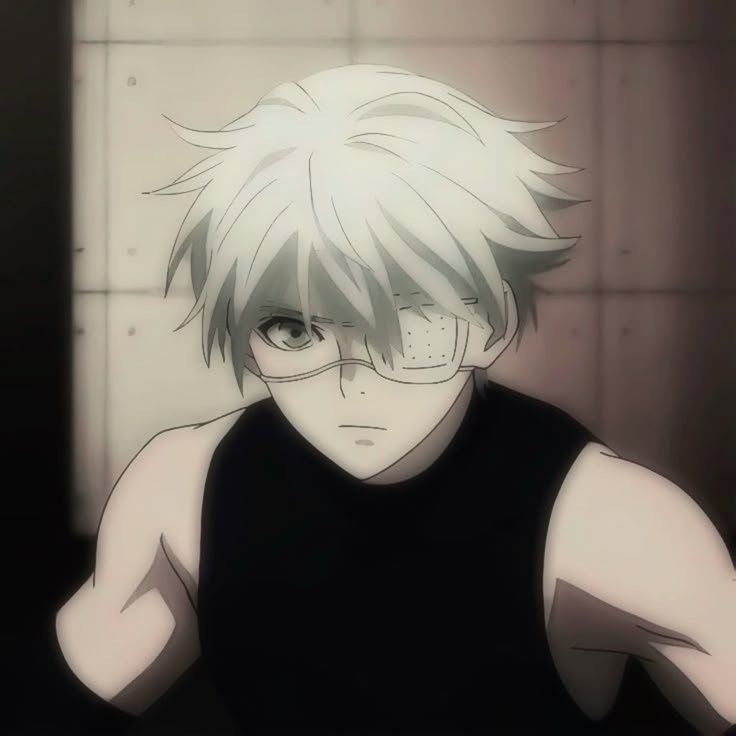
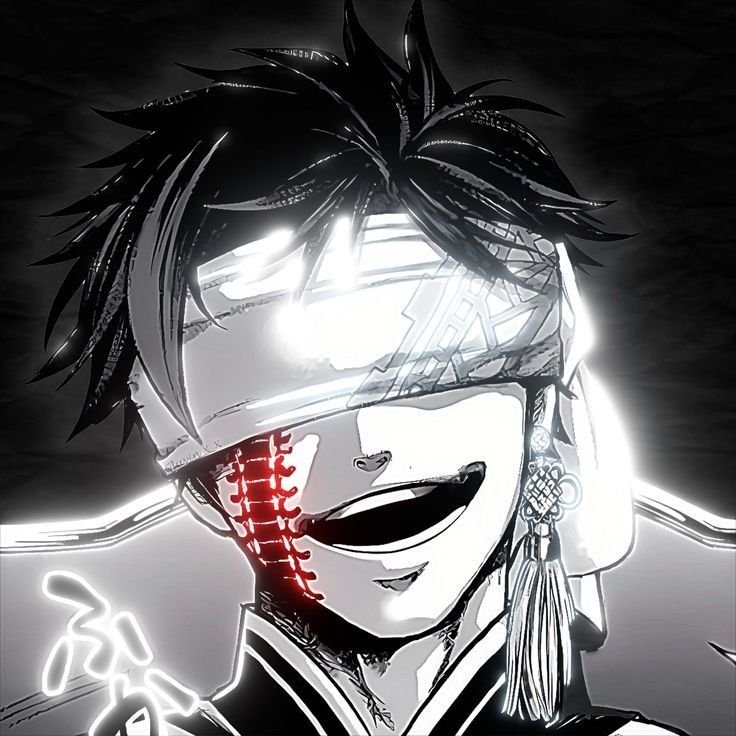
Kaneki's hair turning white after Yamori's torture is one of the most referenced visual beats in the entire series: a direct, permanent mark of the trauma that fractures his old identity and pushes him toward embracing his ghoul side. Ishida has tied the choice to a familiar trope in Japanese fiction where characters straddling two natures mark that duality through hair color, which gives this look more narrative weight than a simple style swap. This is the version most search demand treats as the iconic Kaneki: pale hair against a red or black kakugan eye, often paired with his eyepatch and a thousand-yard stare that reads as both broken and dangerous. Fan edits lean heavily on high contrast and desaturated backgrounds, letting the white hair do the visual work. Because this era spans some of the manga's most intense linework, it is also the most common source for manga-panel style PFPs rather than anime screenshots.
One-Eyed King Kaneki PFP: The Final Form
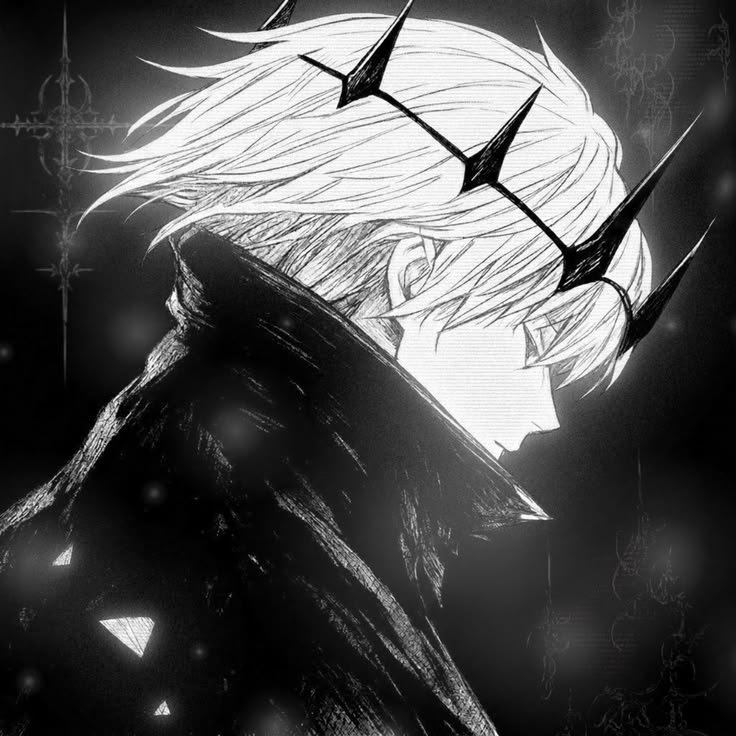
By the endgame of Tokyo Ghoul:re, Kaneki reclaims his identity fully and becomes known as the One-Eyed King, later taking a dragon-like form to save hostages during the Rushima operation. That is the most extreme and least PFP-friendly of his looks, since it reads as a kaiju rather than a character portrait. Post-dragon Kaneki, shown in the manga's final chapters, returns to a more human appearance that fans treat as his true resolution: scarred and matured, finally at peace rather than fractured. This late-series version gets meaningfully less PFP traffic than the white-haired or masked eras, but it suits fans who want the character's complete arc in one image.
More Ken Kaneki PFPs
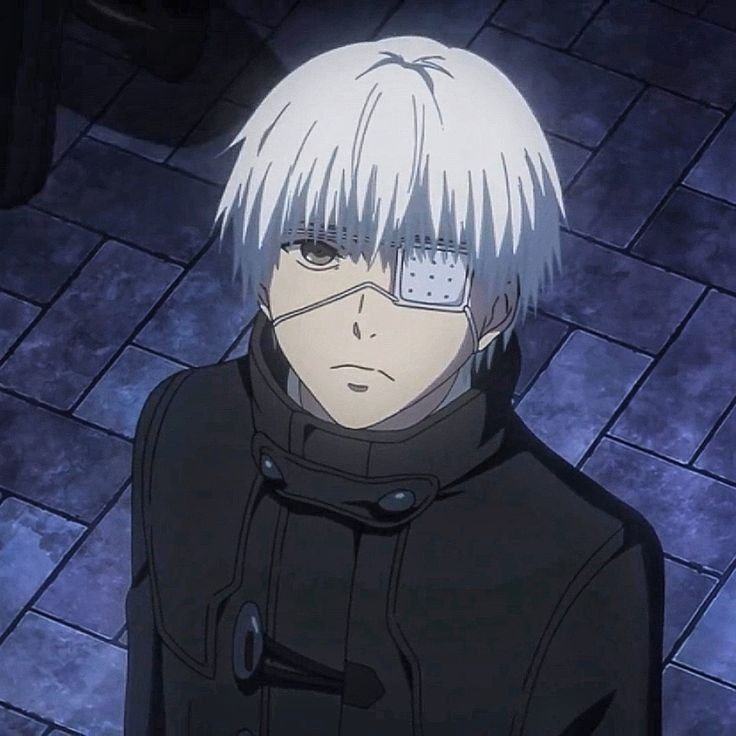
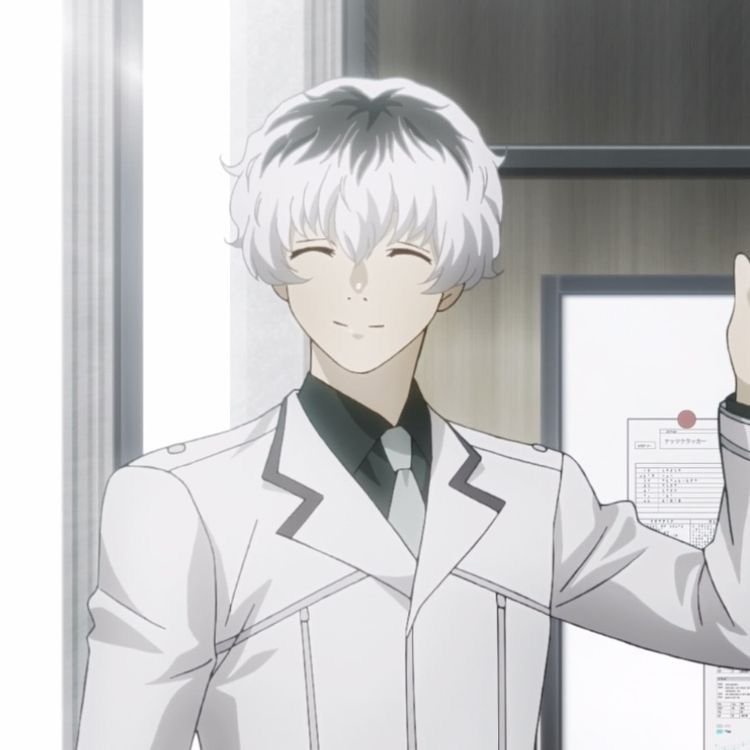
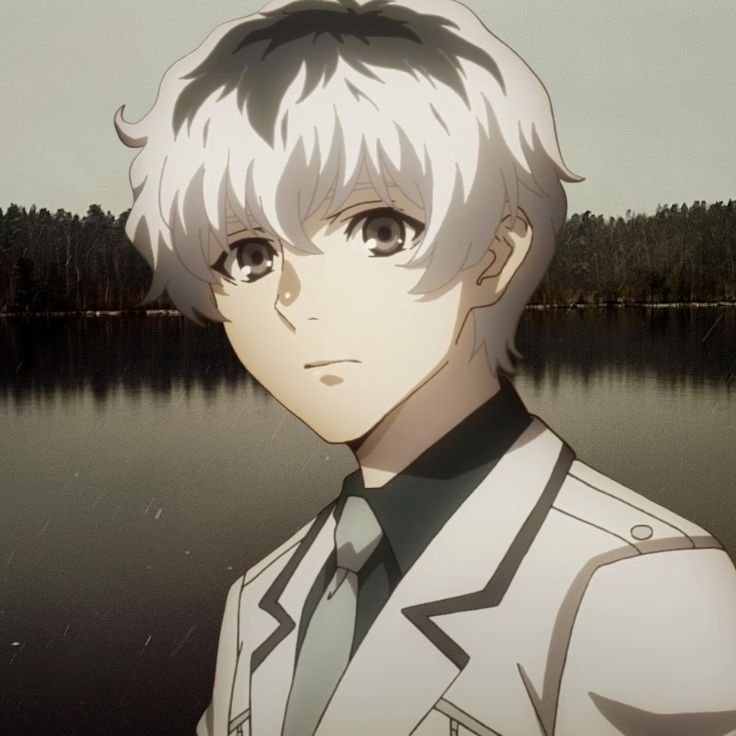
Browse the full gallery below — tap any image to view it full size, then save it as your profile picture.






Frequently Asked Questions
Which Ken Kaneki version makes the best PFP?
The masked Centipede era is the most recognizable: the pale beak-like mask identifies him without showing his face. The white-haired breakdown look is the most iconic overall.
Why is white-haired Kaneki so popular?
The white hair marks his breaking point after Yamori's torture, a permanent visual sign of his fractured identity. High-contrast edits let the pale hair carry the whole image.
What is the Centipede mask?
The pale, beak-like mask Kaneki wears after his torture, with a single exposed kakugan eye. Ghouls call him Centipede for it; CCG investigators call him the Eyepatch Ghoul.
Who created Tokyo Ghoul?
Sui Ishida. The manga debuted in 2011 and became an anime in 2014, following Kaneki's change from literature student to half-ghoul.
Do manga-panel Kaneki PFPs work well?
Yes, especially for the white-haired era. Ishida's raw pen work during the torture arc carries heavy emotional weight that suits high-contrast monochrome edits.