A profile picture is often the first piece of identity anyone reads about you online, and a LEGO PFP does something most avatar styles can't: it borrows a face that's been recognizable since 1978. That's the year LEGO designer Jens Nygaard Knudsen finalized the modern minifigure — four bricks tall, posable arms, a dot-eyed smile, and a uniform yellow head chosen specifically so no player was locked into one race or gender. Decades later, that same design logic is exactly why a LEGO PFP reads as instantly friendly and instantly you at the same time.
What makes LEGO specifically work as a PFP base, more than a generic cartoon avatar, is that the brick system was built for swapping parts. A minifigure's hair, expression, torso print, and accessories were always meant to be mixed and matched, which is precisely the logic Discord roles, TikTok duets, and Pinterest boards run on today. You're not picking one fixed image — you're picking a build, and that's a different kind of personalization than most PFP categories offer.
That flexibility is also why the category splits so cleanly into distinct communities rather than one blurry "LEGO fan" audience. Someone chasing a Ninjago look wants color-coded recognizability; someone chasing an aesthetic pastel build wants mood over identity; someone matching a friend's PFP wants coordination, not a copy. This guide treats each of those as genuinely separate, with its own visual rules.
Aesthetic LEGO PFP
The aesthetic lane in LEGO PFPs leans on soft plastic sheen rather than the loud, saturated colors most people associate with the brand. Think pastel baseplate backgrounds, warm afternoon lighting hitting the glossy minifigure head, and a shallow depth of field that blurs a brick wall into a wash of color instead of individual studs. It photographs like a still life more than a toy photo.
Color palette matters more here than in most LEGO categories, since the brand's signature reds and yellows can read as loud rather than aesthetic. The strongest versions mute the primary palette down: a single pastel-brick backdrop, one muted torso color, natural window light instead of a flash — so the minifigure's face stays the visual anchor instead of getting lost in a busy set.
This is also the one LEGO PFP style where background choice does more work than the figure itself. A minifigure standing on a stack of tan or sand-green bricks, slightly off-center, tends to outperform a straight-on shot against a white background, because it borrows the "flat lay" composition trend that already performs well on Pinterest and Instagram.
Cool LEGO PFP
Cool in LEGO PFP terms almost always means motion and attitude rather than a specific franchise. A minifigure mid-jump, cape or hood flaring, shot at a low angle so it looms slightly larger than life — that's the formula that shows up again and again in the community's top-performing icons.
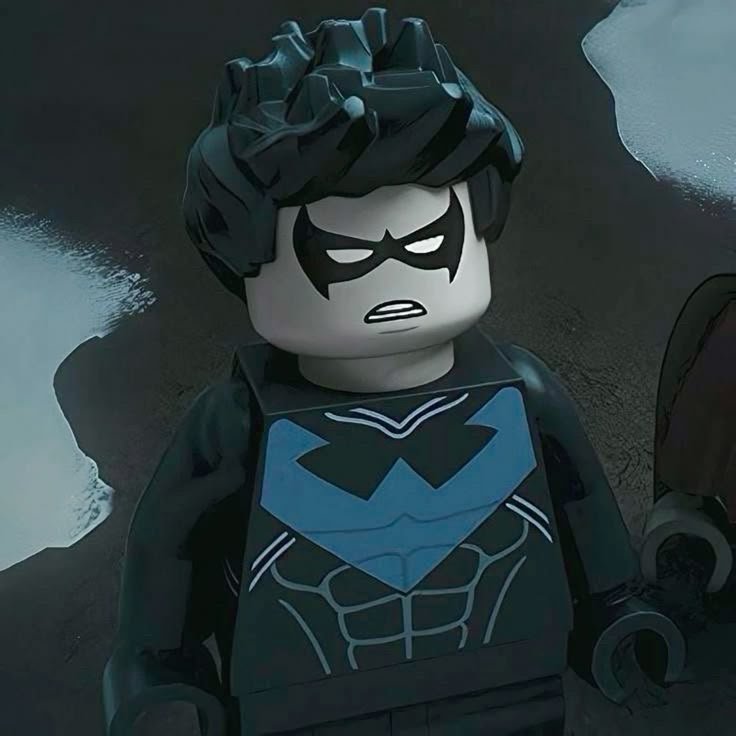
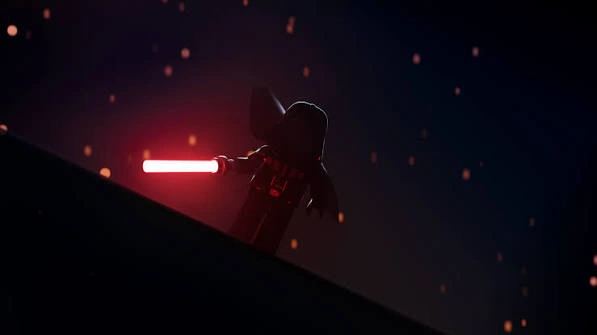
Lighting is where cool LEGO PFPs separate themselves from cute ones: hard rim lighting, deep shadows across the printed torso detail, sometimes a single colored gel light (blue or red) instead of flat studio light. It's the same lighting vocabulary action-figure photographers use, just scaled down to 4cm.
Accessory choice does a lot of the heavy lifting too. A minifigure holding a weapon, a skateboard, or a printed jacket piece reads as cool almost automatically, where the same figure bare-handed reads as neutral. If you're building or sourcing a cool LEGO PFP, the accessory in-hand is often more important than the face print.
Cute LEGO PFP
Cute LEGO PFPs invert almost every choice the cool category makes: soft front-facing light with no hard shadows, a close crop on the head and shoulders so the smiling face fills most of the frame, and pastel or pale-colored torso pieces instead of primary brand colors.

Expression does more work here than in any other LEGO PFP category, because minifigure faces are limited to a handful of printed options. A wide smile, blushing cheeks, or the "surprised" open-mouth print tend to outperform the neutral default face by a wide margin in cute-themed builds.
Background choice for cute LEGO PFPs tends toward clutter rather than minimalism, which is the opposite of the aesthetic category: a minifigure surrounded by tiny brick-built flowers, food pieces, or animal figures reads warmer than the same character alone against a plain backdrop, because it borrows the "diorama" scale LEGO is built around.
LEGO Star Wars PFP
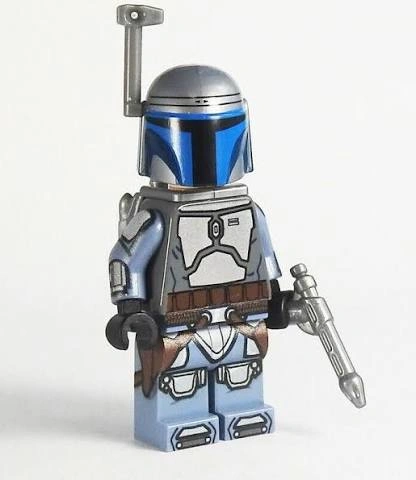
LEGO Star Wars carries more standalone PFP demand than any other LEGO sub-theme, and it's not close. The line has been running since 1999, when LEGO Star Wars sets were the first licensed theme to break from the brand's traditional yellow, race-neutral minifigure face and introduce accurate skin tones for named characters. That single design shift is why a LEGO Star Wars PFP instantly reads as "this specific character" rather than "a generic minifigure" — exactly the recognizability a profile picture needs.
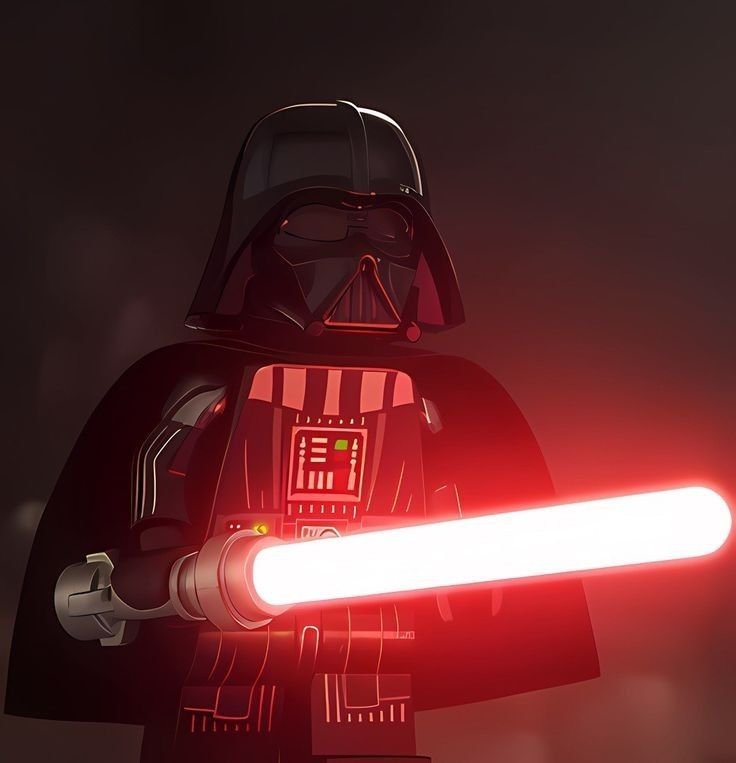
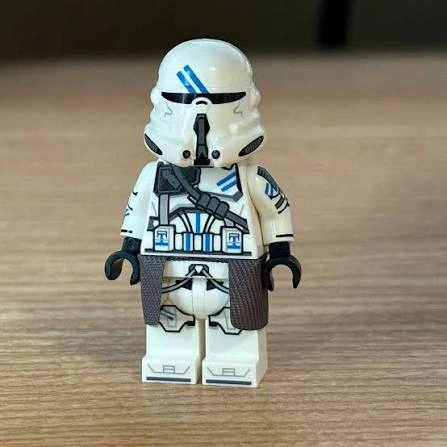
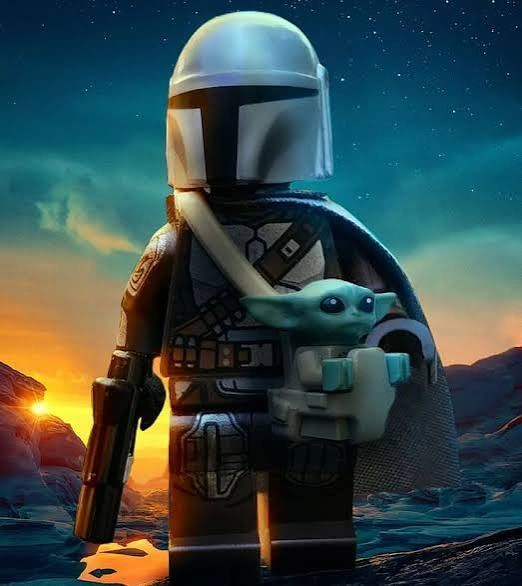
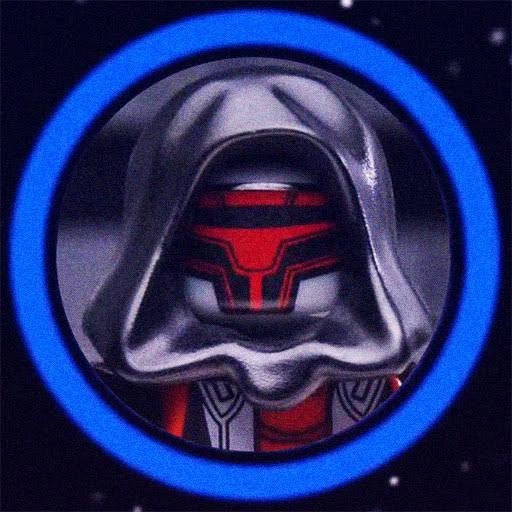
Helmet and hood pieces do most of the identification work in this category. A Stormtrooper's molded helmet, Darth Vader's full-face piece, or a Mandalorian's visor are all silhouette-recognizable even at the tiny scale a PFP gets cropped to, which is worth prioritizing over a full-body shot.
There's also a real, documented trend on TikTok of fans pausing official LEGO Star Wars promotional clips and screenshotting a specific frame to use as a profile picture rather than sourcing a posed photo — worth knowing if you want a PFP that looks pulled from motion rather than staged.
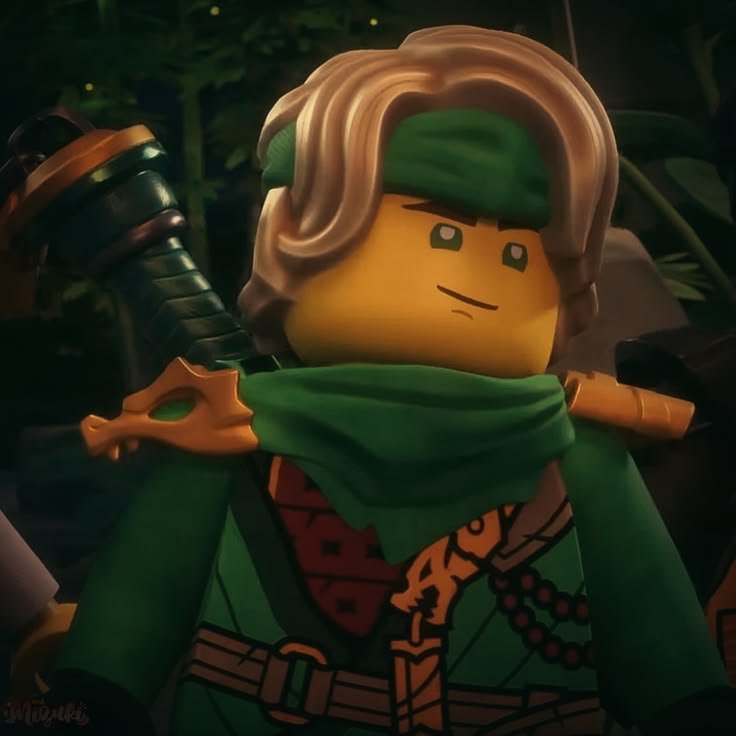
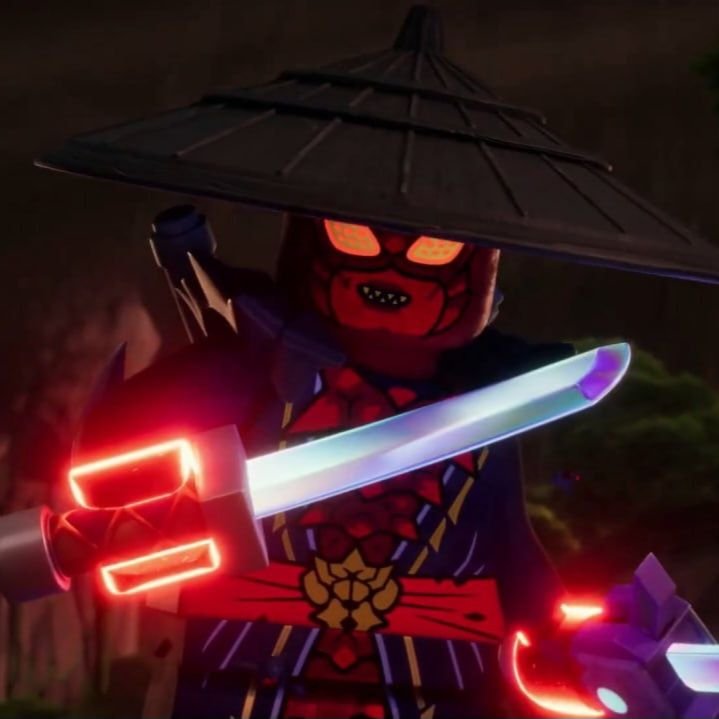
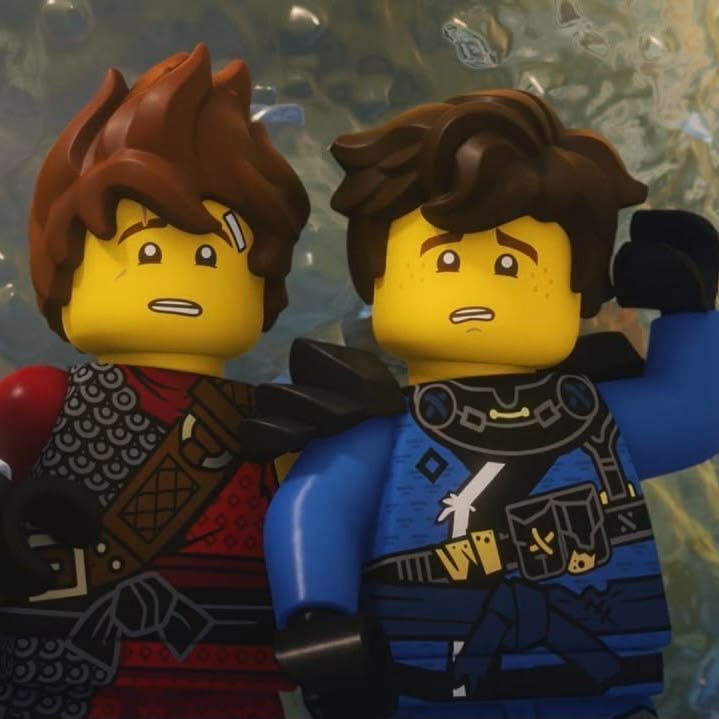
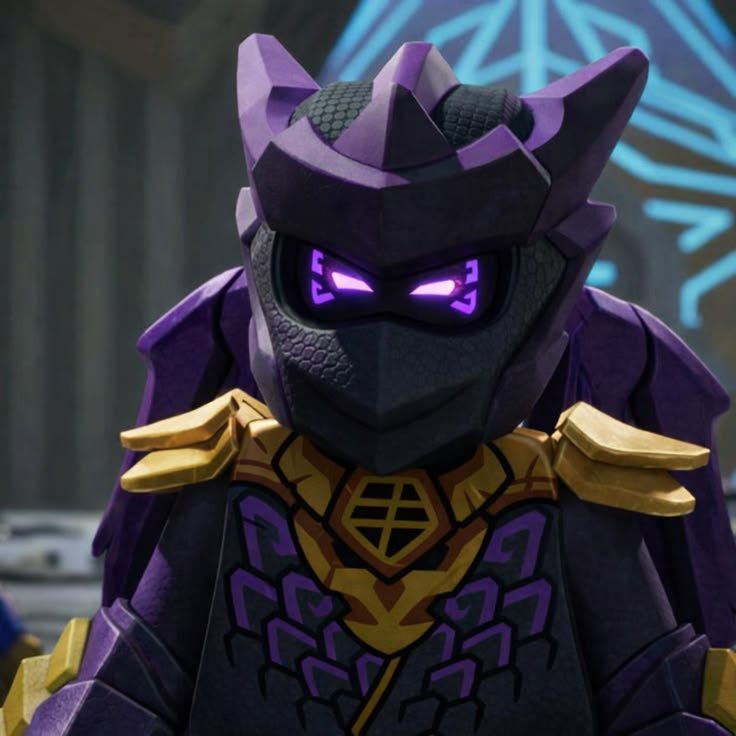
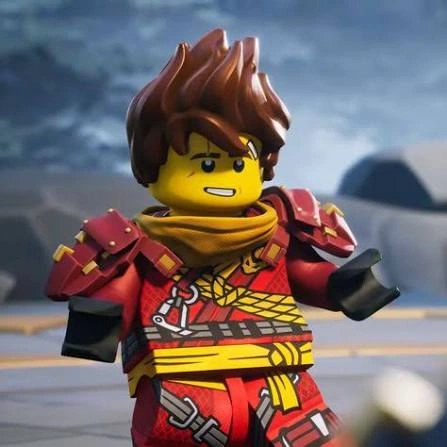
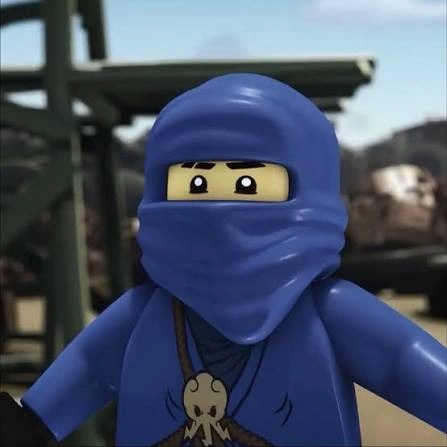
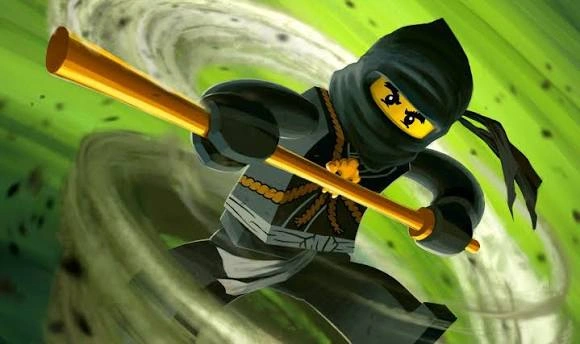
LEGO Ninjago PFP
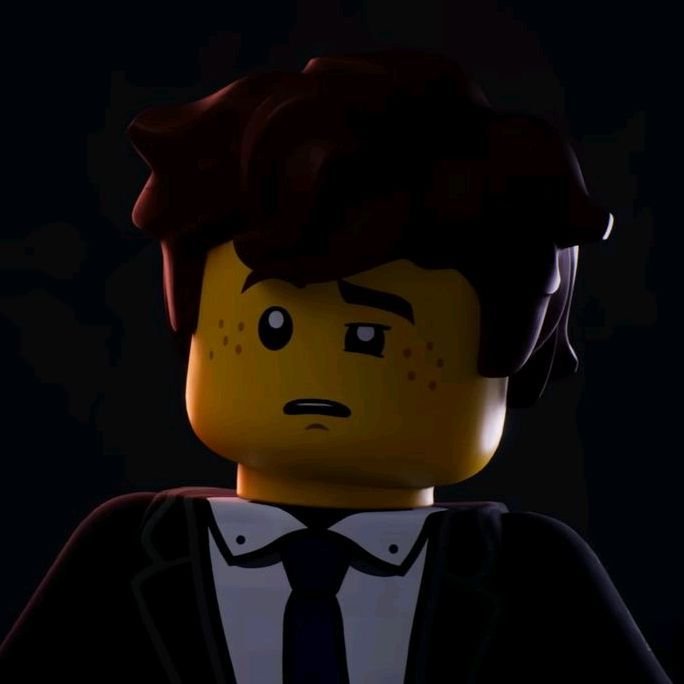
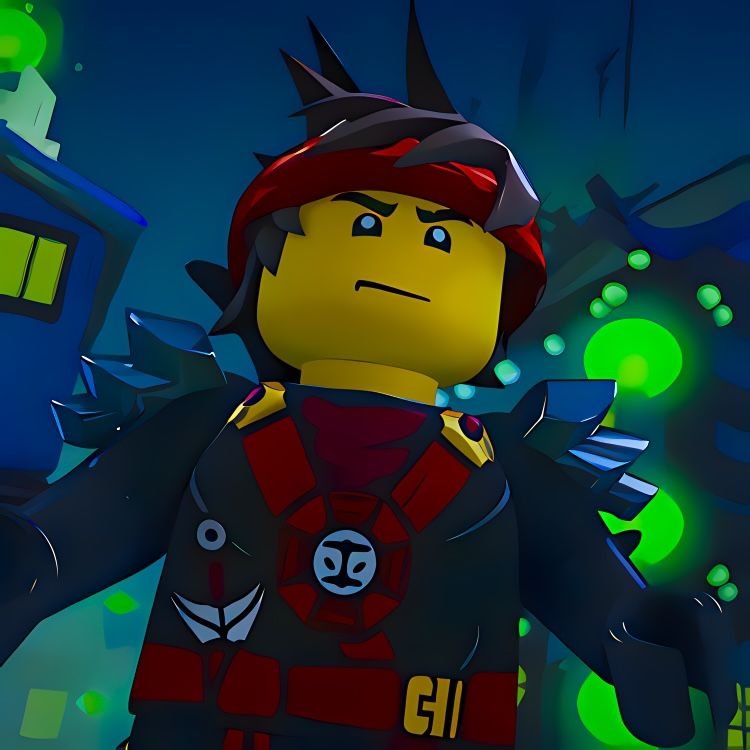
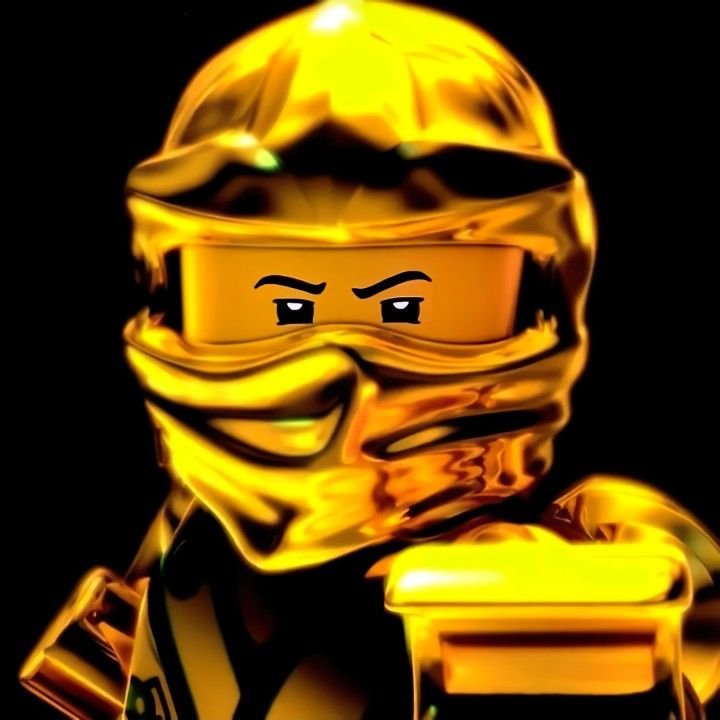
Ninjago is the most underrated pick in the entire LEGO PFP category, and it's worth calling out directly: every other major sub-theme here (Star Wars, Marvel, DC) borrows its recognizability from an outside franchise, while Ninjago's character design was built by LEGO from scratch specifically for elemental ninja.
That means color-coded recognizability with no outside knowledge required — each ninja's color and element read instantly. For a PFP, that translates to bold, clean icons that need no explanation, perfect for profiles that want personality without fandom homework.
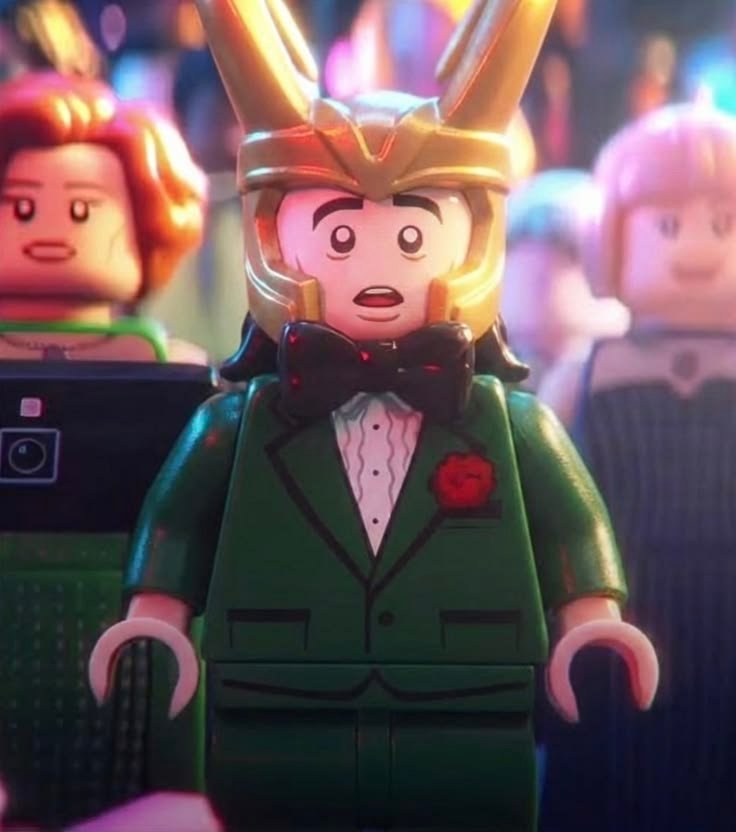
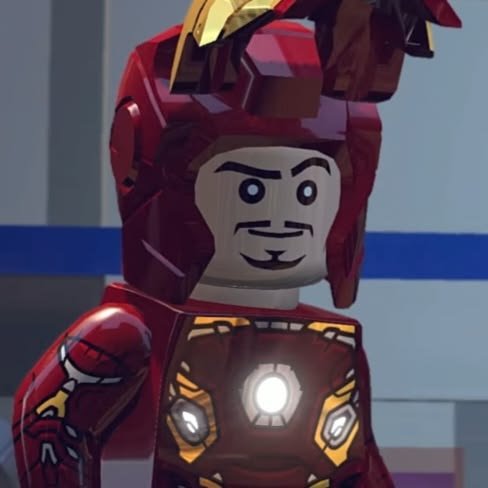
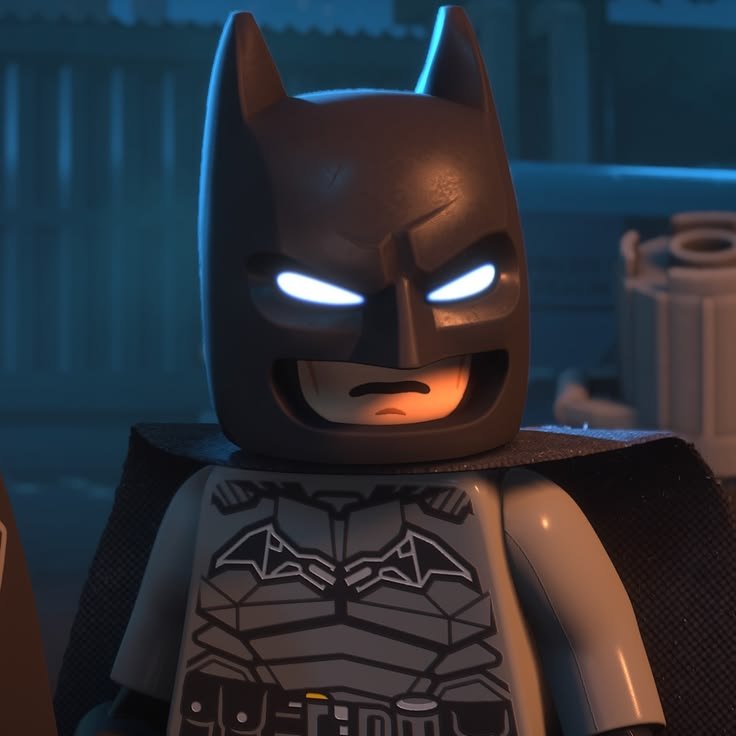
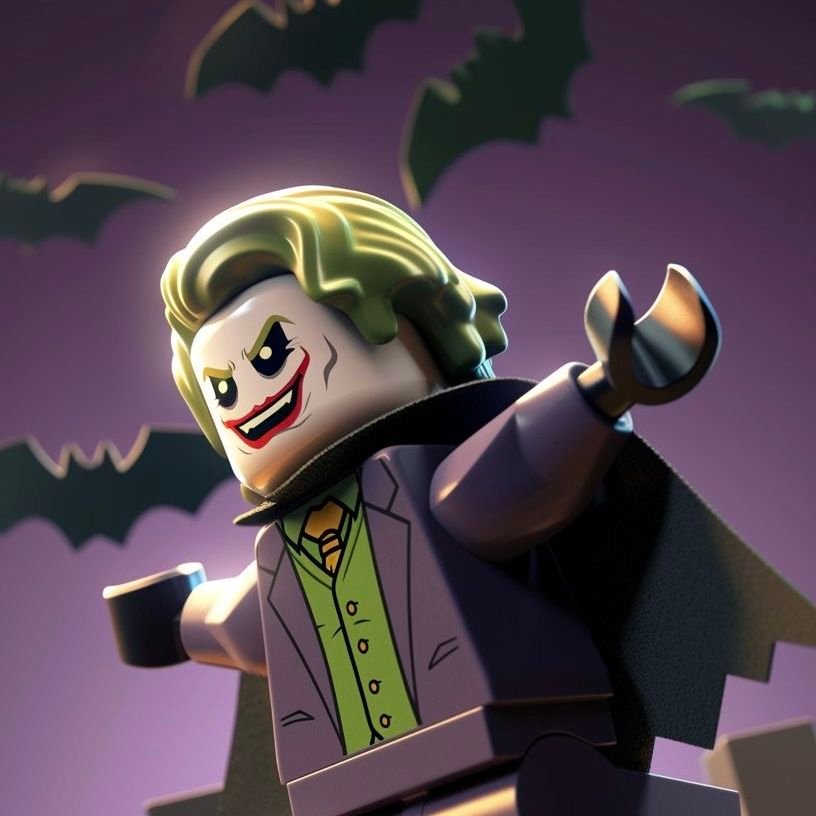
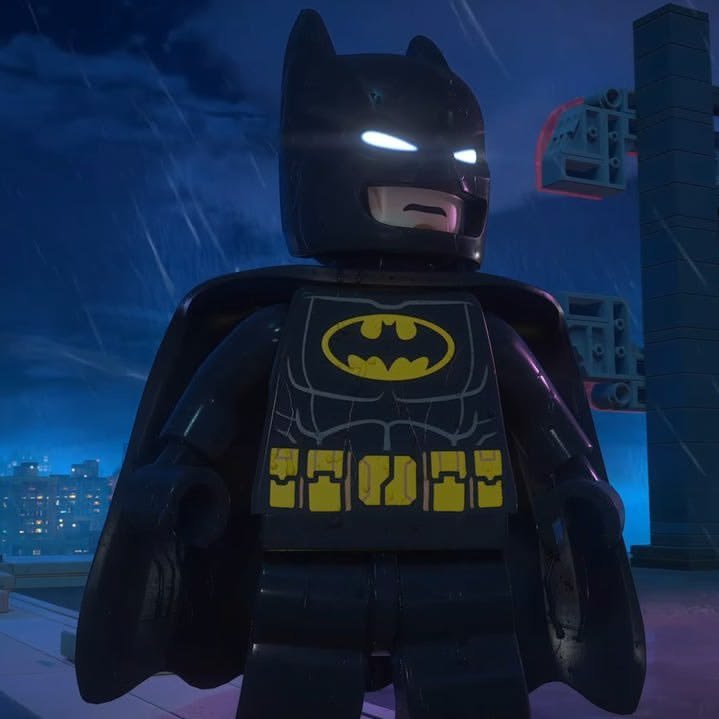
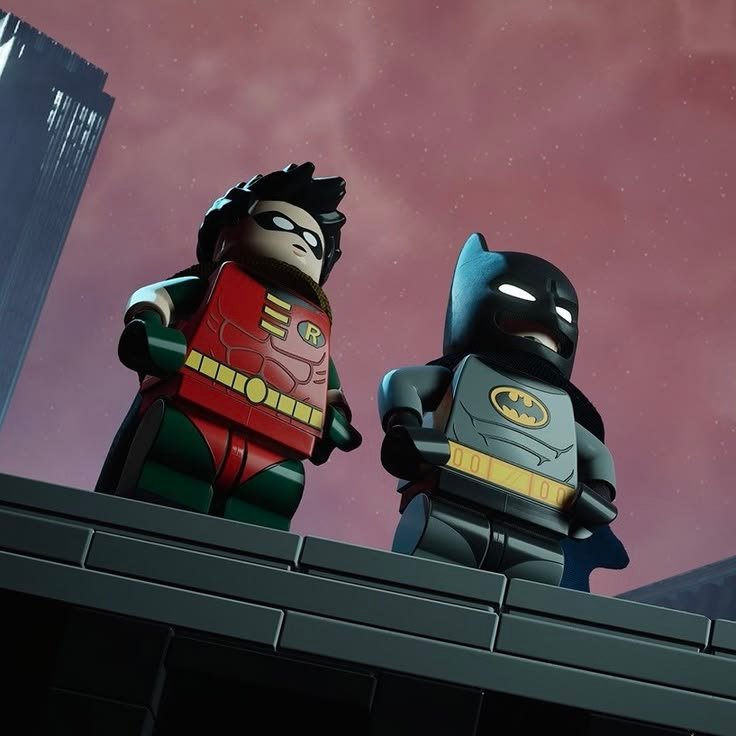
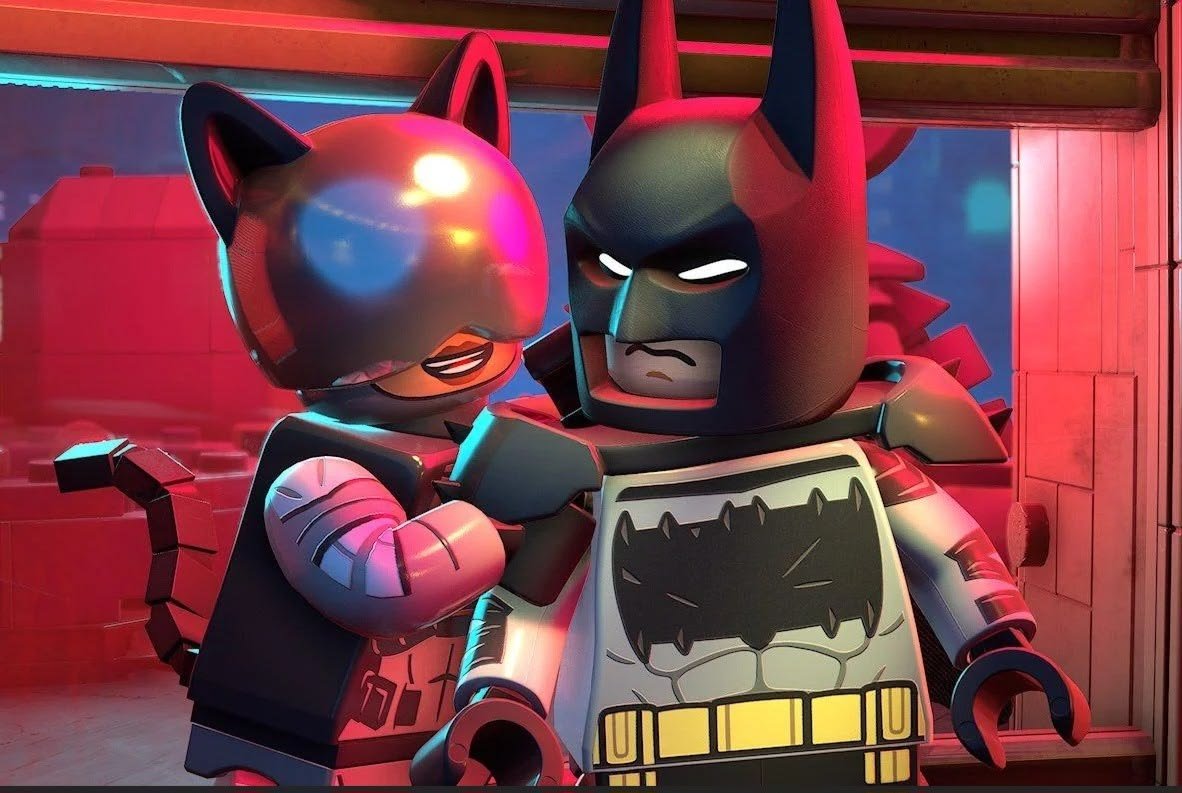
LEGO Batman, DC & Marvel PFP
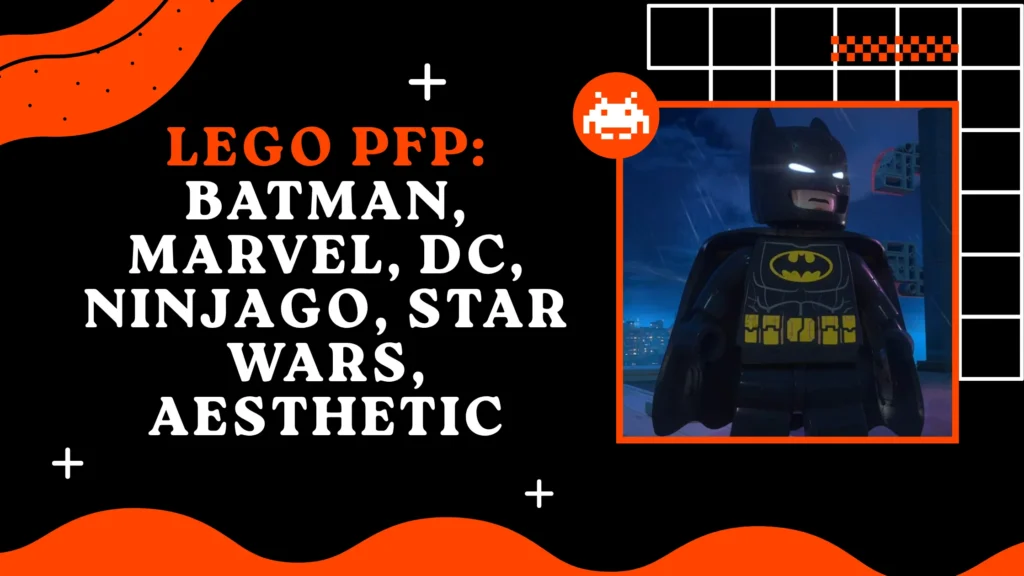
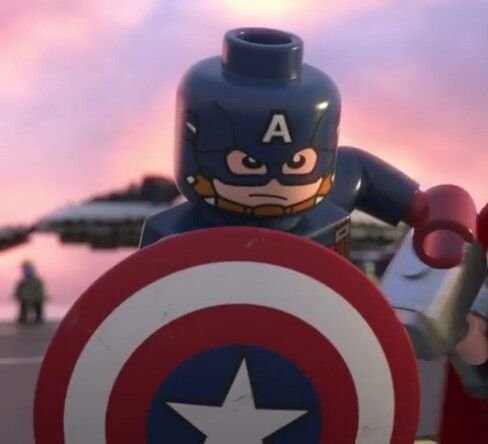
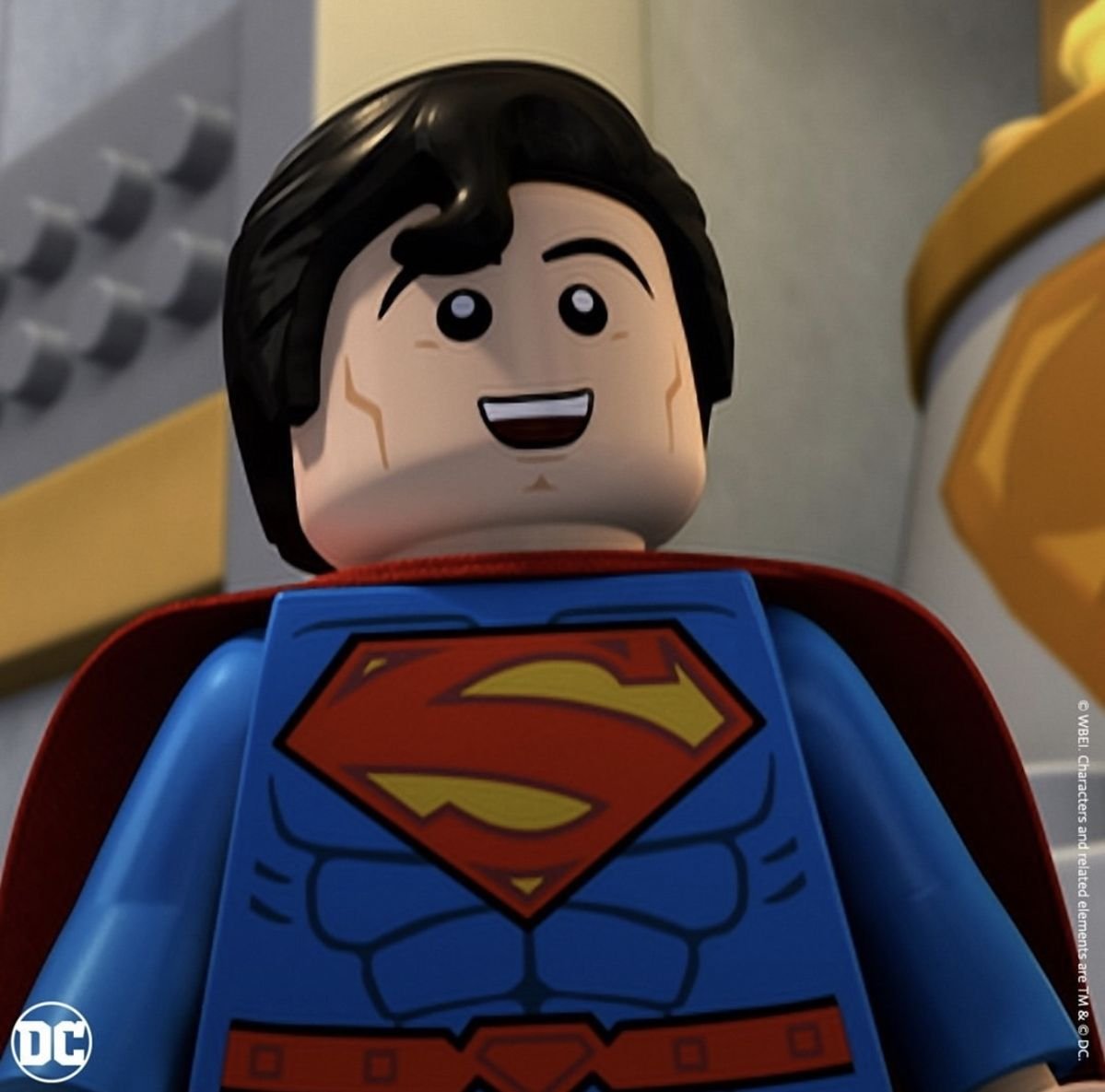
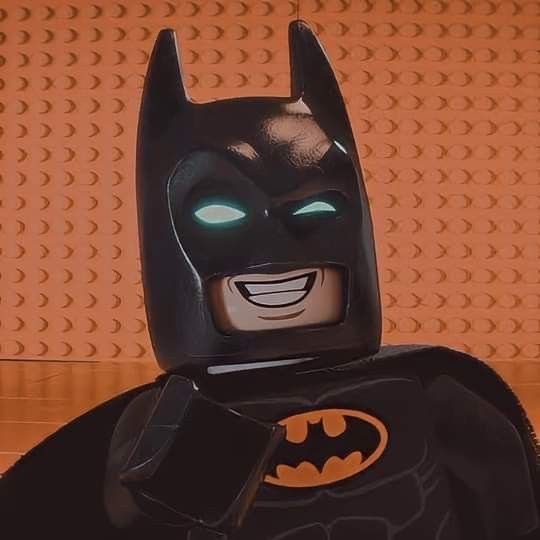
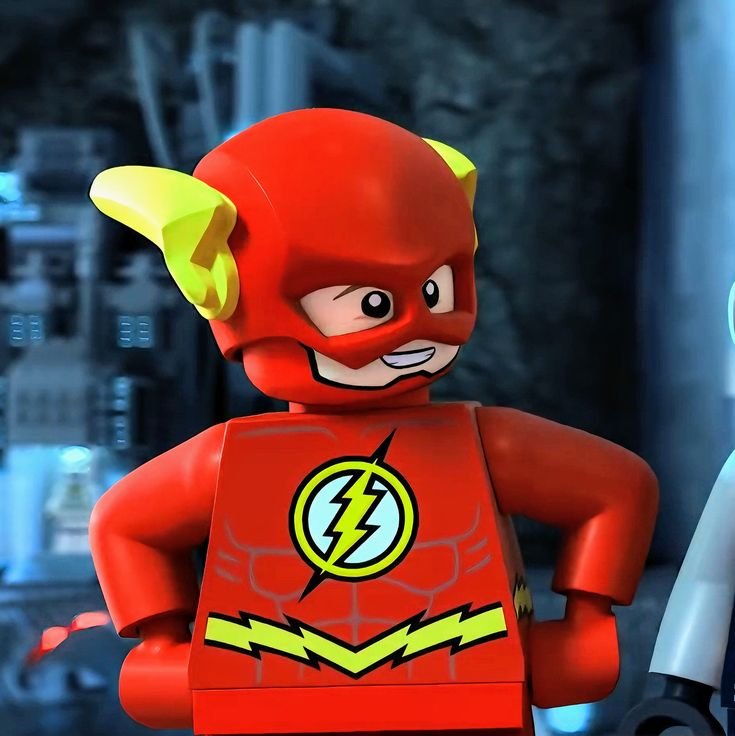
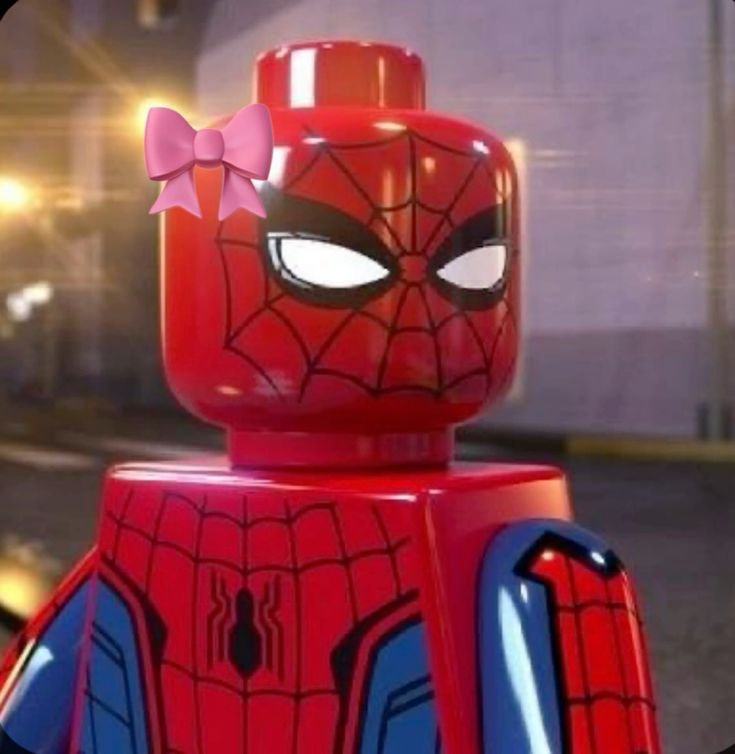
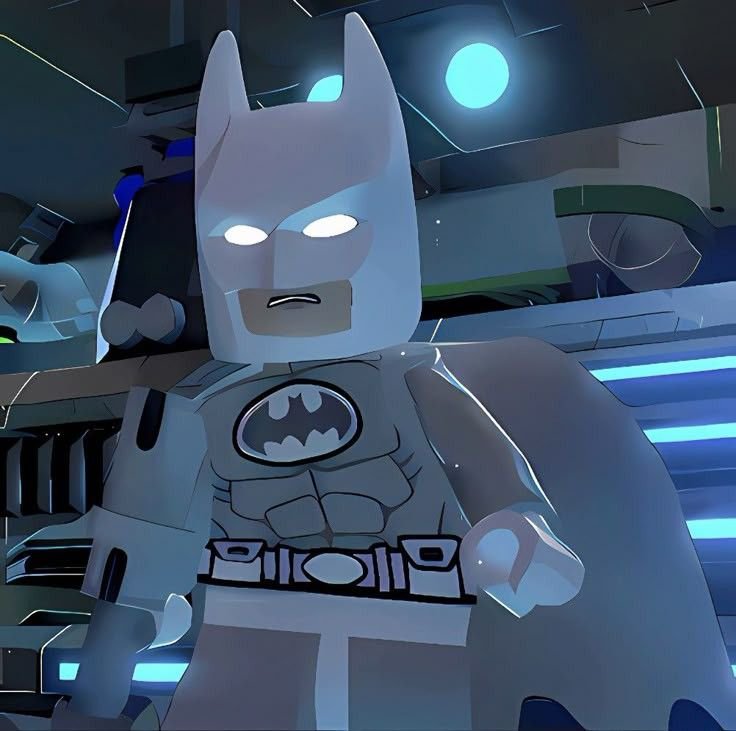
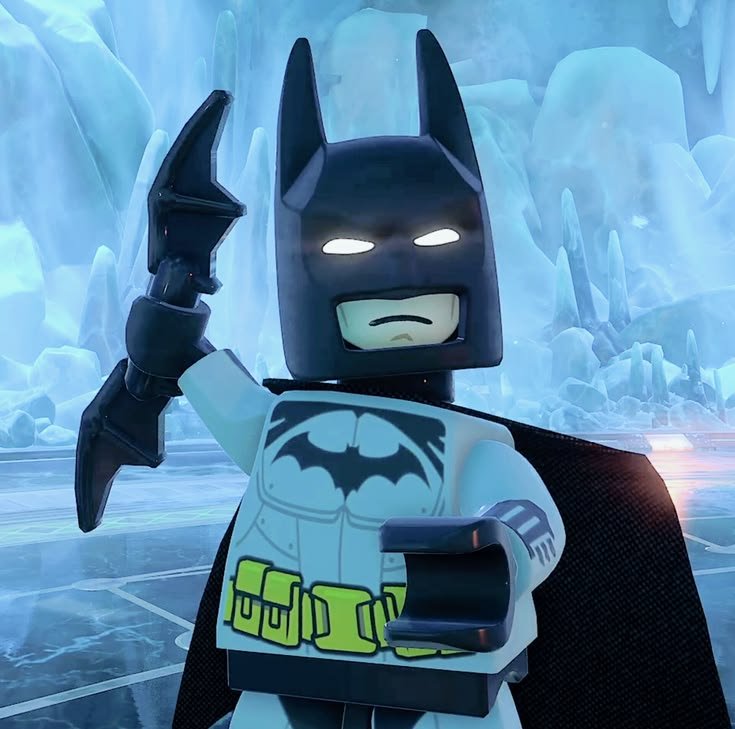
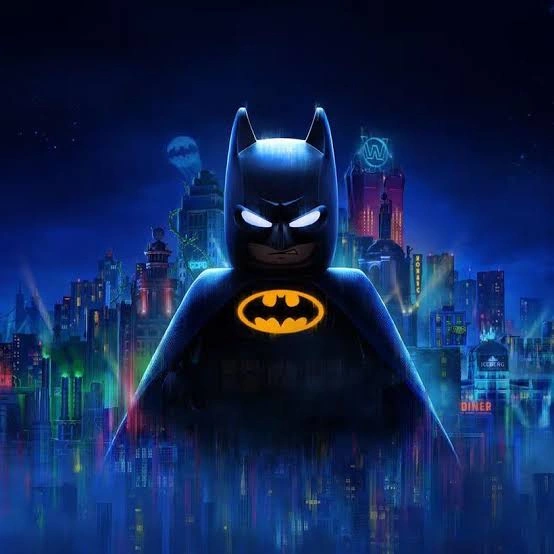
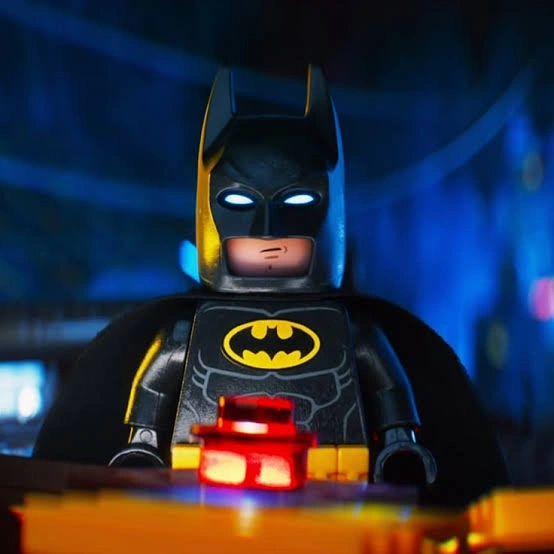
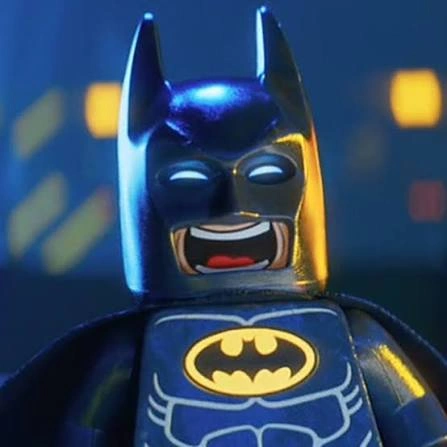
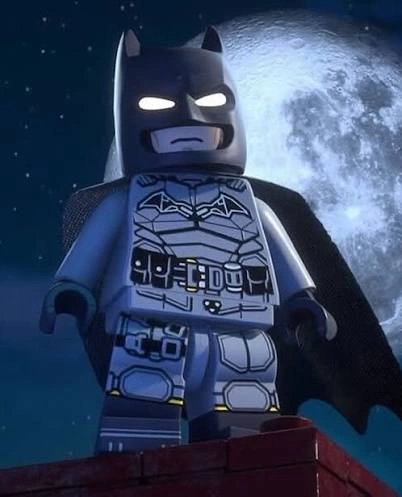
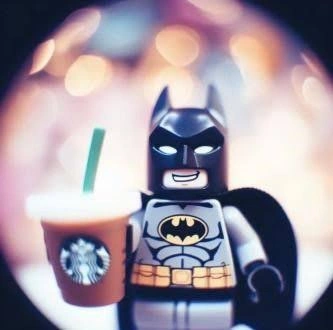
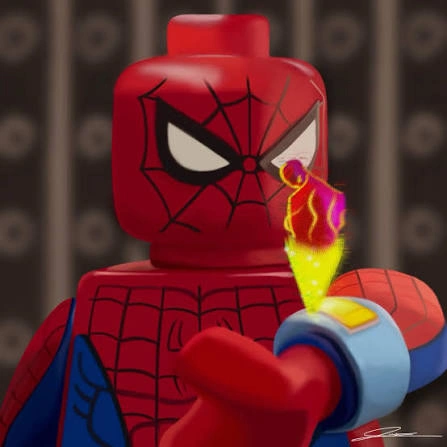
Licensed hero minifigures bring instant character recognition to the brick format. LEGO Batman's cowl, Spider-Man's webbed mask print, and other hero headpieces translate comic icons into the friendly minifigure shape — fandom signaling with the approachability only LEGO delivers.
Funny LEGO PFP
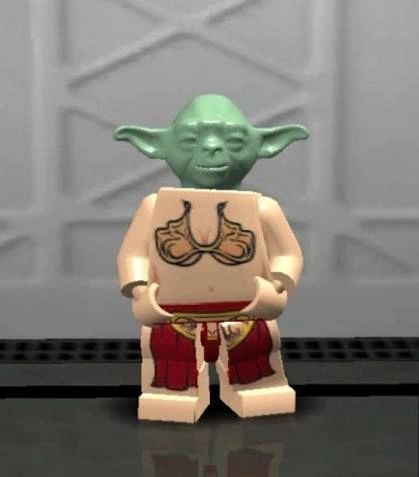
Funny LEGO edits play with the format's charm: minifigures in absurd situations, mismatched parts, and exaggerated poses. The contrast between the wholesome brick aesthetic and chaotic humor makes these perfect for meme servers and casual group chats.
LEGO PFP Maker
For a truly personal avatar, PFP maker tools and custom builds let you assemble a minifigure that mirrors your own look: hairpiece, torso print, and accessories chosen to match. A self-built minifigure PFP is the most personal option in the category.
More LEGO PFPs
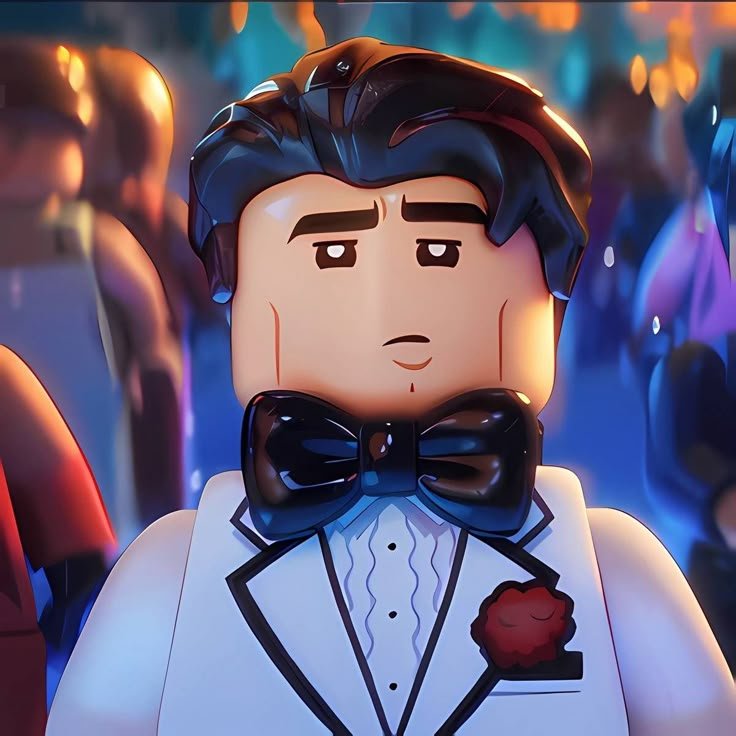
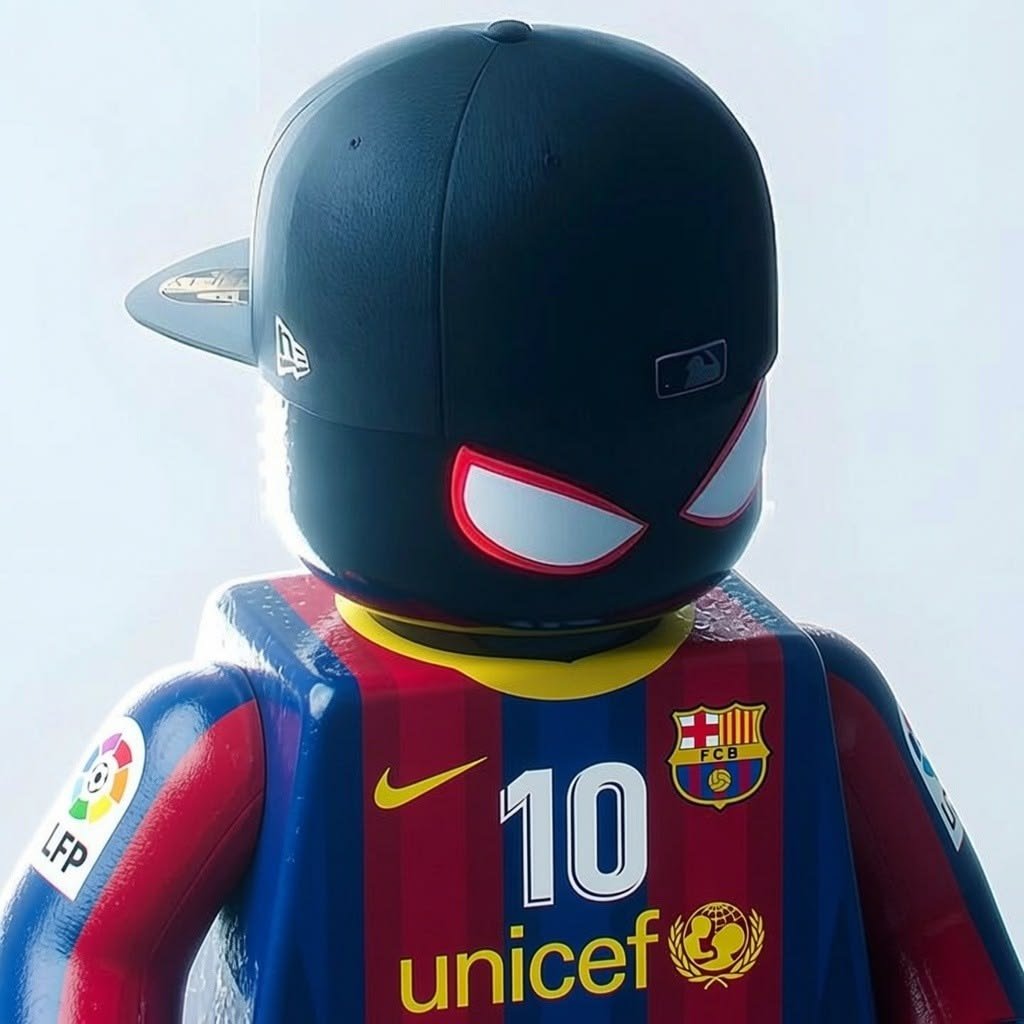
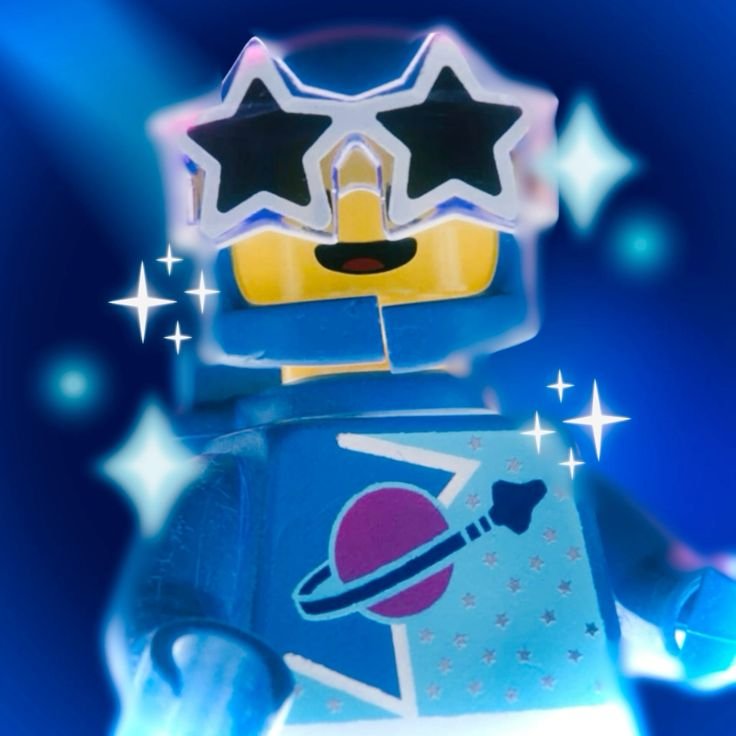
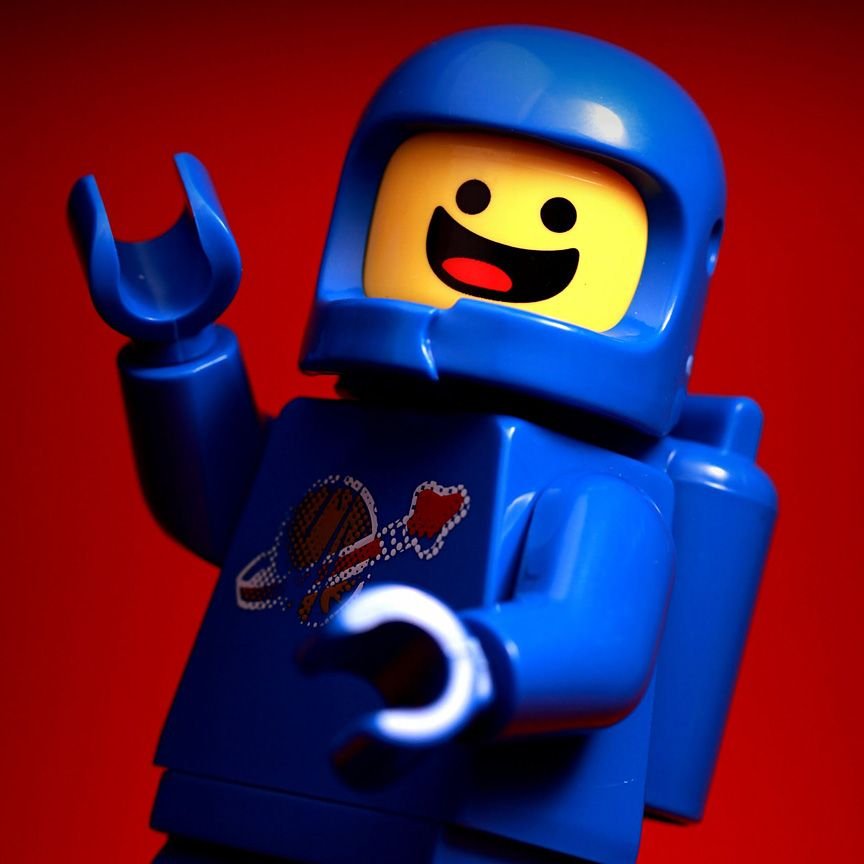
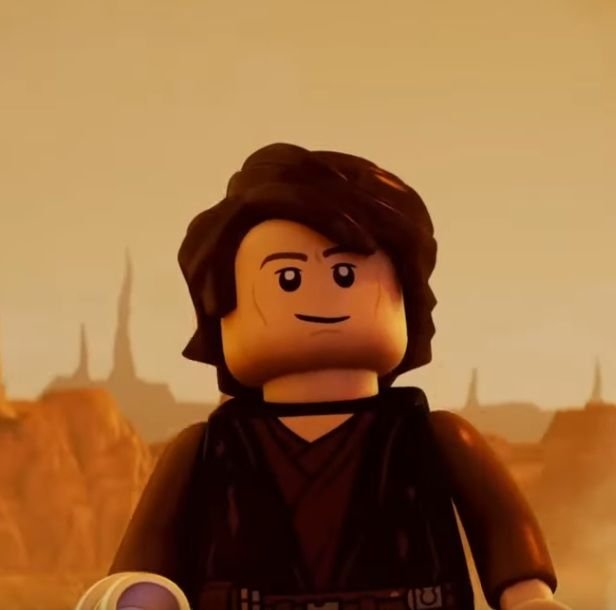
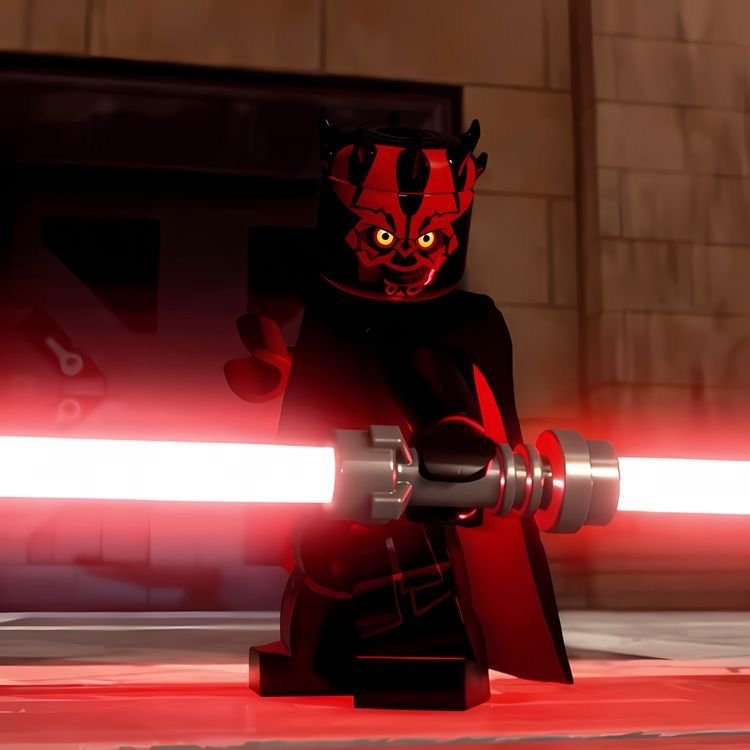
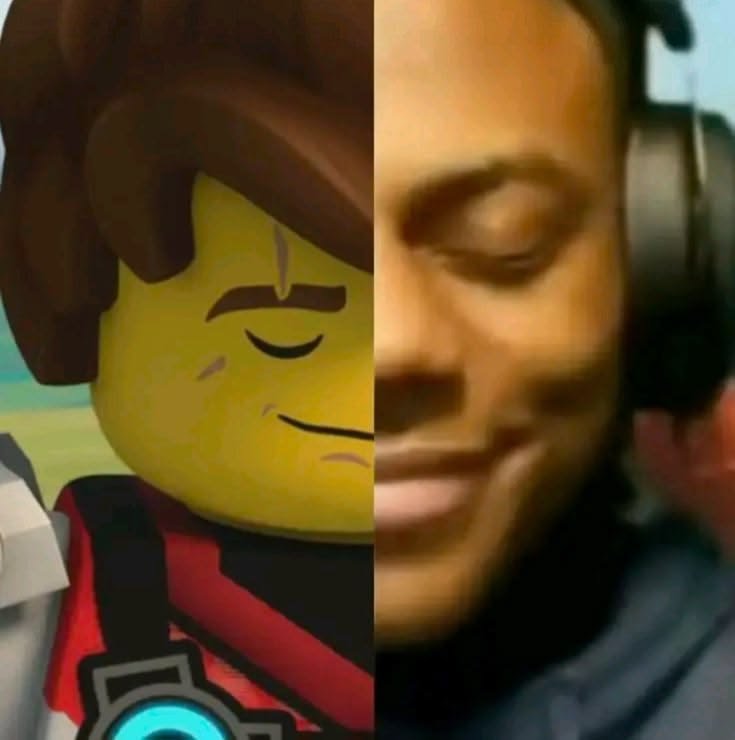
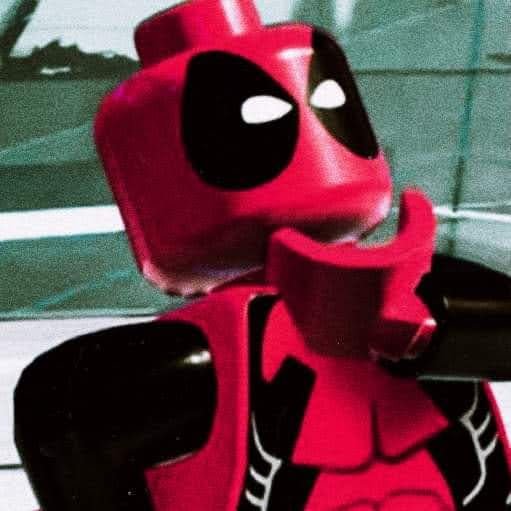
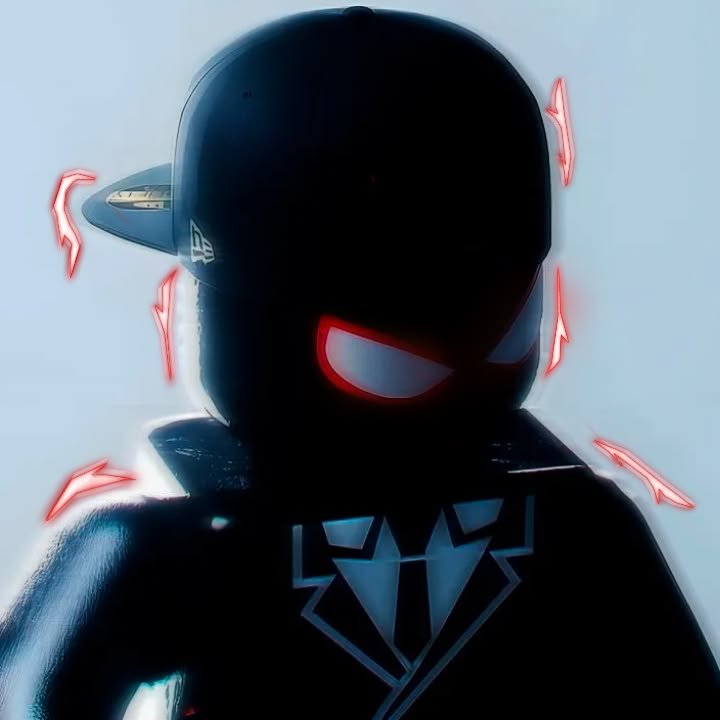
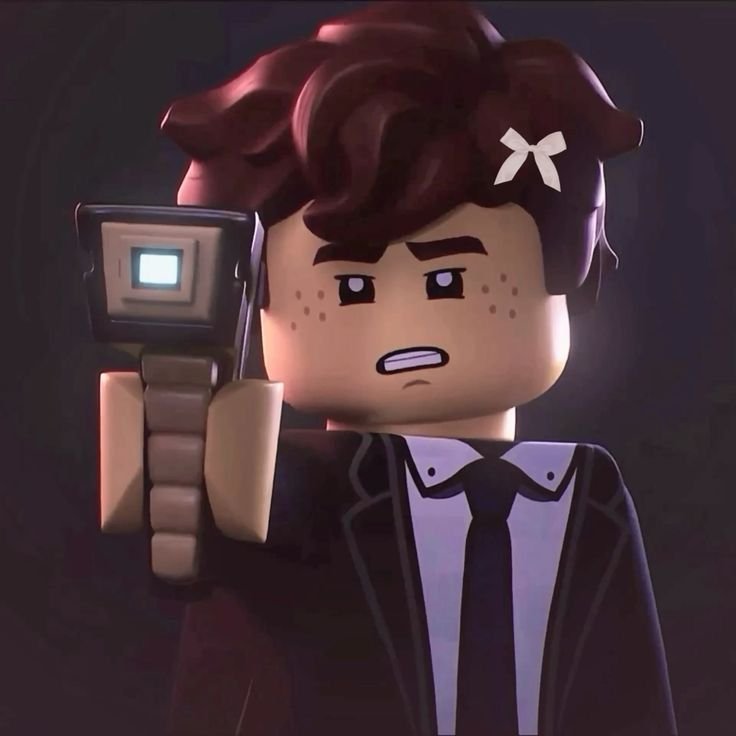
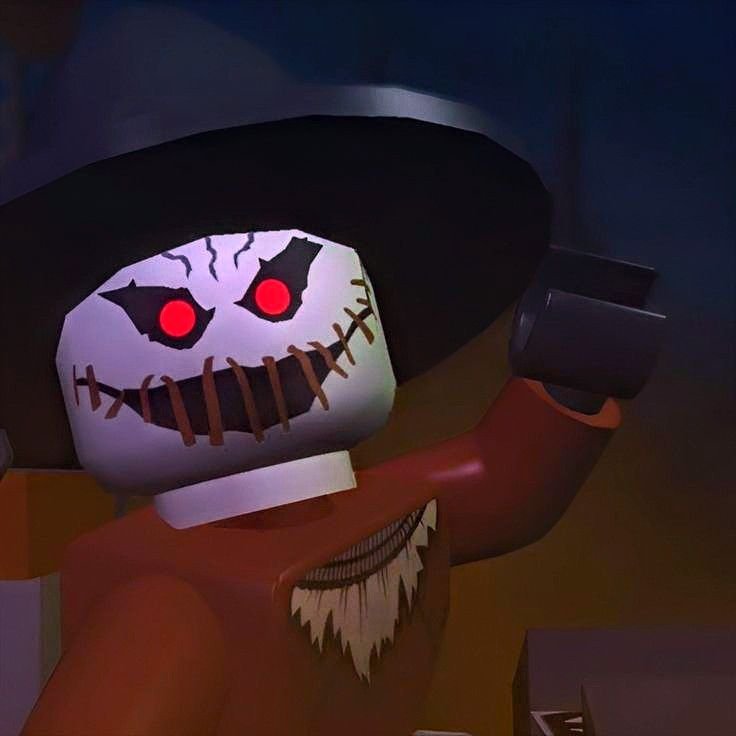
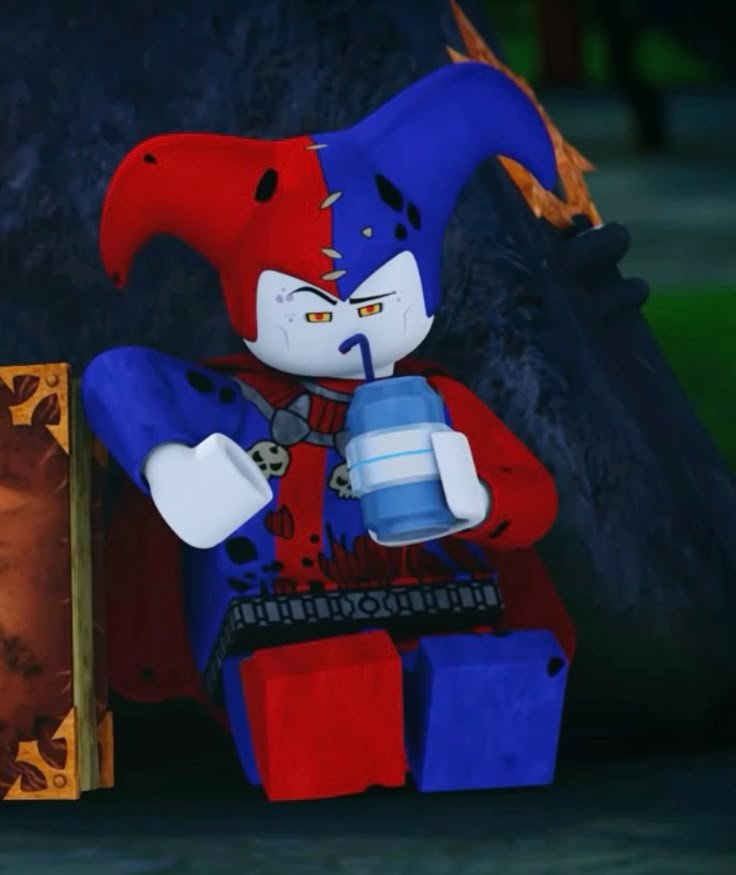
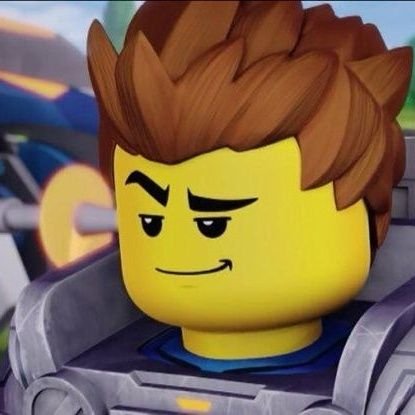
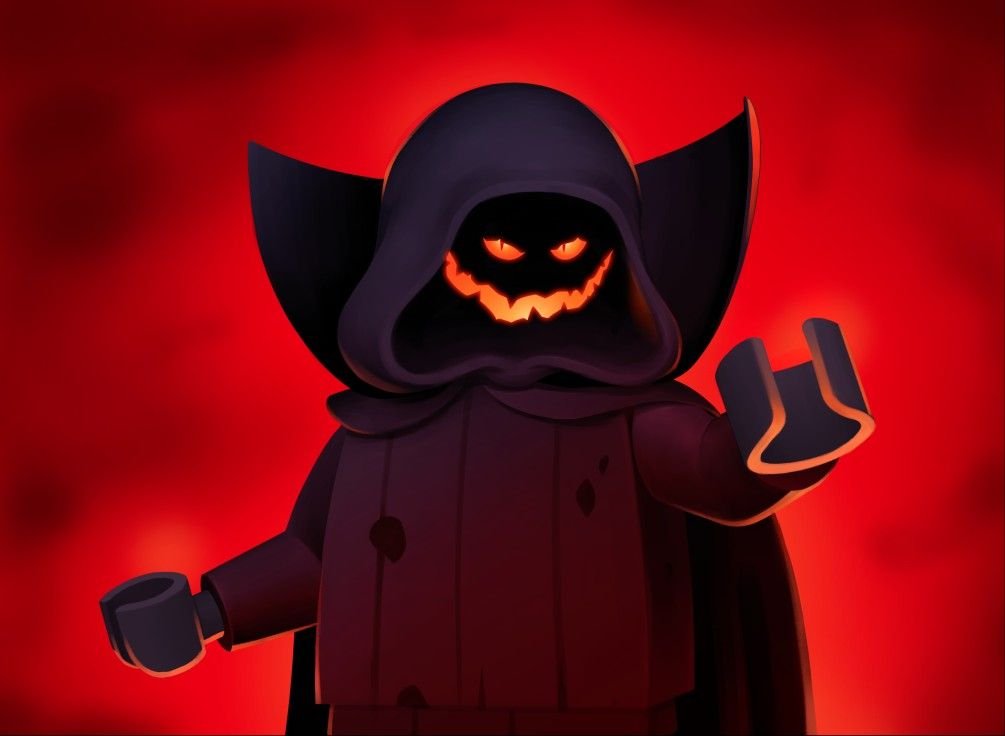
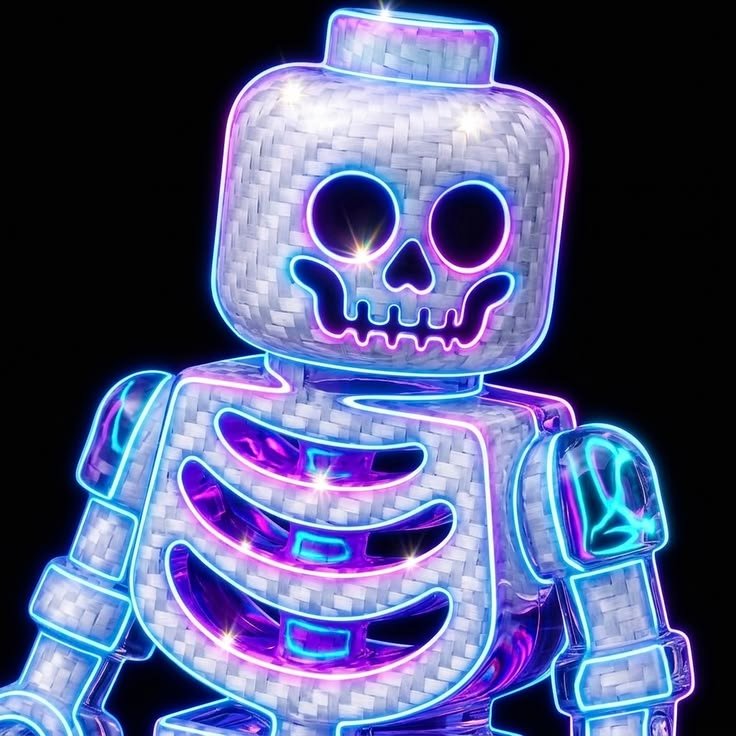
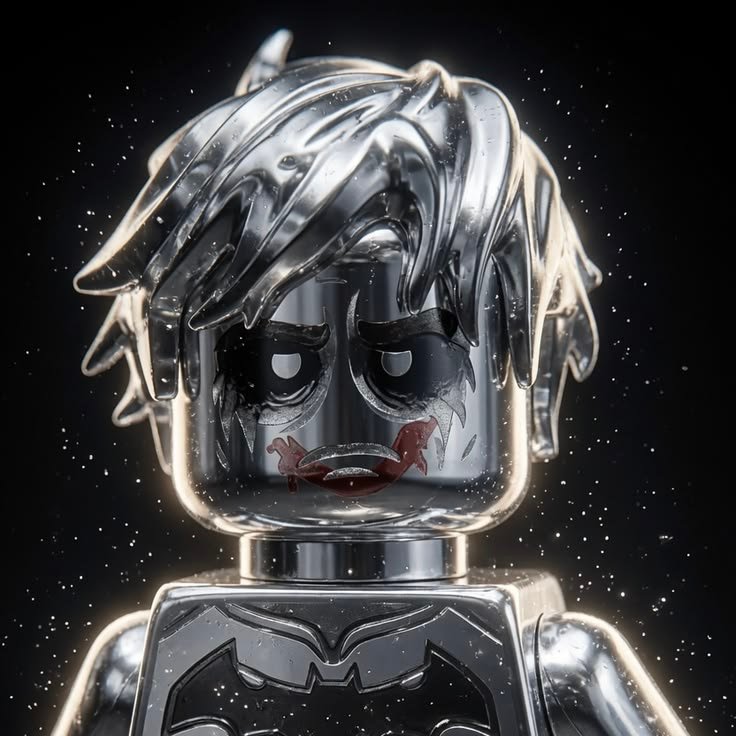
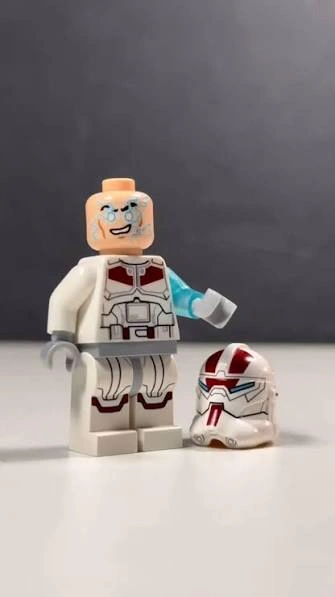
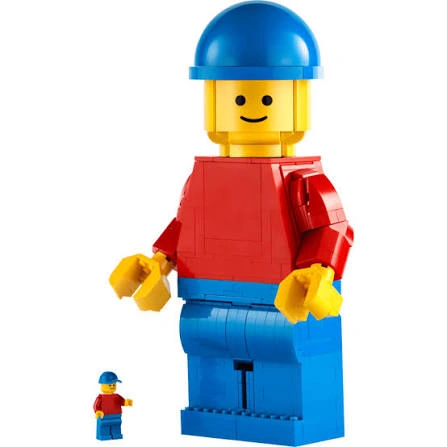
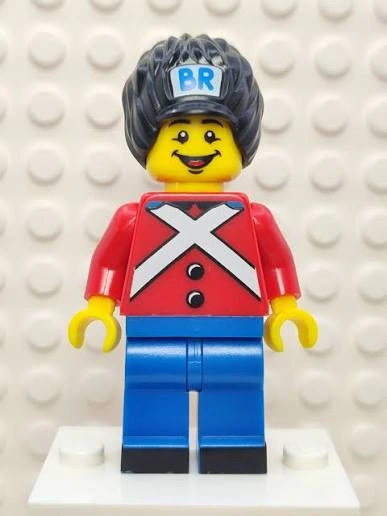
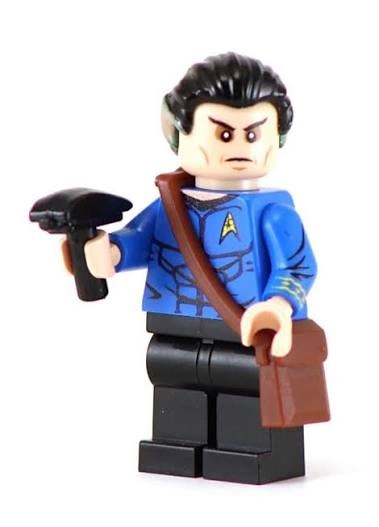
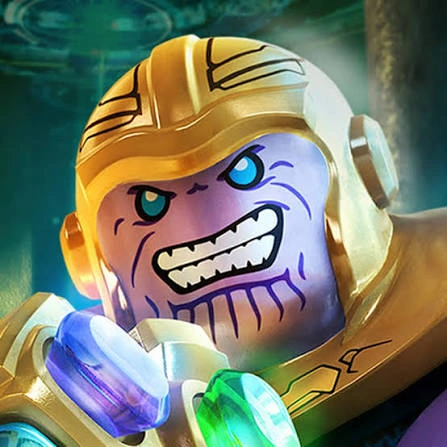
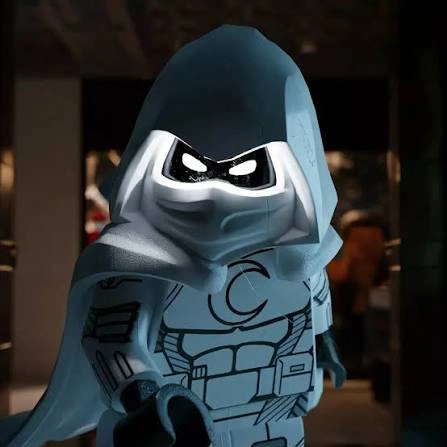
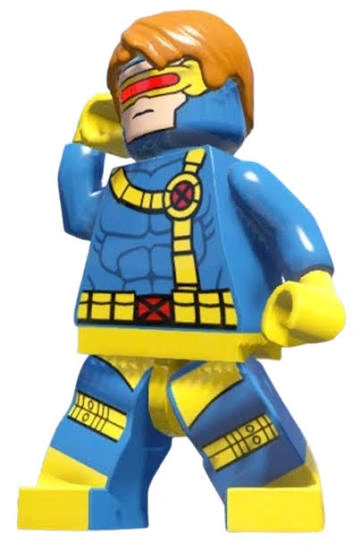
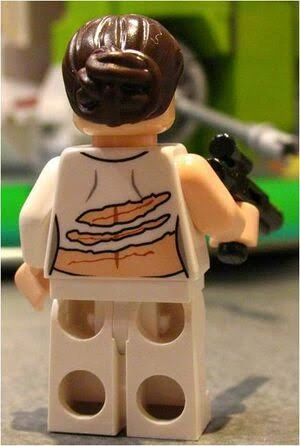
Browse the full gallery below — tap any image to view it full size, then save it as your profile picture.














Frequently Asked Questions
Why do LEGO PFPs work so well?
The minifigure face has been recognizable since 1978, and the brick system's mix-and-match nature mirrors how online identity works. The result reads as friendly and personal, endlessly customizable.
Which LEGO PFP style is best for Discord?
Cool builds with strong accessories and dramatic lighting, or character-specific picks like Star Wars helmets. Silhouette recognition matters most at small sizes.
What makes a good aesthetic LEGO PFP?
Pastel baseplates, warm natural light, shallow depth of field, and muted torso colors. The "flat lay" composition style performs especially well on Pinterest and Instagram.
Are LEGO Star Wars PFPs better than generic minifigures?
For character recognition, yes. Since 1999, accurate skin tones and molded helmets make LEGO Star Wars figures read as specific characters rather than generic minifigures.
Can I make my own LEGO PFP?
Yes. PFP maker tools and physical custom builds let you assemble a minifigure matching your look: hairpiece, torso print, and accessories chosen to match, for the most personal avatar possible.