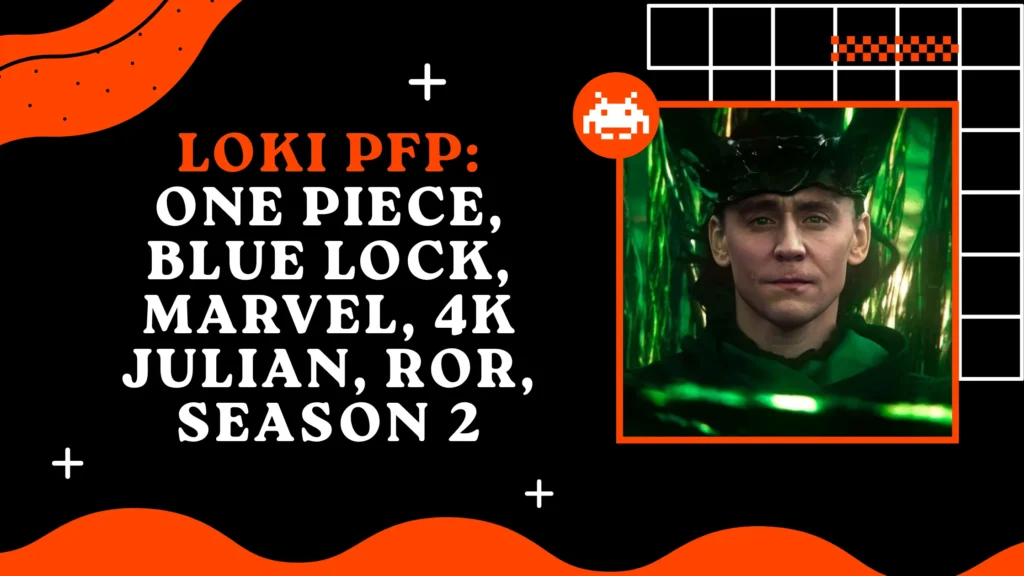
Loki PFPs work because the character was built around performance long before profile pictures existed to prove it. Debuting as Thor's adversary in Journey into Mystery #85 in 1962, courtesy of Stan Lee, Larry Lieber, and Jack Kirby, Loki has always been defined by shifting identity — a shapeshifter, a trickster god, a character who is never quite one fixed thing. That's precisely the quality a PFP is supposed to communicate: a deliberate version of self, chosen rather than settled into by default.
What makes Loki specifically strong as an avatar, rather than just "a popular Marvel character," is the sheer range of distinct, recognizable looks tied to one identity. Few characters offer this many genuinely different versions with real fan followings: the horned golden helmet of the classic comics, the sleek black-and-green leather of the MCU films, and the variant looks introduced through the Disney+ series. That range means there's rarely just one "correct" Loki PFP, which is part of why the character has become such a consistent presence across fandom avatar culture. This guide covers the major versions worth using, the platforms they perform best on, and how to pick the right crop.
Classic Comic Loki PFP
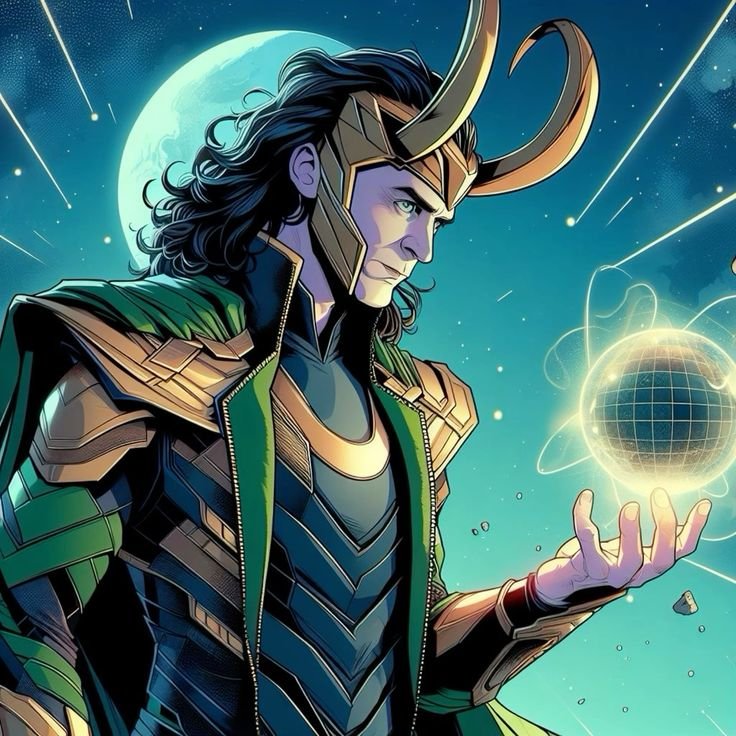
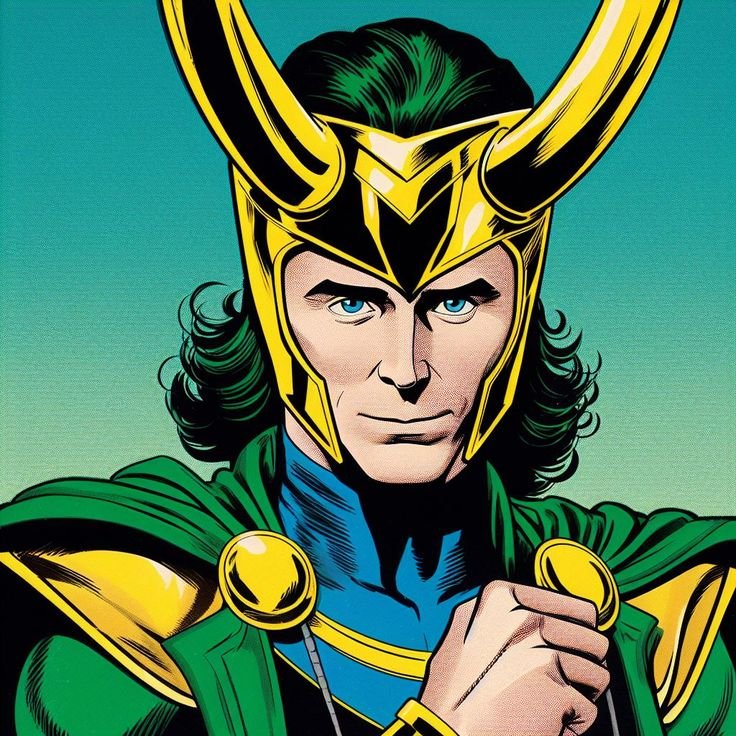
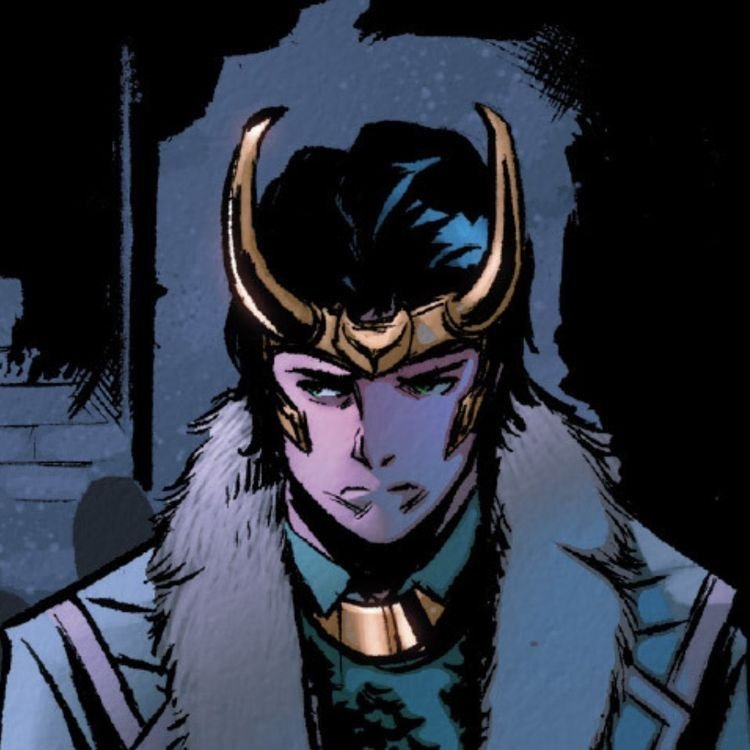
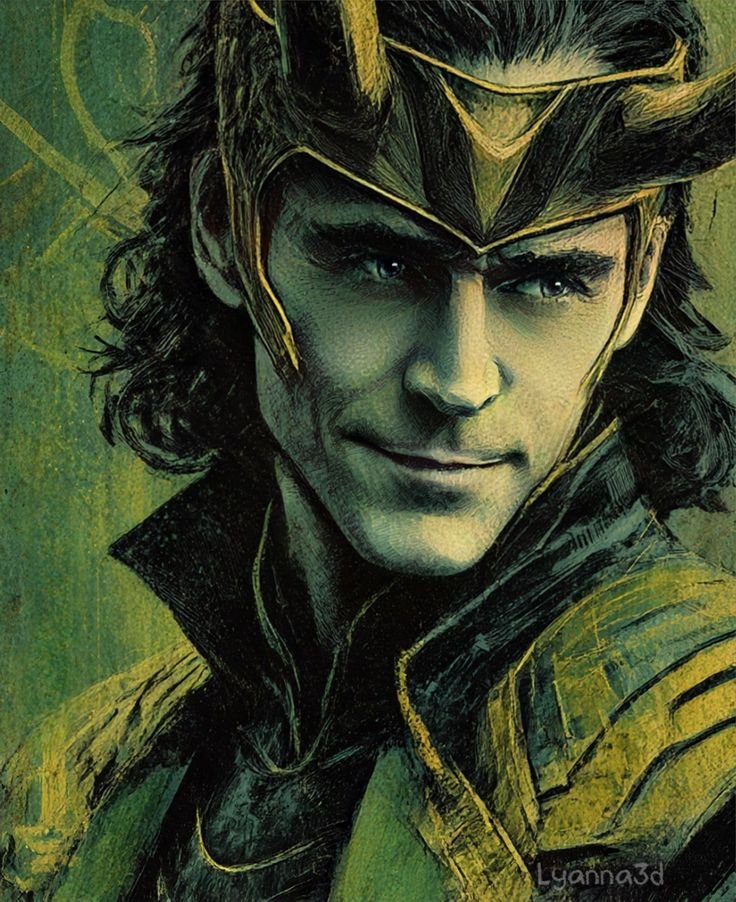
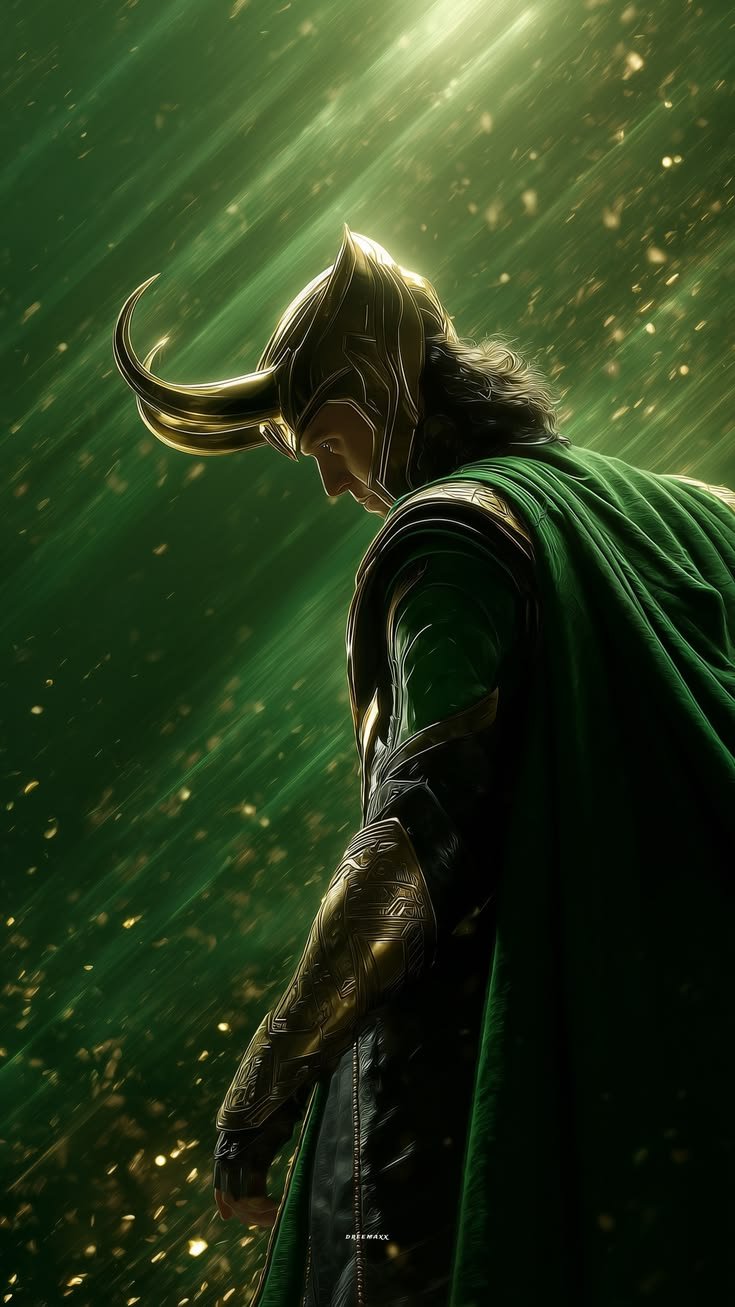
The comic-accurate Loki, most memorably rendered during Walt Simonson's celebrated 1980s Thor run, centers on a green-and-gold color scheme paired with the character's signature horned golden helmet — a design element so specific to Loki that it functions almost like a logo within Marvel's visual language. The armor beneath leans regal rather than combat-focused, with flowing capework in deep emerald green that contrasts sharply against gold trim along the shoulders and chest.
This version's expression tends toward a knowing smirk rather than open aggression, reflecting the character's core trait as a manipulator who wins through cunning rather than force. Lighting in comic-accurate renders often favors dramatic single-source shadows across the helmet's horns, since that silhouette alone is often enough to identify the character even before any facial detail becomes visible. Backgrounds skew toward Asgardian gold-and-marble settings or stormy skies referencing Thor's own visual world.
As a PFP, this version signals deep comics-fan credibility more than casual movie fandom, appealing to users who want to project familiarity with Loki's original mythological-Marvel roots rather than his screen adaptations.
MCU Loki PFP
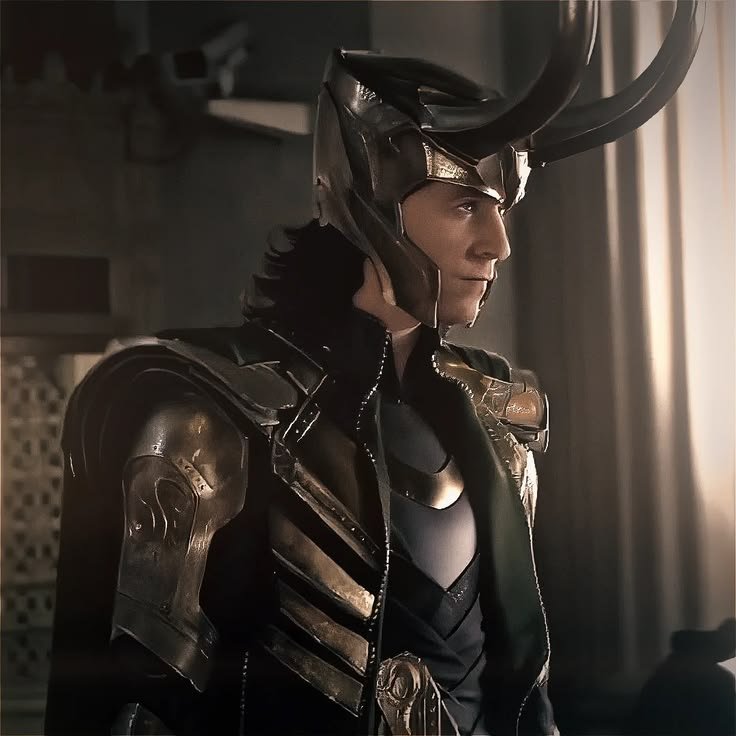
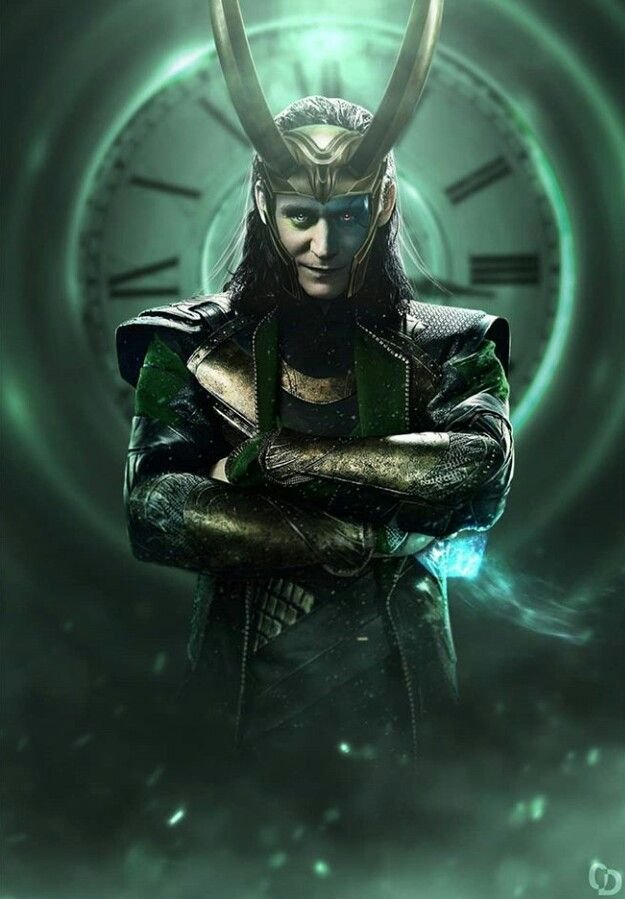
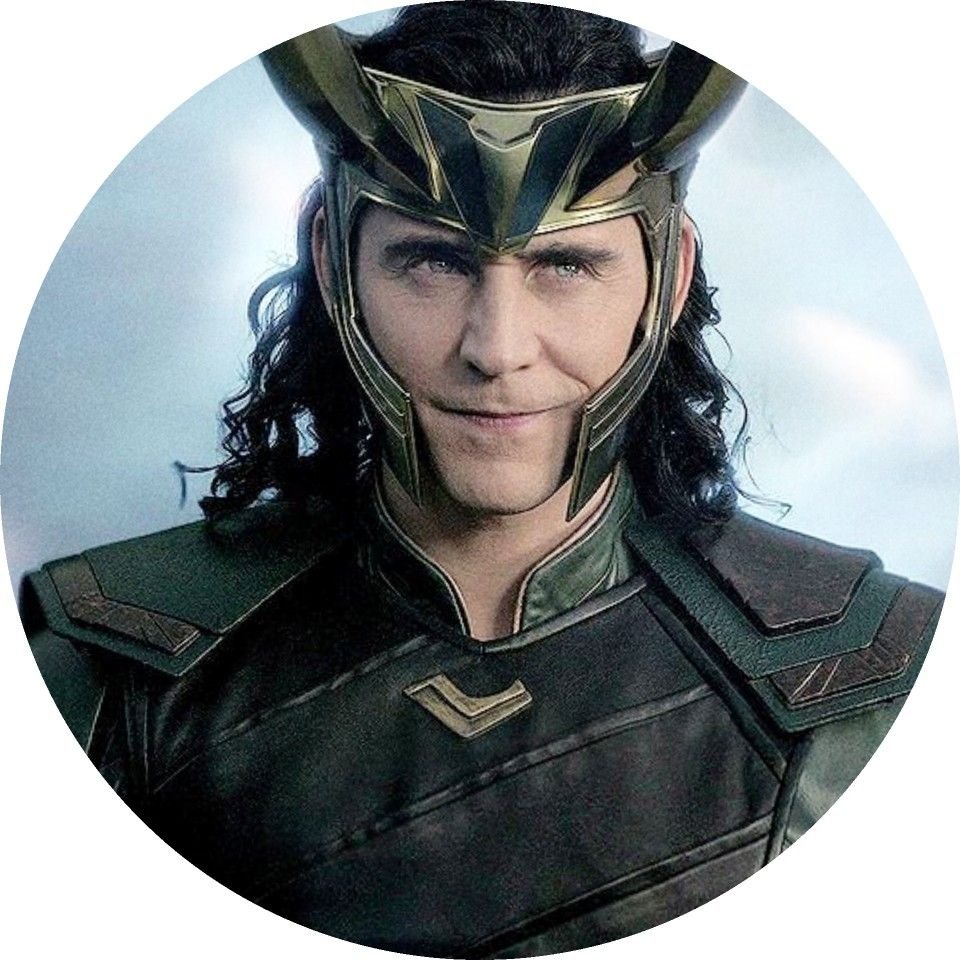
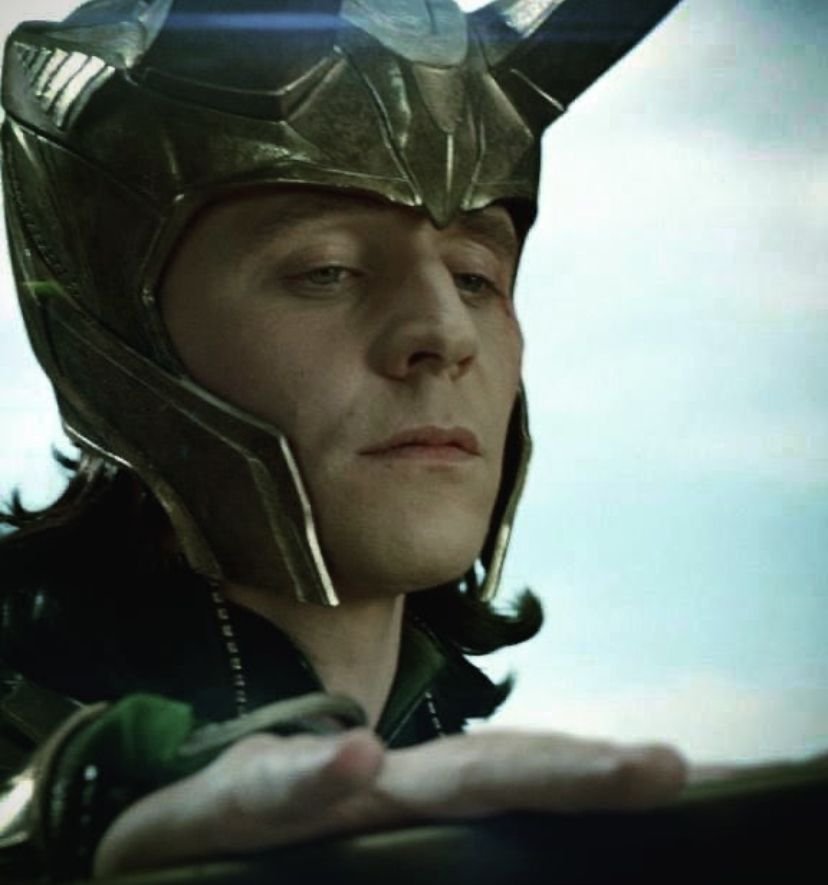
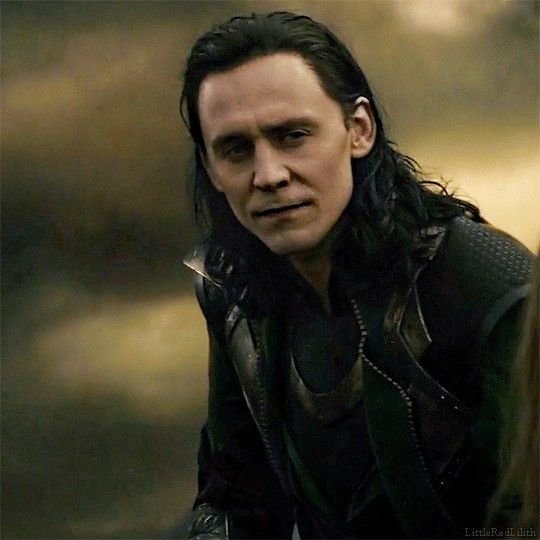
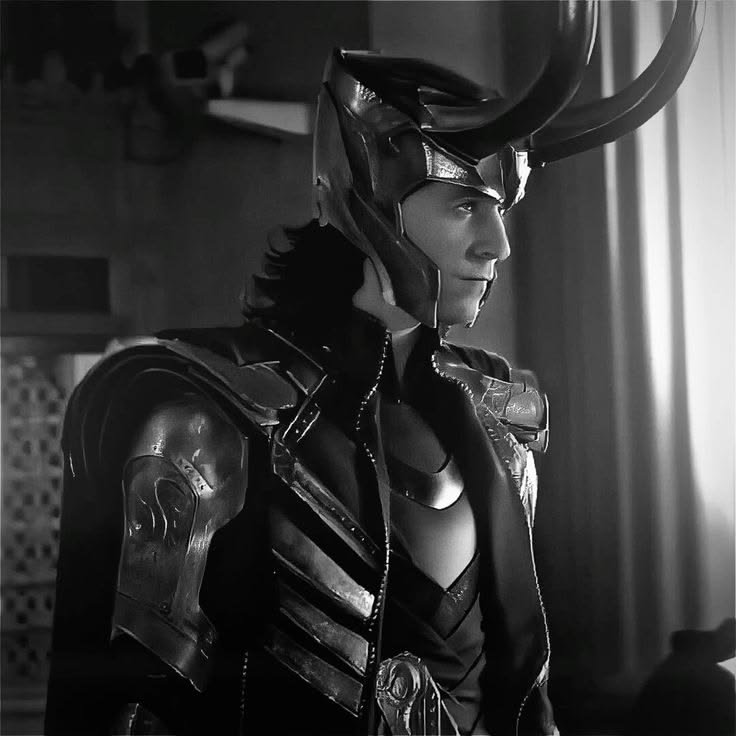
The film version of Loki, introduced in 2011's Thor and redesigned with sleeker proportions for 2012's The Avengers, swaps the comic's flowing cape for tighter black leather armor accented with green piping and gold detailing concentrated mainly around the horned helmet and chest plate. This version reduced the ornamentation of the comic design considerably, giving the character a more grounded, tactical silhouette that reads clearly on screen and, by extension, in a small avatar frame.
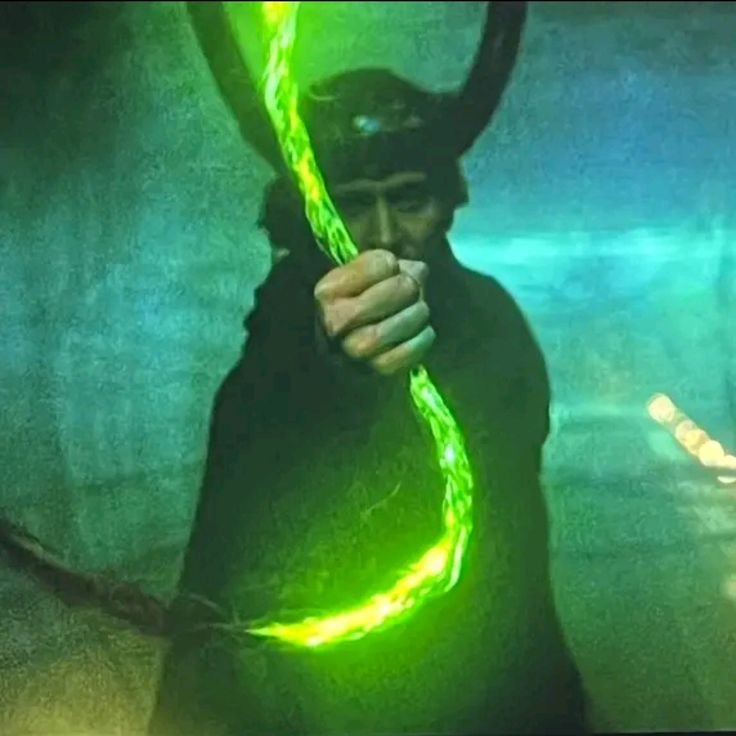
Color balance shifts here too. Where the comics lean heavily green, the MCU palette is closer to black-dominant with green and gold as accents rather than the base tone, which changes how the image behaves against different backgrounds. Expression in popular stills often captures a specific smirking or scepter-wielding moment from the character's Avengers appearances, giving fans a recognizable canon beat to draw from rather than a generic pose.
This is the most widely used Loki PFP across nearly every platform simply because it's the version most casual and dedicated fans alike recognize on sight, making it the safest default choice for broad appeal.
Lady Loki and Sylvie PFP
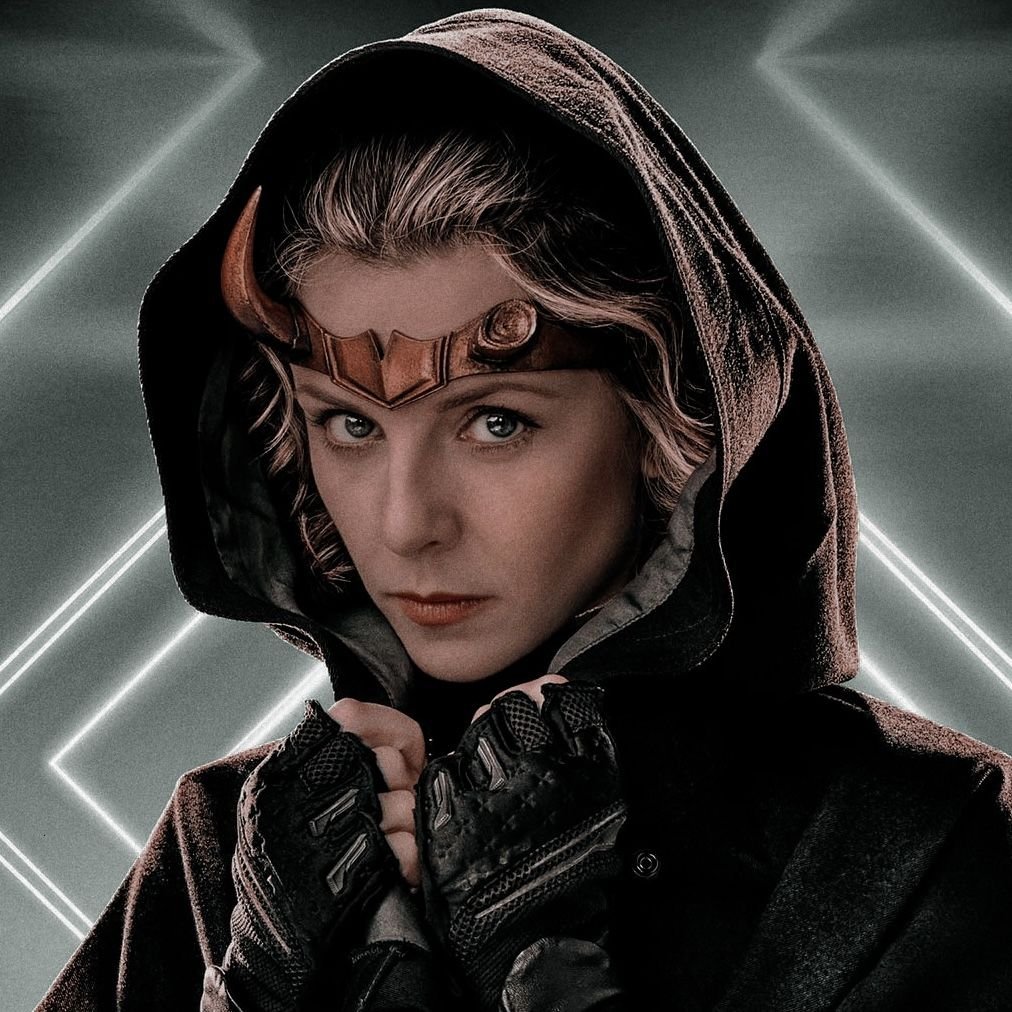
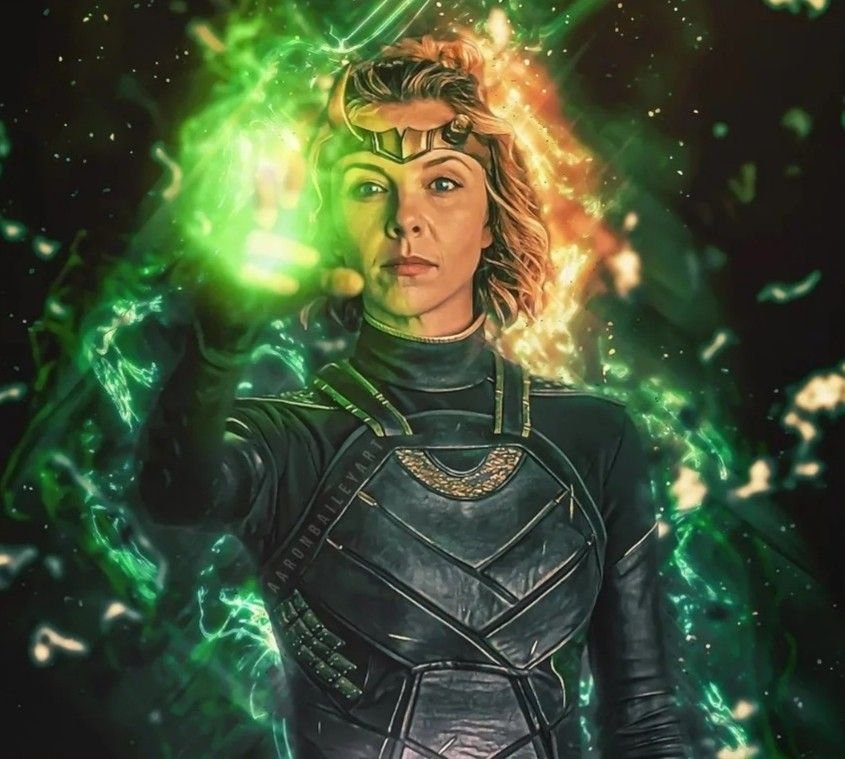
Introduced in Marvel comics as an alternate Loki identity and later reimagined as the variant character Sylvie in the Loki Disney+ series, this version keeps the green-and-gold color language while restyling it into a distinctly different silhouette — a flowing green cloak, blonde hair, and a more understated helmet or headpiece compared to the classic horned design. The costume change is deliberate: it signals a related-but-separate identity rather than a simple recolor.
Lighting in fan renders of this version often favors warmer, golden-hour tones rather than the colder, moodier lighting common in classic or MCU Loki imagery, matching the character's more grounded, less theatrical presentation in her own storyline. Backgrounds frequently reference the Sacred Timeline or TVA aesthetic from the series rather than Asgard specifically.
This version has become a strong choice for fans who want to reference the character's identity fluidity directly, and it's particularly popular within LGBTQ+-inclusive fan spaces given Loki's canonical gender-fluid characterization in the comics and confirmed bigender identity introduced in the Disney+ series.
President Loki PFP
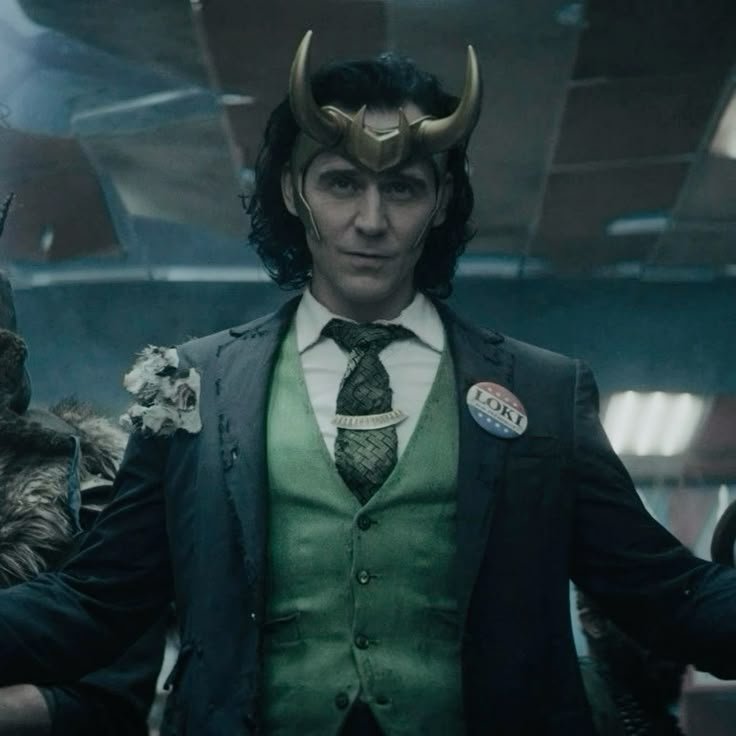
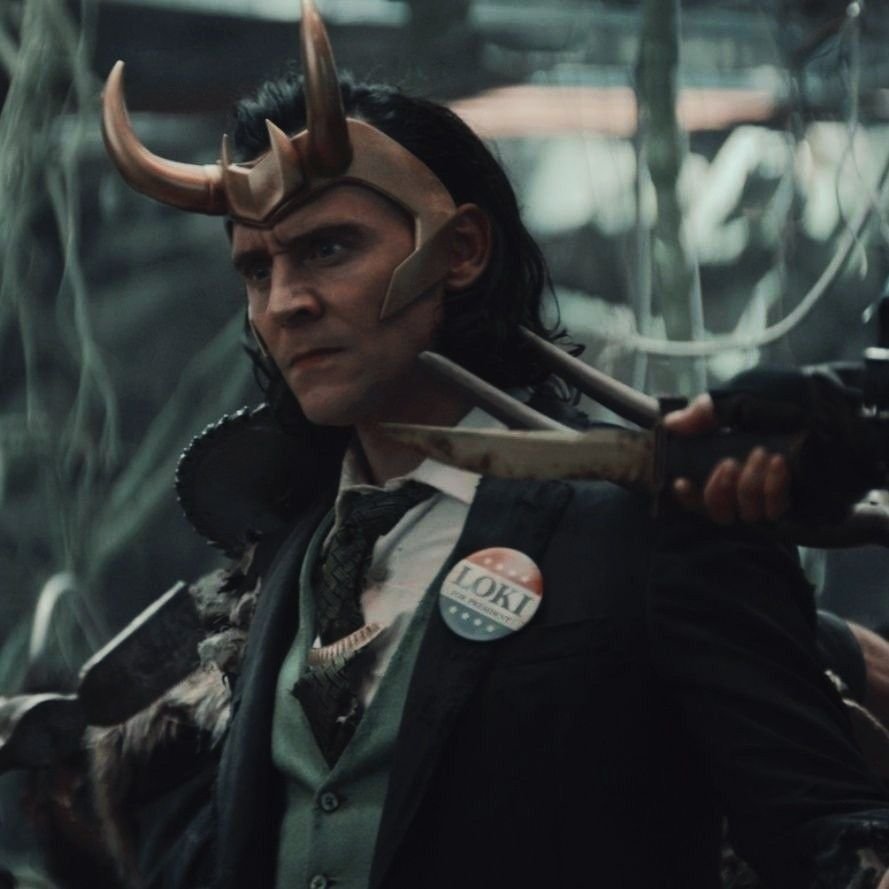
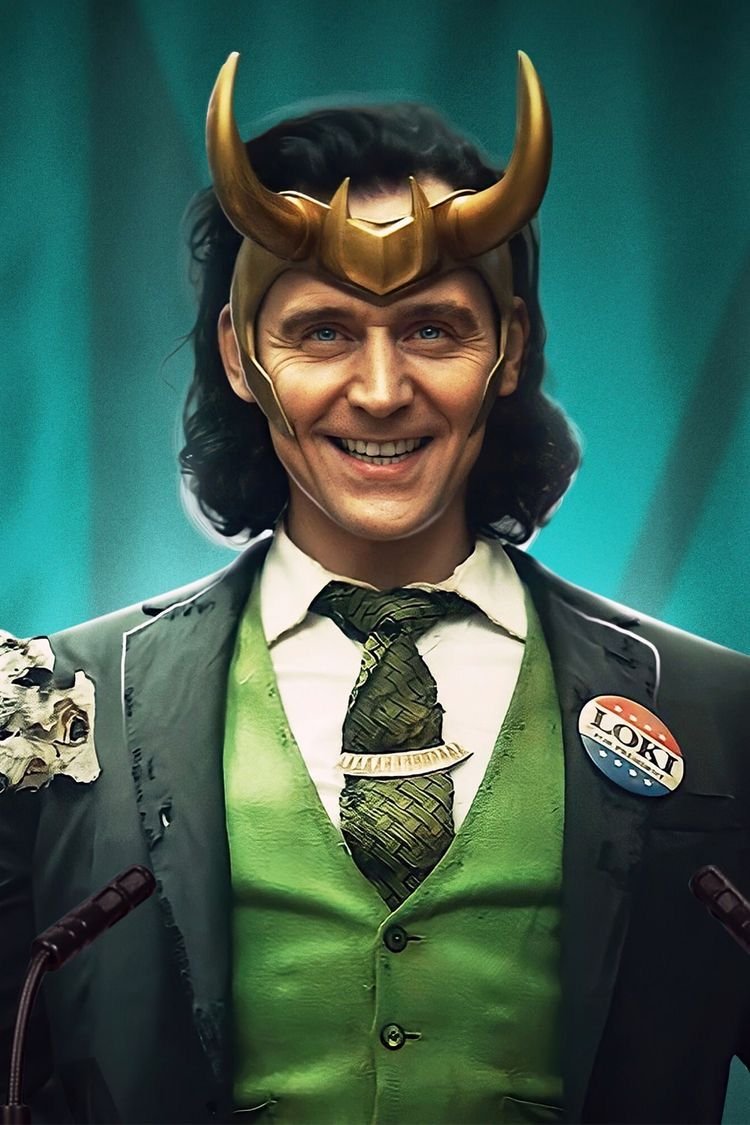
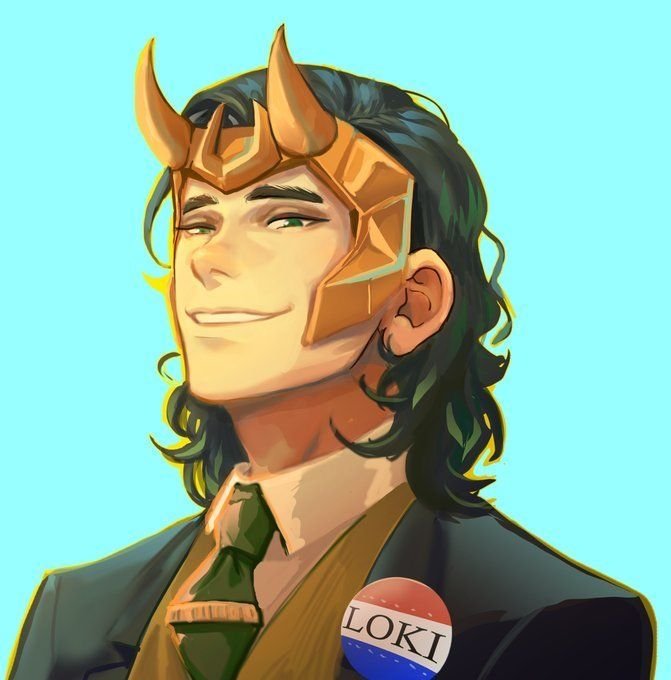
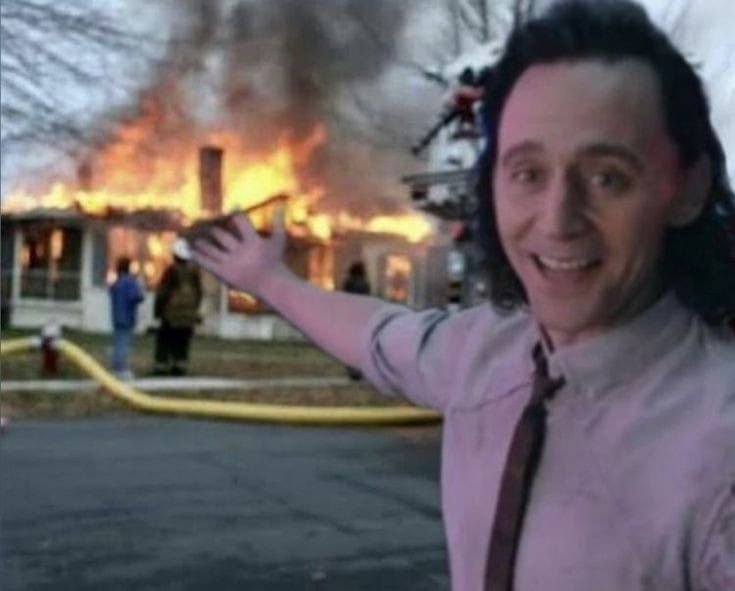
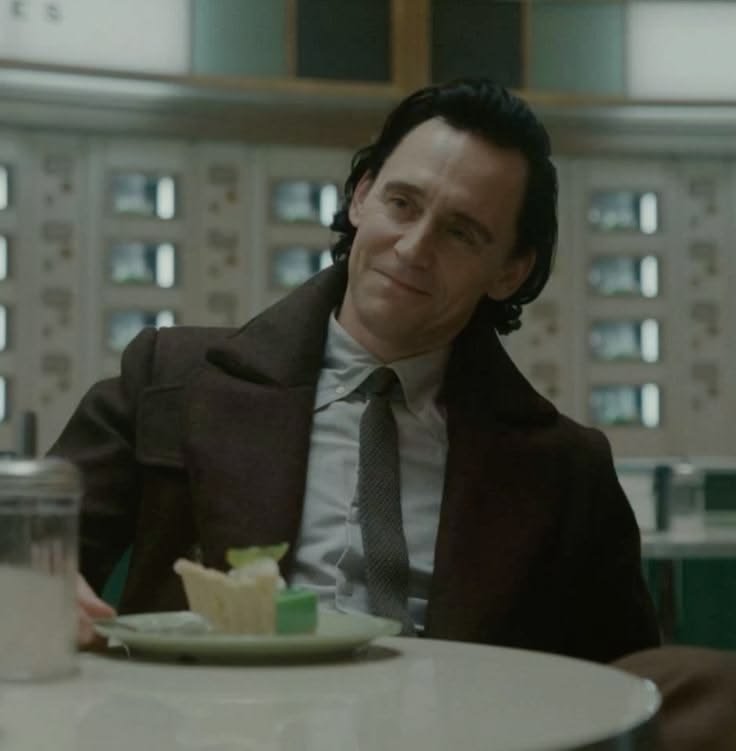
A variant introduced in the Loki Disney+ series, President Loki reimagines the character in an exaggerated political aesthetic — slicked hair, a formal suit in muted gold and dark tones, and a self-satisfied grin that leans into camp rather than menace. Unlike the more regal or tactical versions, this look plays the character for dark comedy, and fan use of this PFP tends to reflect that same tone.
The palette here shifts away from the saturated green most other versions rely on, favoring instead muted browns, golds, and a generally more desaturated look consistent with the character's brief, chaotic appearance in the series. Lighting in popular stills tends to be flatter and more evenly lit, matching the mundane bureaucratic setting the character appears in rather than any dramatic Asgardian backdrop.
This version thrives specifically in meme and funny-PFP contexts, where fans use the character's absurdist reinvention as a punchline-ready avatar rather than a straightforward hero or villain portrait.
God of Stories Loki PFP
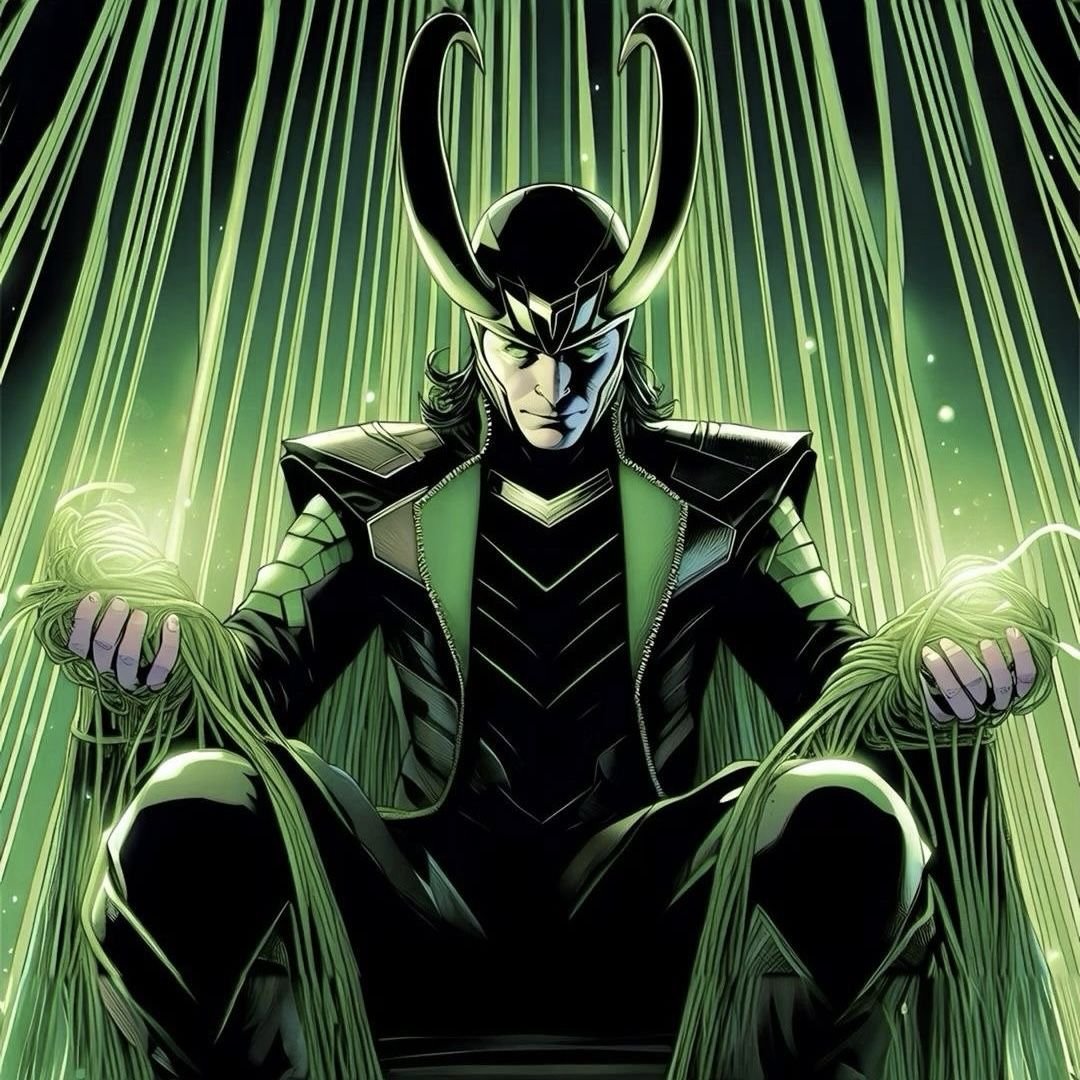
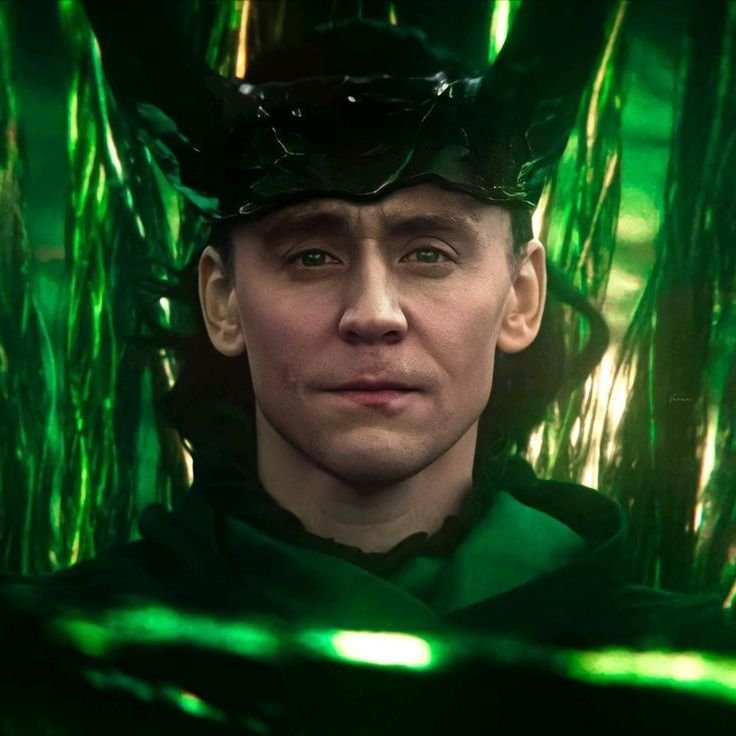
The final major redesign draws on Loki's evolution into the God of Stories, a wiser, more introspective incarnation that carries the weight of his multiversal story. These images favor quieter compositions — softer lighting, regal but restrained costuming, and expressions that read as reflective rather than scheming.
For fans who followed the character's full arc through the Disney+ series, this version signals completion: the trickster grown into something larger. It suits profiles that want Loki's presence without the mischief-first energy of earlier designs.
More Loki PFPs
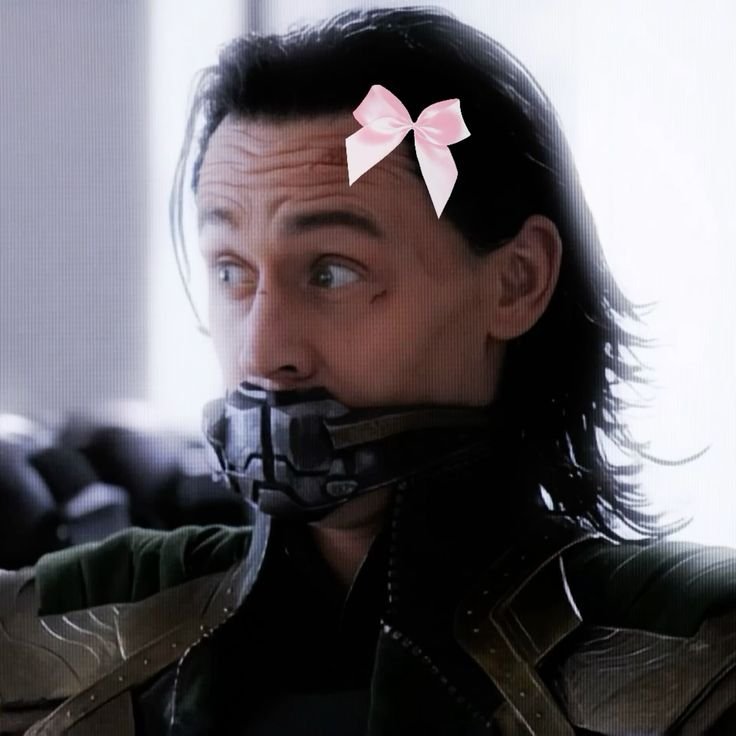
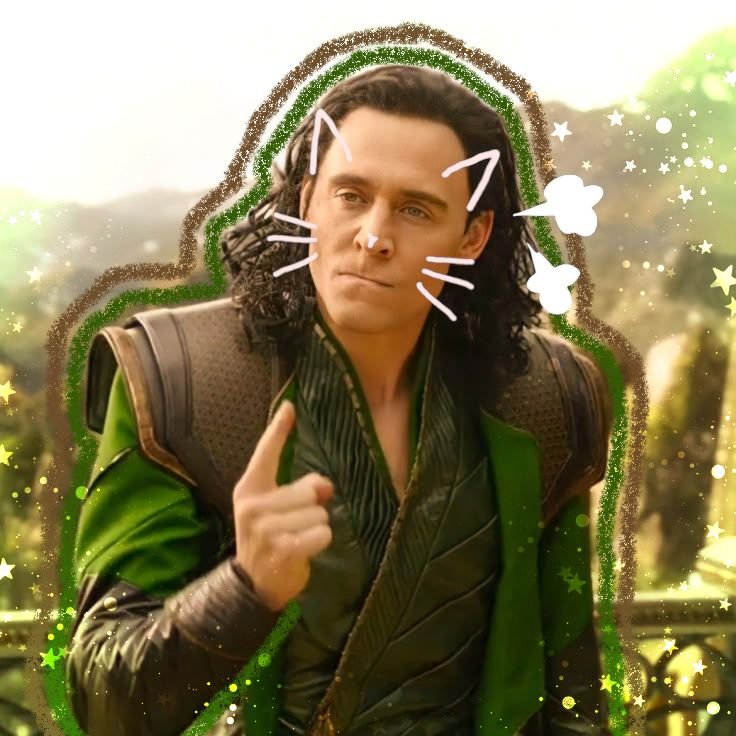
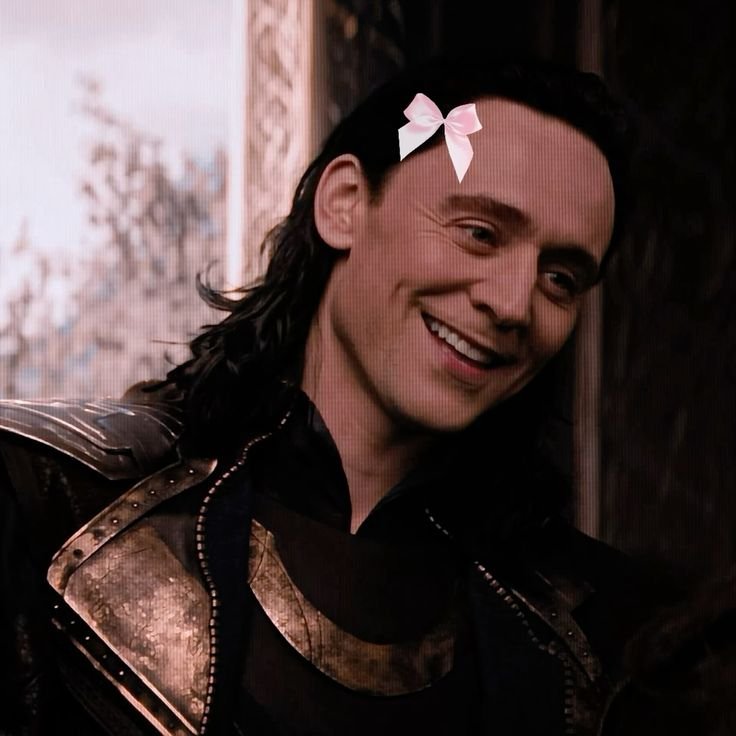
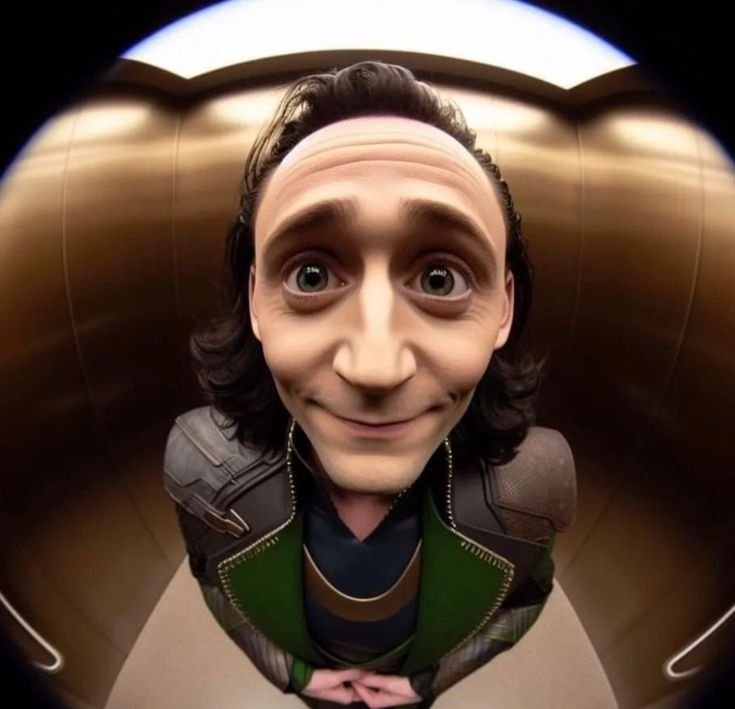
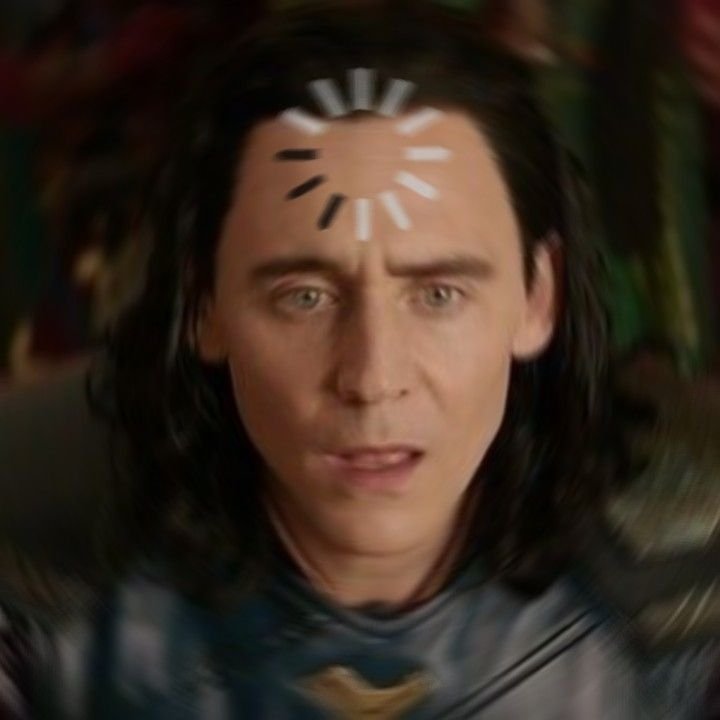
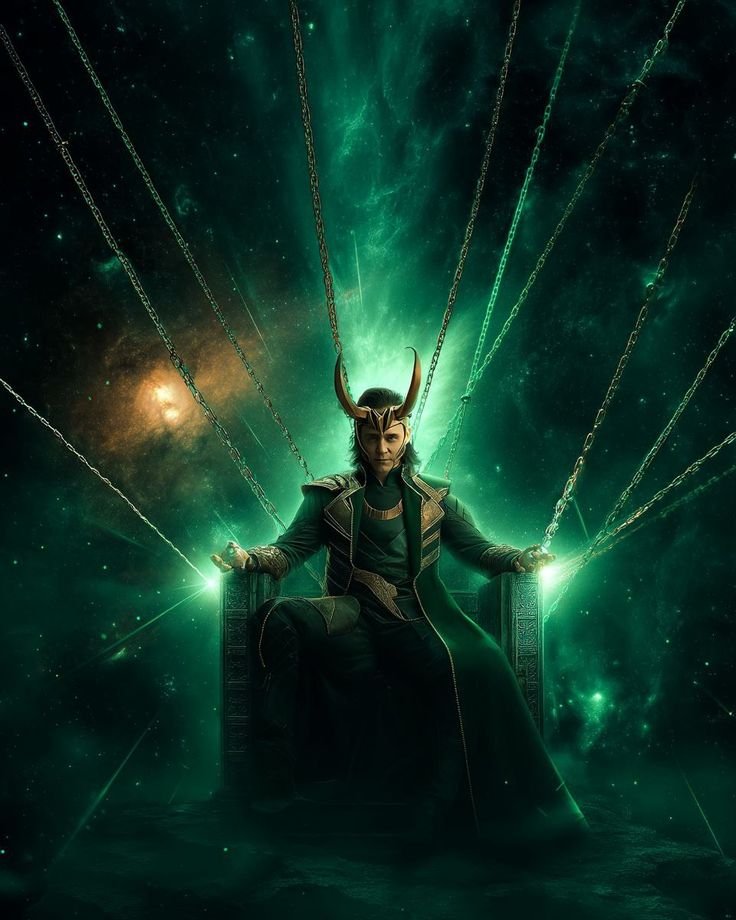
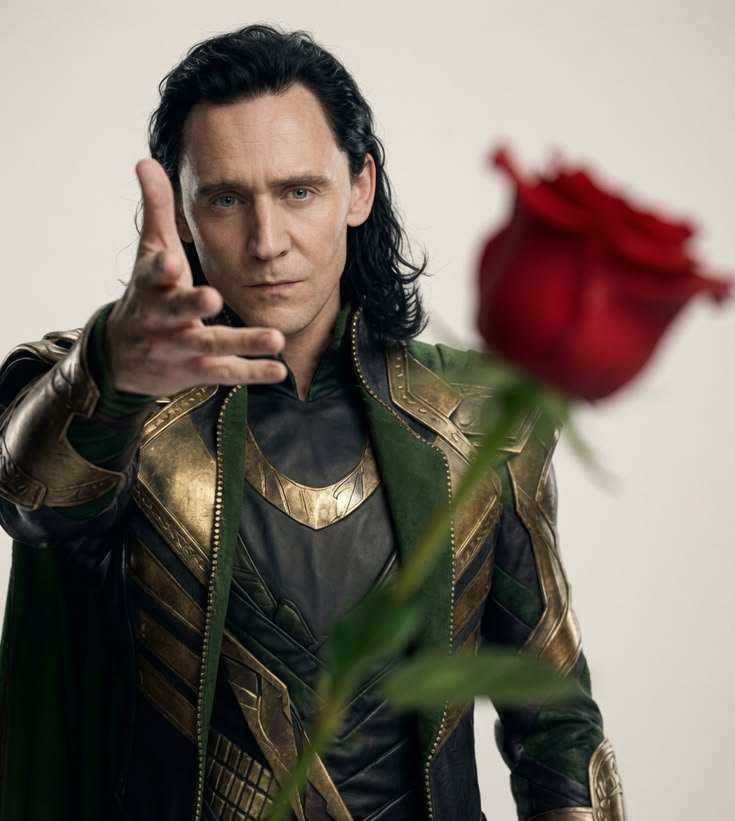
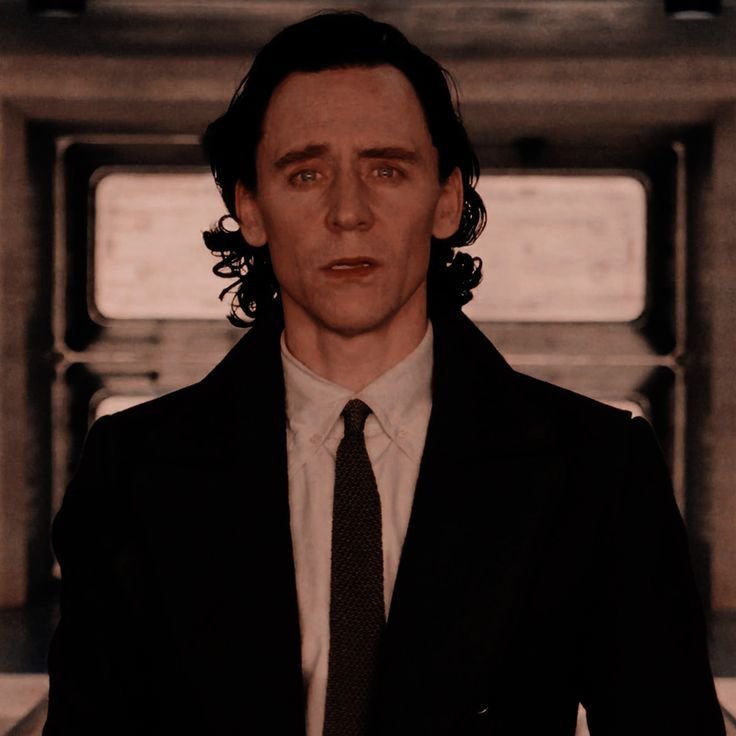
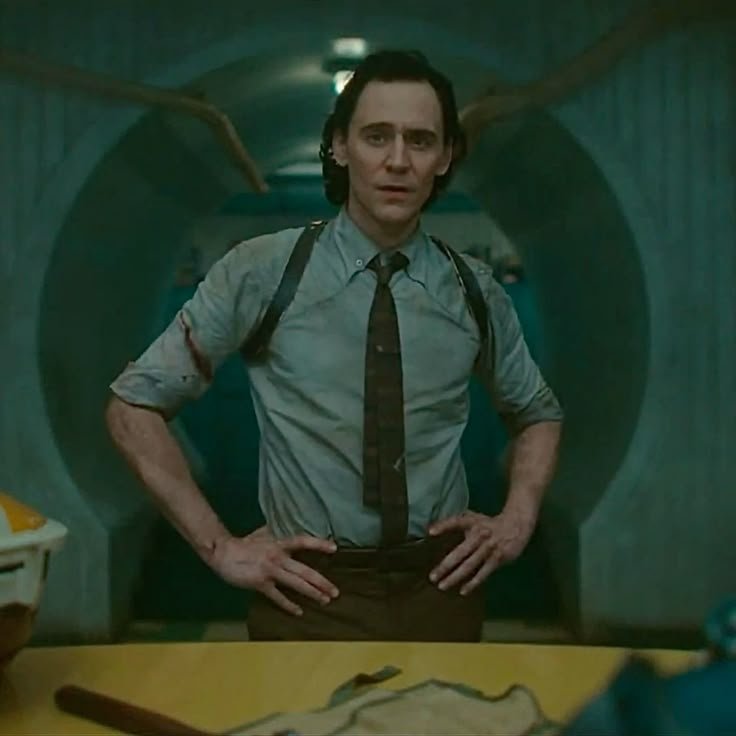
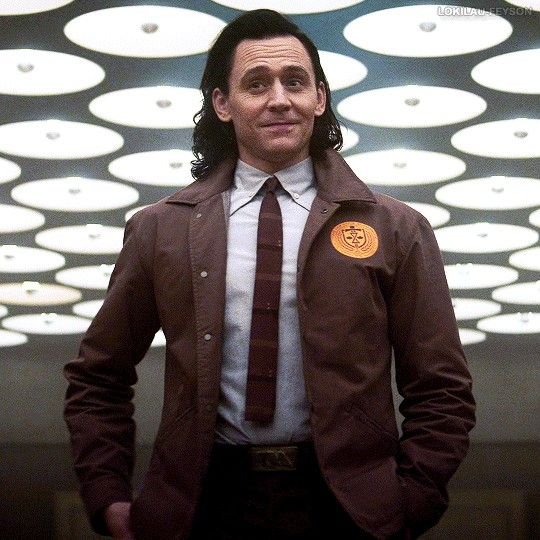
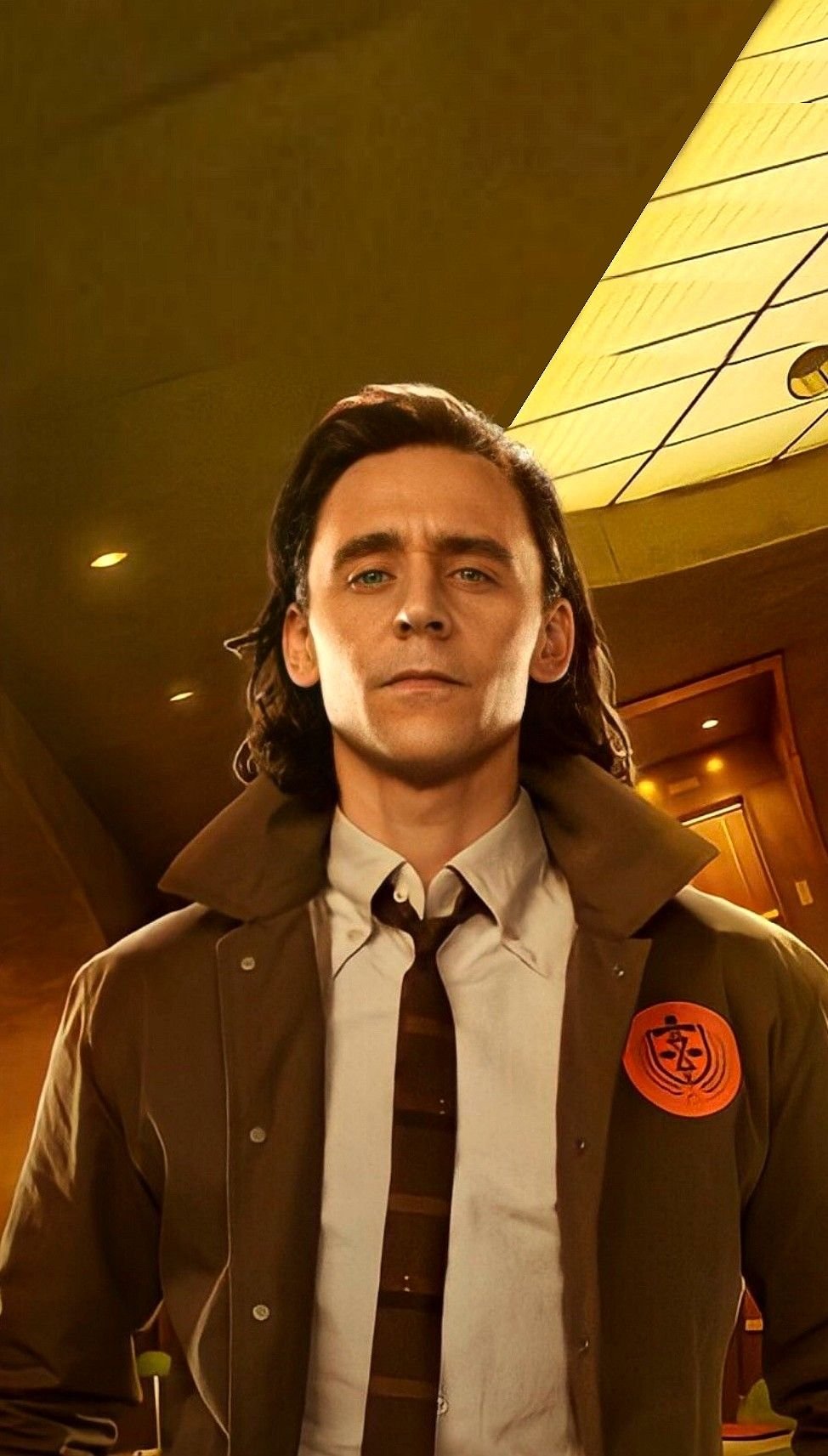
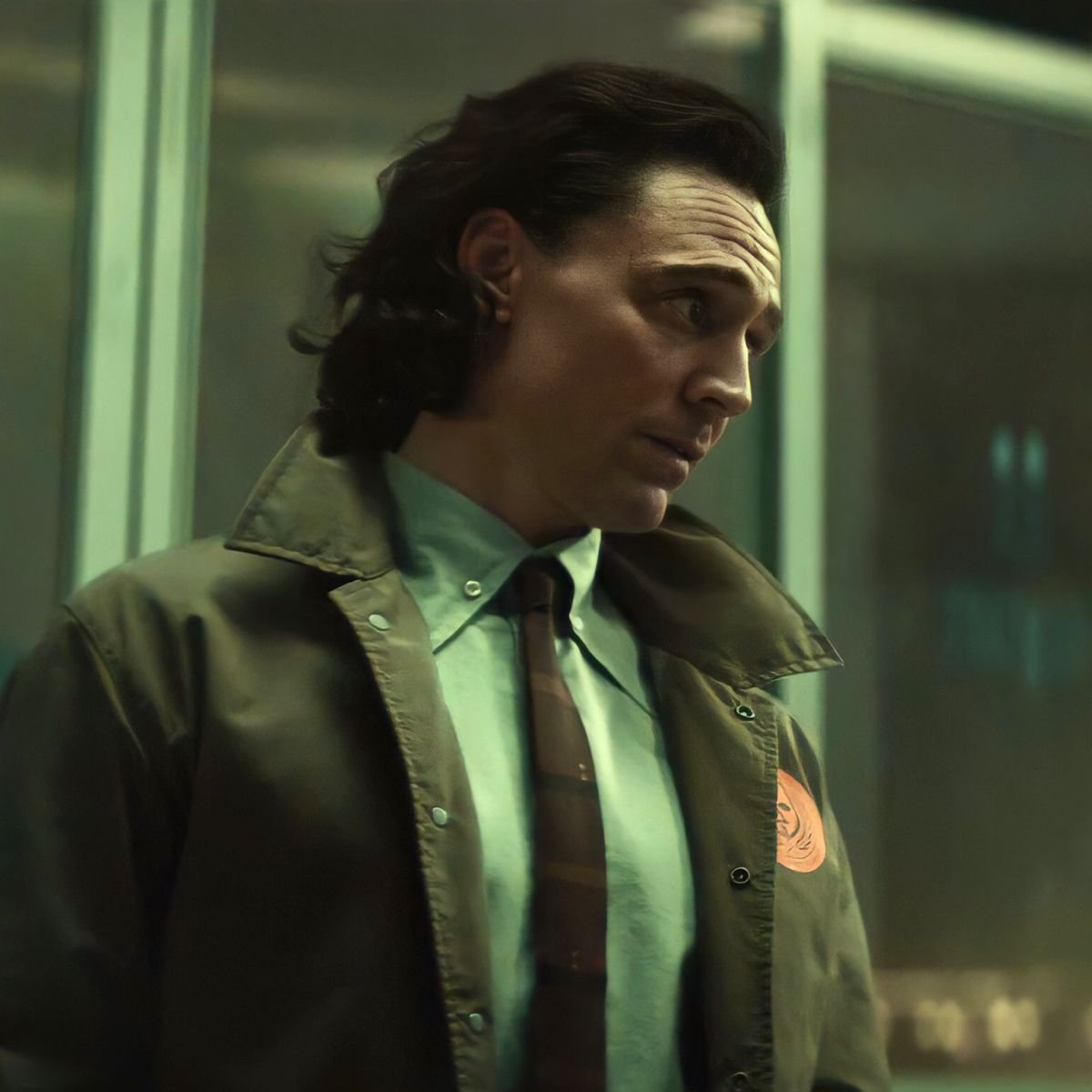
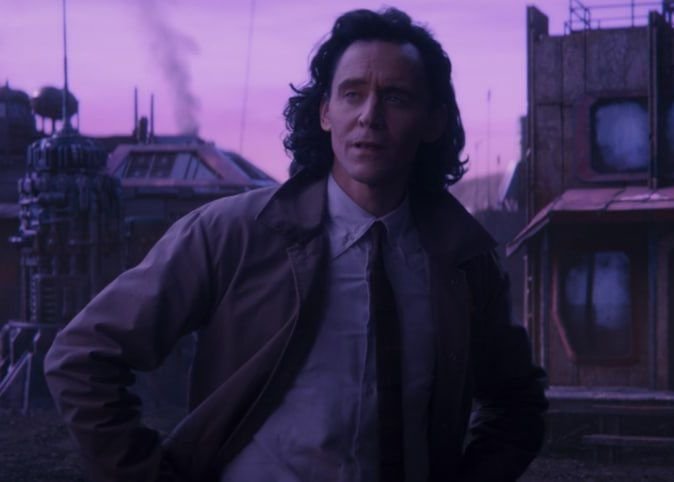
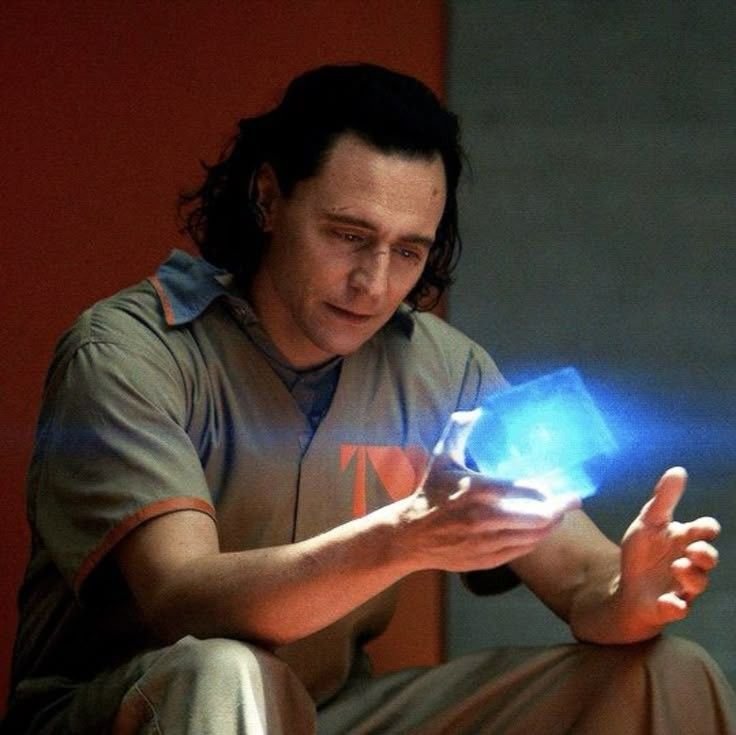
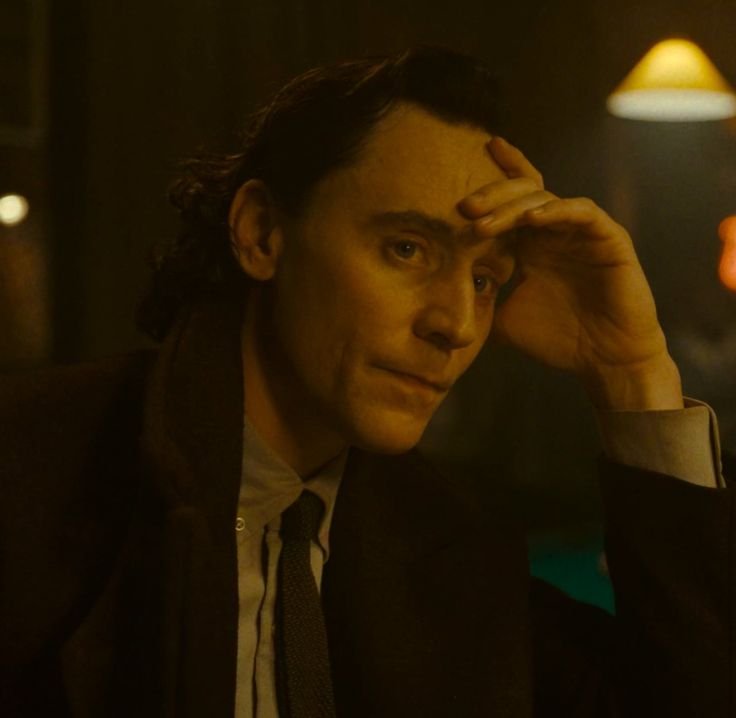
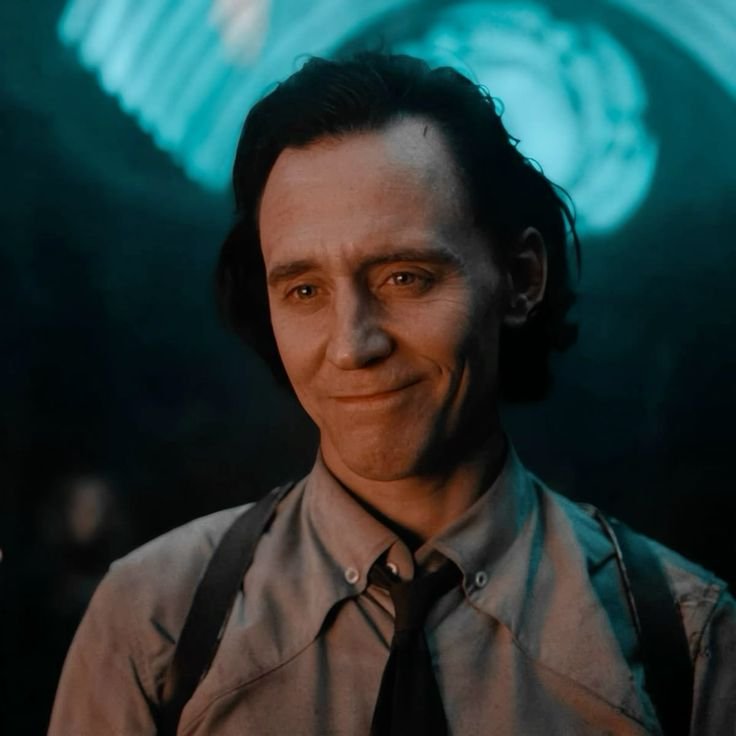
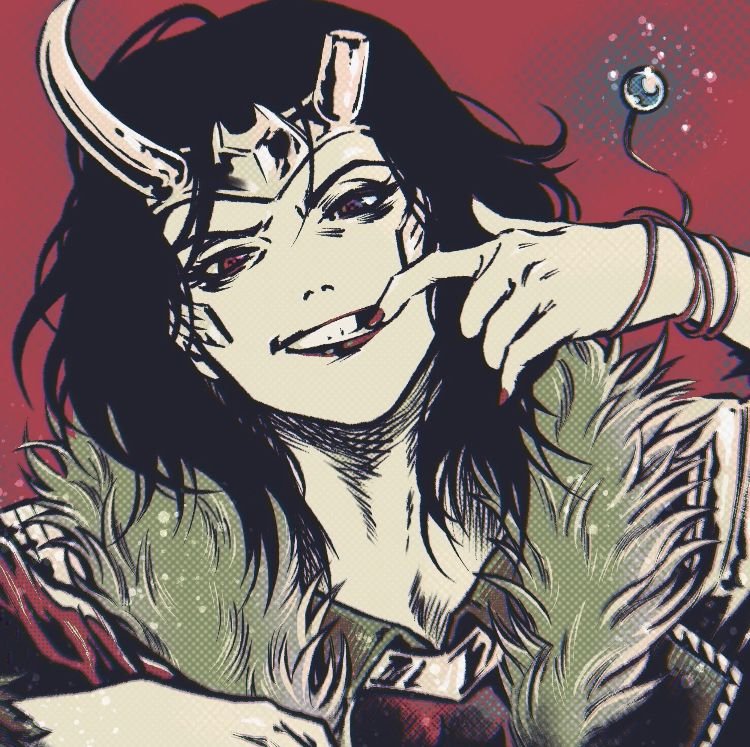
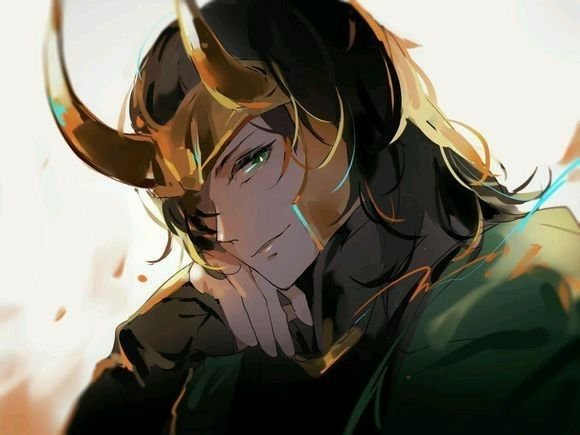
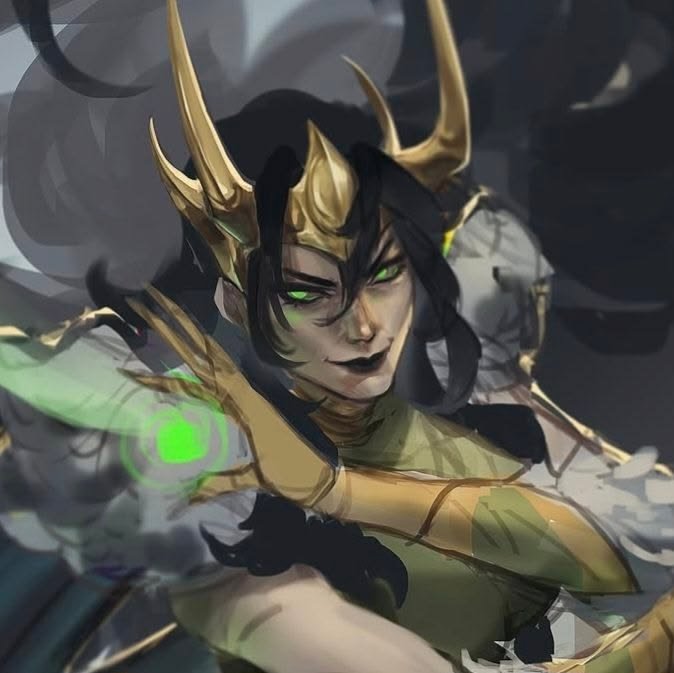
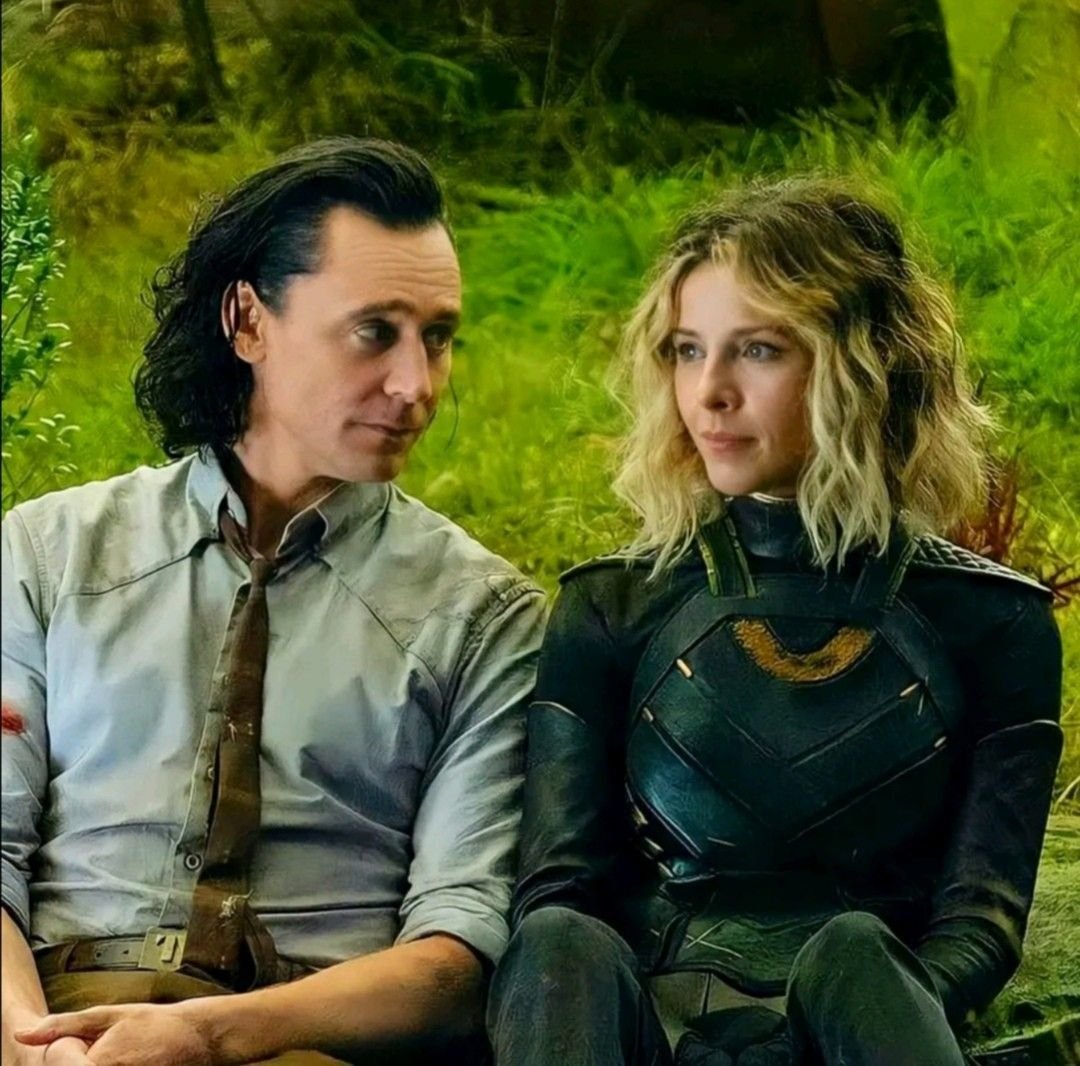
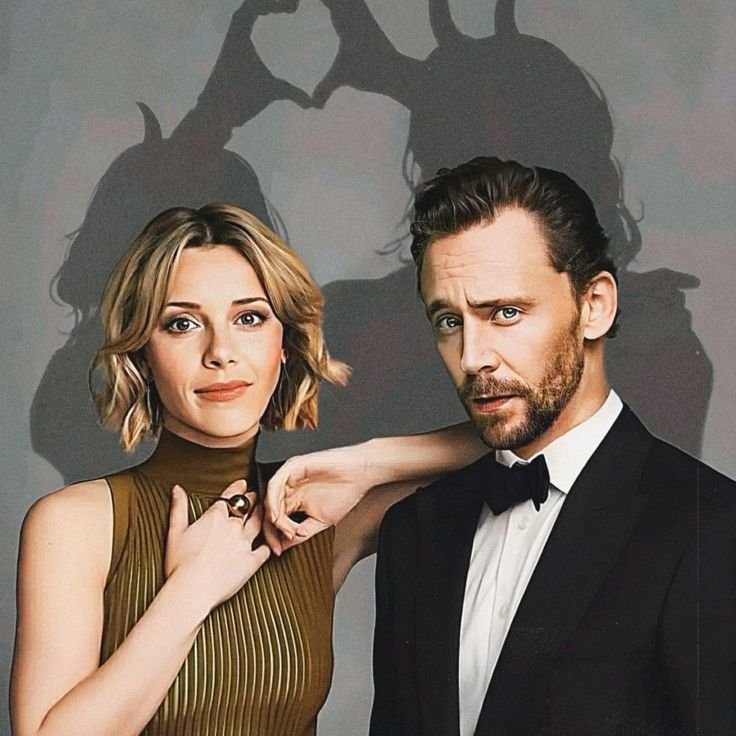
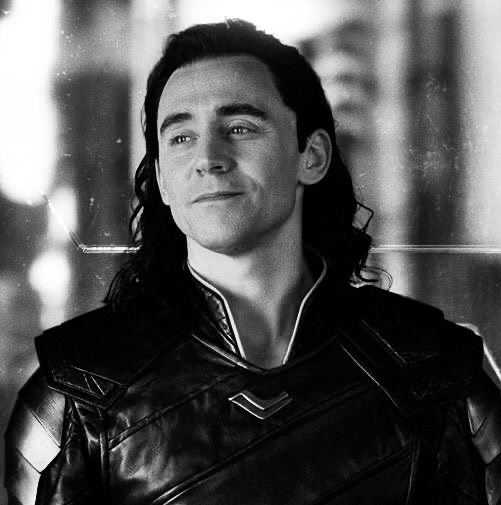
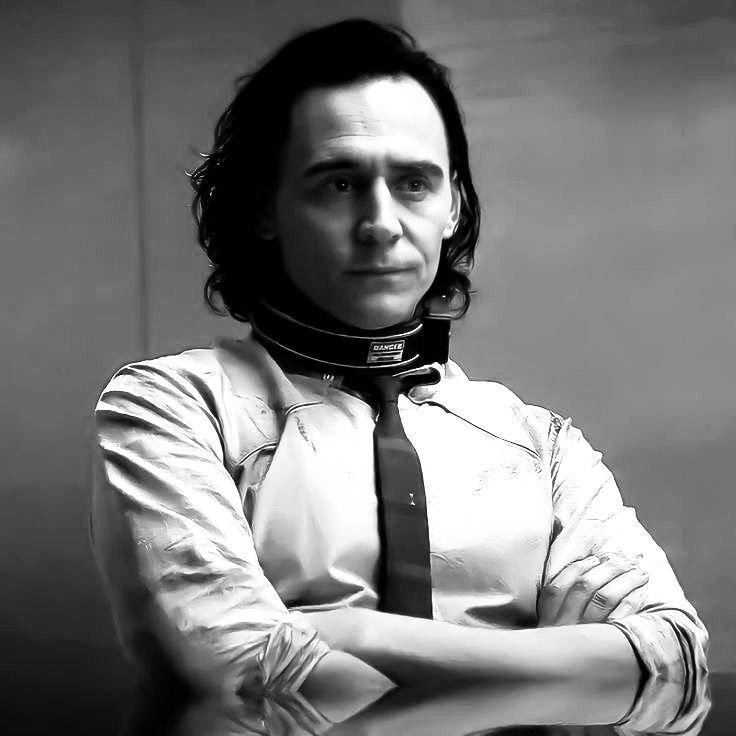
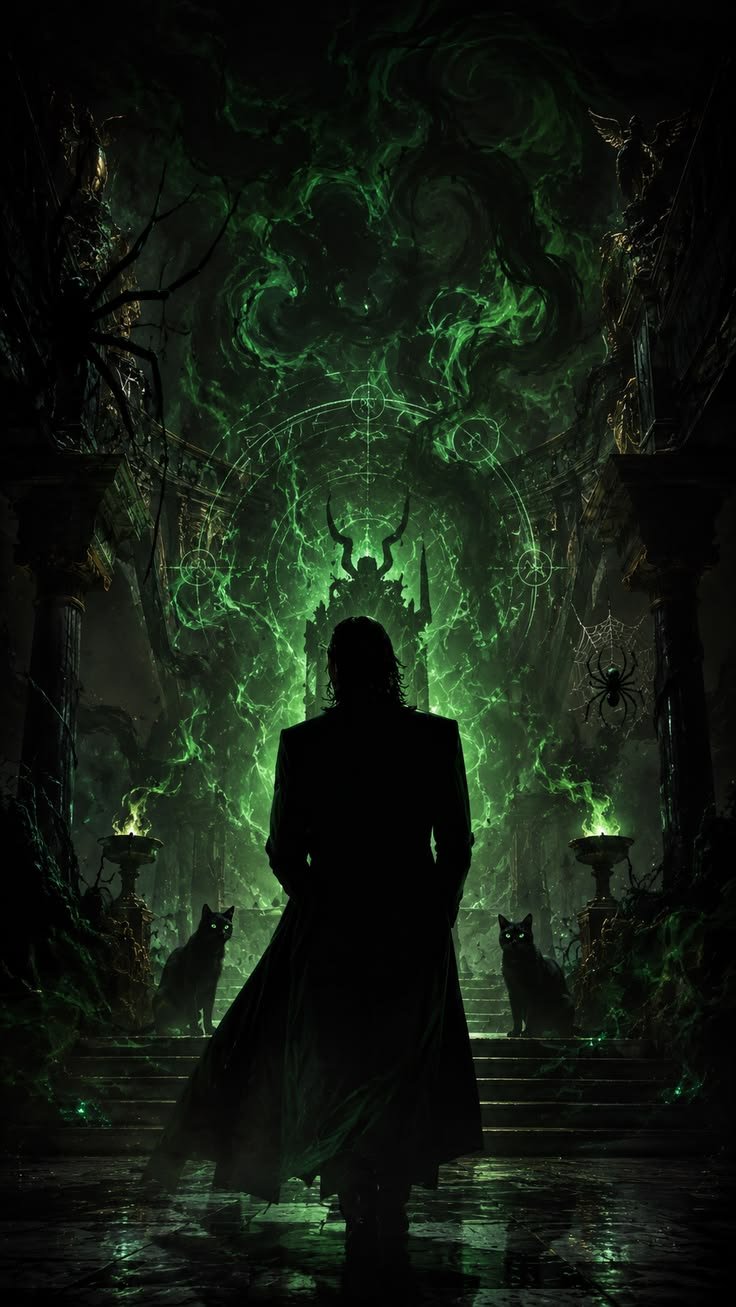
Browse the full gallery below — tap any image to view it full size, then save it as your profile picture.




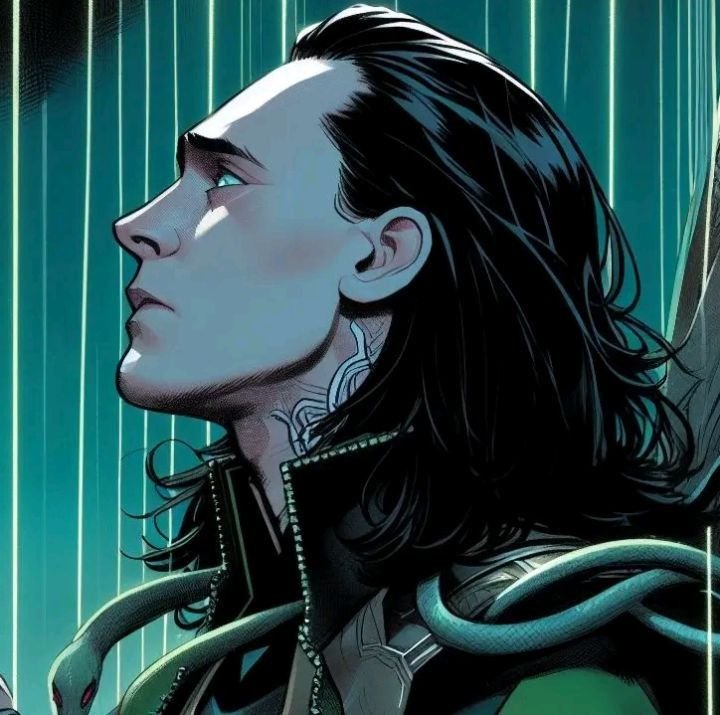
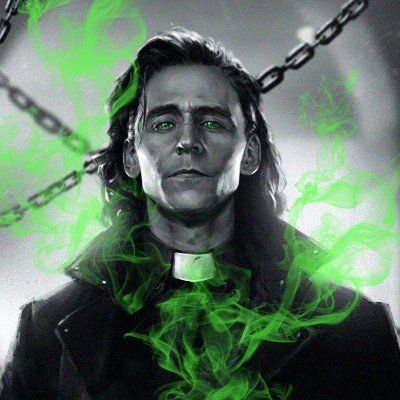








Frequently Asked Questions
Which Loki version makes the best PFP?
It depends on your fandom. The MCU design is the safest default for broad recognition; classic comic Loki signals deep comics credibility; President Loki suits meme profiles.
What makes Loki's design so recognizable as an avatar?
The horned golden helmet functions almost like a logo, with a green-and-gold color scheme that's distinct even at tiny sizes. Few characters offer this many genuinely different looks tied to one identity.
Why is Sylvie popular in LGBTQ+ fan spaces?
The variant keeps Loki's color language while restyling it into a distinct identity, resonating with fans drawn to the character's canonical gender-fluid characterization and the series' bigender confirmation.
Is President Loki good for funny PFPs?
Perfectly. The exaggerated political aesthetic and camp grin make it a punchline-ready avatar rather than a straightforward hero or villain portrait.
What crop works best for Loki PFPs?
Prioritize the horns and face. The silhouette alone often identifies the character before any facial detail, so tight crops on the head and shoulders perform best.