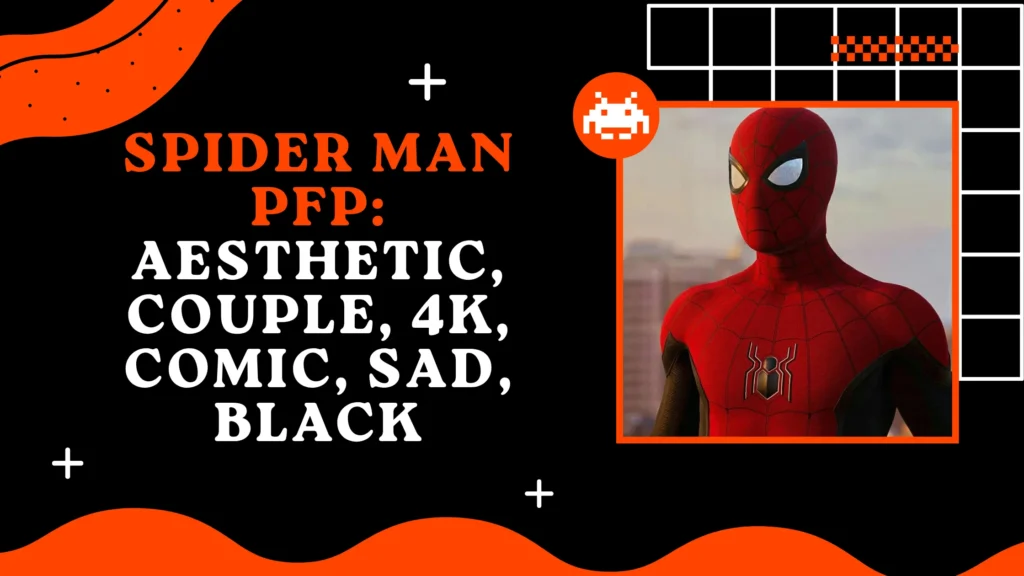
Spider-Man PFPs have become one of the most reliable ways to signal a specific kind of fandom online, and that traces directly back to a design choice Steve Ditko made when he co-created the character with Stan Lee for Amazing Fantasy #15 in 1962: hide the entire face behind a mask, then let two oversized white eye lenses carry every emotion instead. That is an unusual amount of expressive weight to load onto a shape most artists would treat as a minor detail, and it is exactly why the character keeps resurfacing as an avatar choice more than sixty years later.
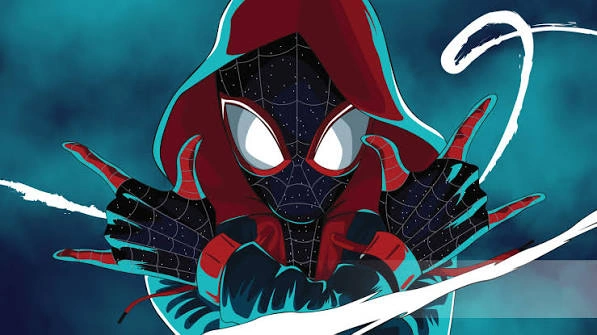
What makes Spider-Man specifically work as a PFP, rather than superheroes in general, is how much visual range that one costume has absorbed without ever losing recognizability: a red-and-blue suit that has been redrawn by dozens of artists, reduced to solid black for the symbiote costume, and flattened into halftone dots for Into the Spider-Verse, and it still reads as unmistakably Spider-Man in a tiny circle next to a Discord username.
Why a Good Spider-Man PFP Shapes Your Online Vibe
Every profile deserves a visual identity that feels personal and memorable. A thoughtfully selected Spider-Man PFP creates a balanced mix of confidence, creativity and emotional expression across every social platform.
Whether your style feels minimal, cinematic, playful or artistic, the right image helps build a recognizable presence. Soft lighting, expressive colors and memorable compositions naturally leave stronger first impressions while keeping your digital aesthetic consistent.
Aesthetic Spider-Man PFP
Aesthetic edits of Spider-Man tend to slow the character down deliberately, trading the swing for stillness: a figure seated on a fire escape railing, or framed in a doorway with rain streaking the mask. The palette shifts too, pulling the reds toward rust and the blues toward a near-navy, so the suit reads as mood rather than costume.
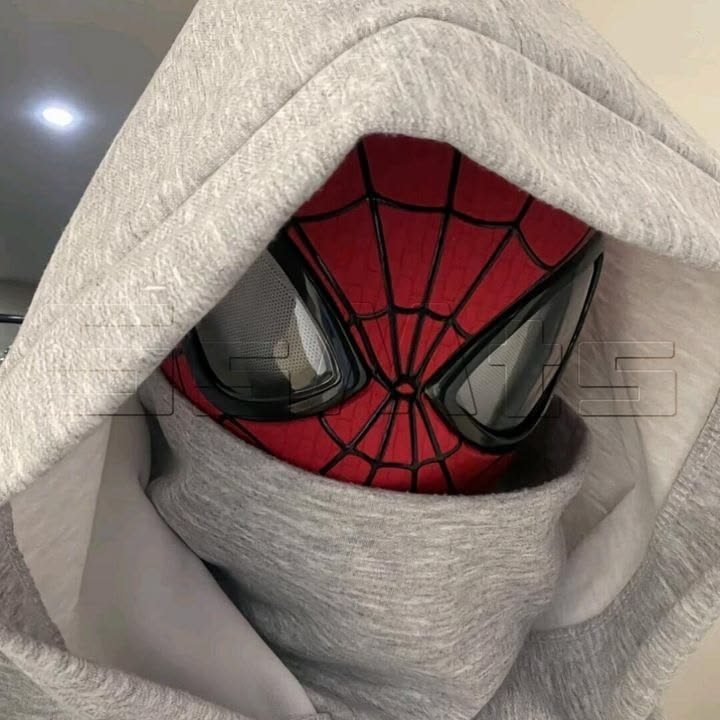
Because the mask removes any actual facial expression, these edits lean entirely on posture to do emotional work. A dropped head and slack shoulders against a dim window reads as exhaustion; a straight spine against open sky reads as resolve — the lens shape never has to change for either.
Backgrounds stay sparse on purpose. A single window frame, a stretch of brick or blurred string lights does more for this style than a detailed skyline would, since aesthetic PFP culture generally favors quiet composition over spectacle.
Cool Spider-Man PFP
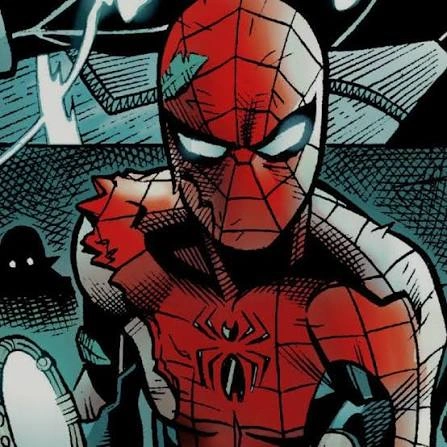
"Cool" Spider-Man edits go the opposite direction, chasing motion and angle instead of stillness. This is where Ditko's original layouts still matter: his 1960s panels put Spider-Man in contorted, off-balance poses that most other superhero artists of that era avoided, and modern edits mining that archive still look sharper for it.
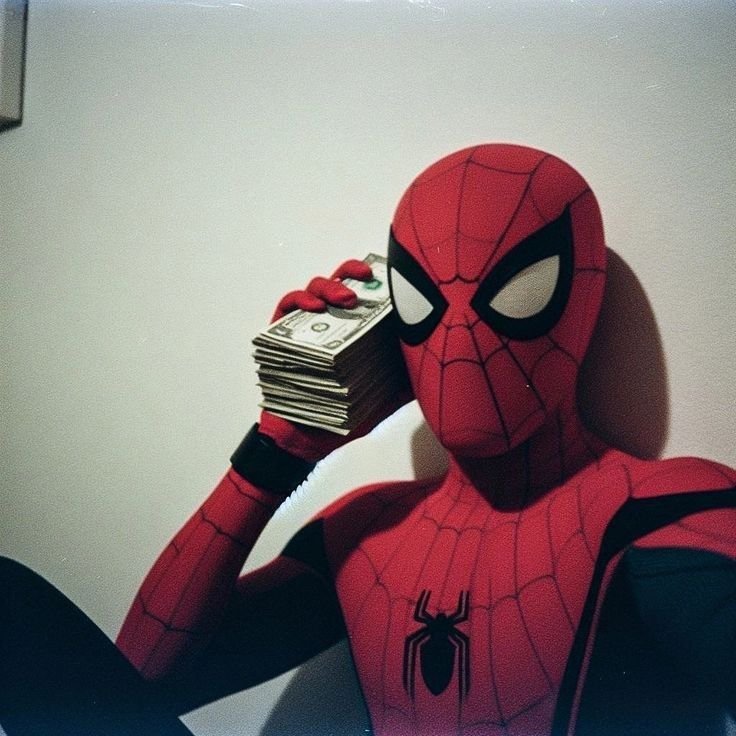
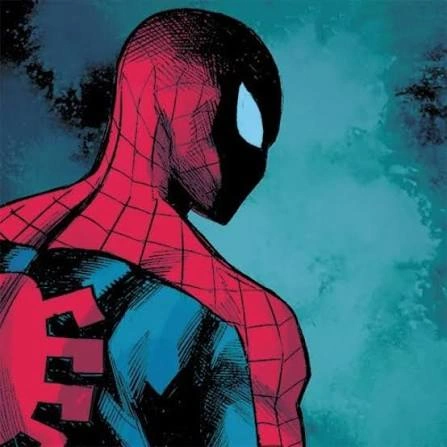
Lighting turns hard and directional here, with a rim light tracing the suit's edge against a near-black backdrop, letting the red isolate itself instead of blending into a busy scene. Some fan edits pull specifically from Todd McFarlane's late-1980s run, known for thickening the webbing into a dense, almost overgrown pattern across the whole suit.
The tone skips playful entirely. This category treats Spider-Man closer to a predator crouched on a ledge than a wisecracking neighborhood hero, which is a deliberate reversal of how most casual fans picture him.
Funny Meme Spider-Man PFP
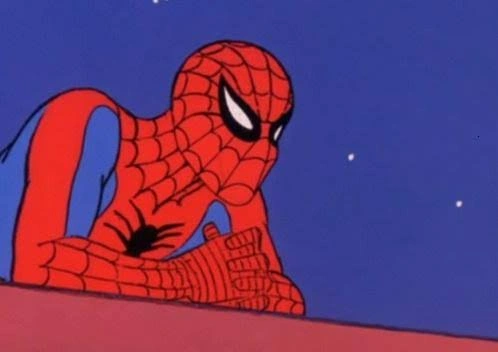
No Spider-Man PFP category carries more built-in recognition than the pointing meme, sourced from "Double Identity," the nineteenth episode of the 1967 animated series, where the real Spider-Man and a costumed impostor accuse each other by pointing in unison. Crops built around that single freeze-frame lean entirely on comedic timing rather than atmosphere.
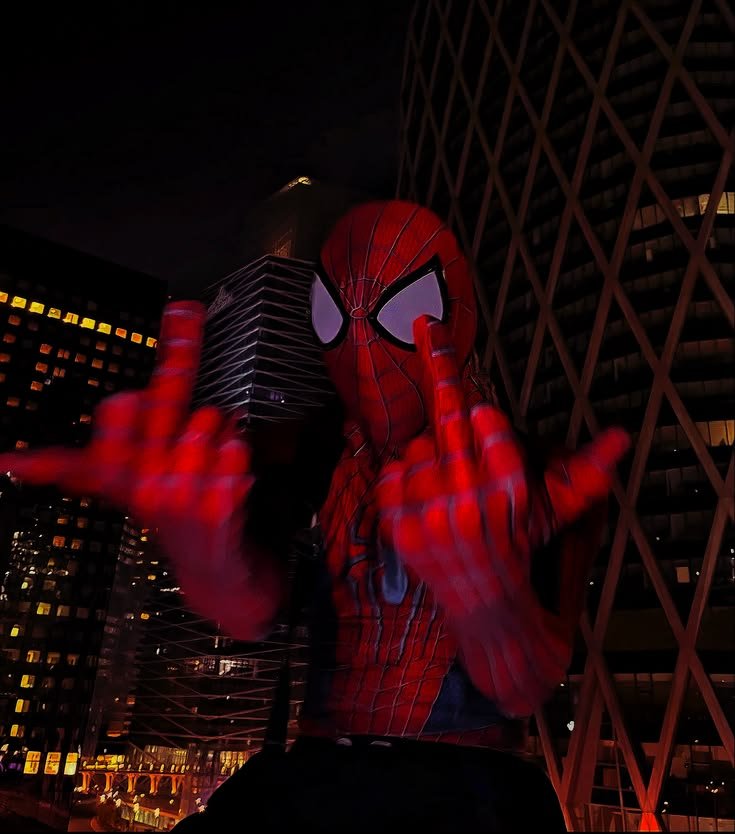
The joke got an unexpected canon upgrade in 2018, when Into the Spider-Verse restaged the pose as a genuine gag between Spider-people from alternate universes during the film, giving the meme a legitimate source inside the story alongside the original cartoon still.
This is the one Spider-Man PFP style built entirely around self-aware humor instead of mood. It thrives specifically in group chats and Discord servers, where an ironic avatar says more about personality than fandom depth.
4K Spider-Man PFP
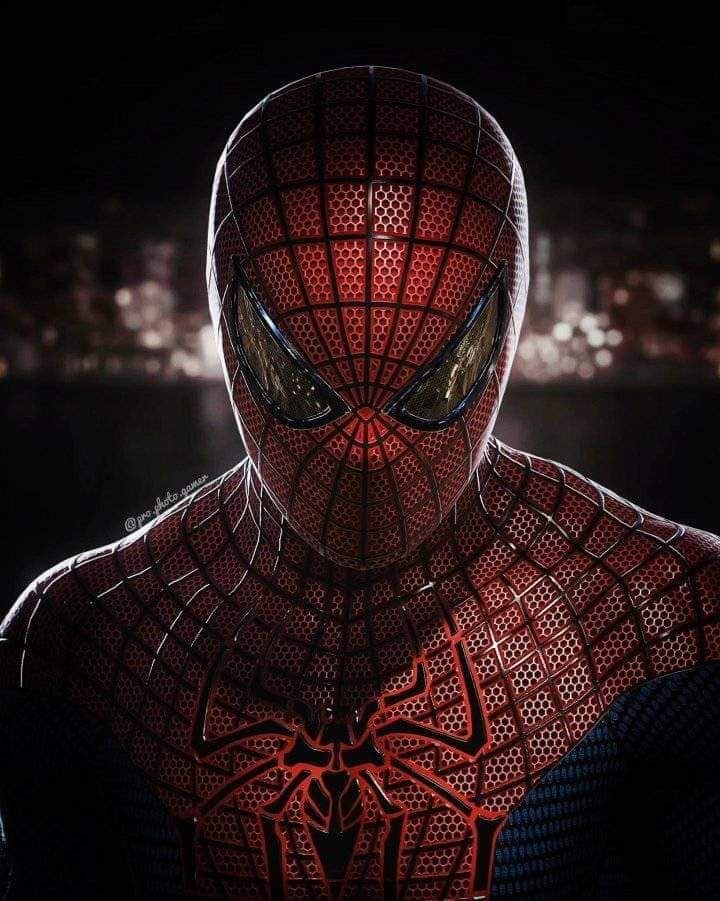
High-resolution Spider-Man art matters because the webbing pattern is one of the first things compression destroys: what should read as a fine, deliberate grid collapses into gray static once an image gets pushed through enough re-uploads. Fans chasing 4K sources are usually after clean digital renders or uncompressed comic scans specifically to preserve that grid.
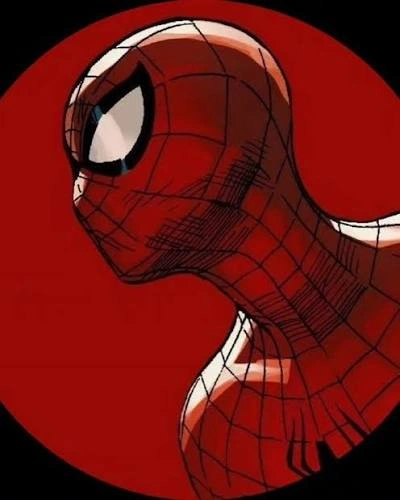
At full resolution, the eye lenses reward close inspection in a way low-quality images cannot. Ditko originally drew them oversized specifically so Peter Parker's face would stay completely hidden, unlike heroes such as Batman whose jawline still shows — a design decision that only pays off visually when the shape stays crisp enough to read subtle narrowing or widening.
Because the classic suit runs on just three core colors, sharpness alone does most of the work at high resolution. There is no need for added texture or noise; clean edges on red, blue and black carry the whole image.
Black and White Spider-Man PFP
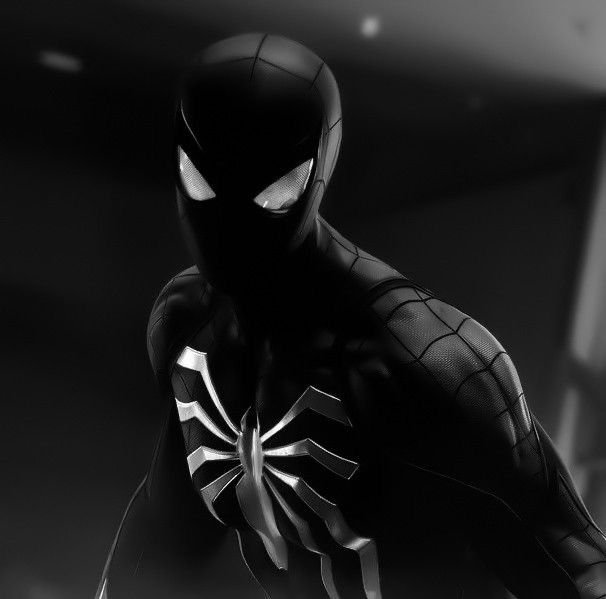
Stripped of color entirely, Spider-Man still holds together because the eye-lens shape alone is enough to identify him — no other Marvel character shares that exact silhouette. That is a useful stress test for how strong the base design actually is.
Monochrome edits also connect back to the character's original medium more directly than colorized versions do: Ditko's 1962 pages were inked in black and white before Marvel's four-color separation process ever touched them, so stripped-down PFPs echo that print-era linework rather than imitating it from scratch.
Tone shifts noticeably here. Without red and blue softening the image, black-and-white Spider-Man reads closer to a street-level vigilante than the quippy hero most adaptations lean into — a serious register the character rarely gets outside symbiote-suit storylines.
Symbiote Suit Spider-Man PFP
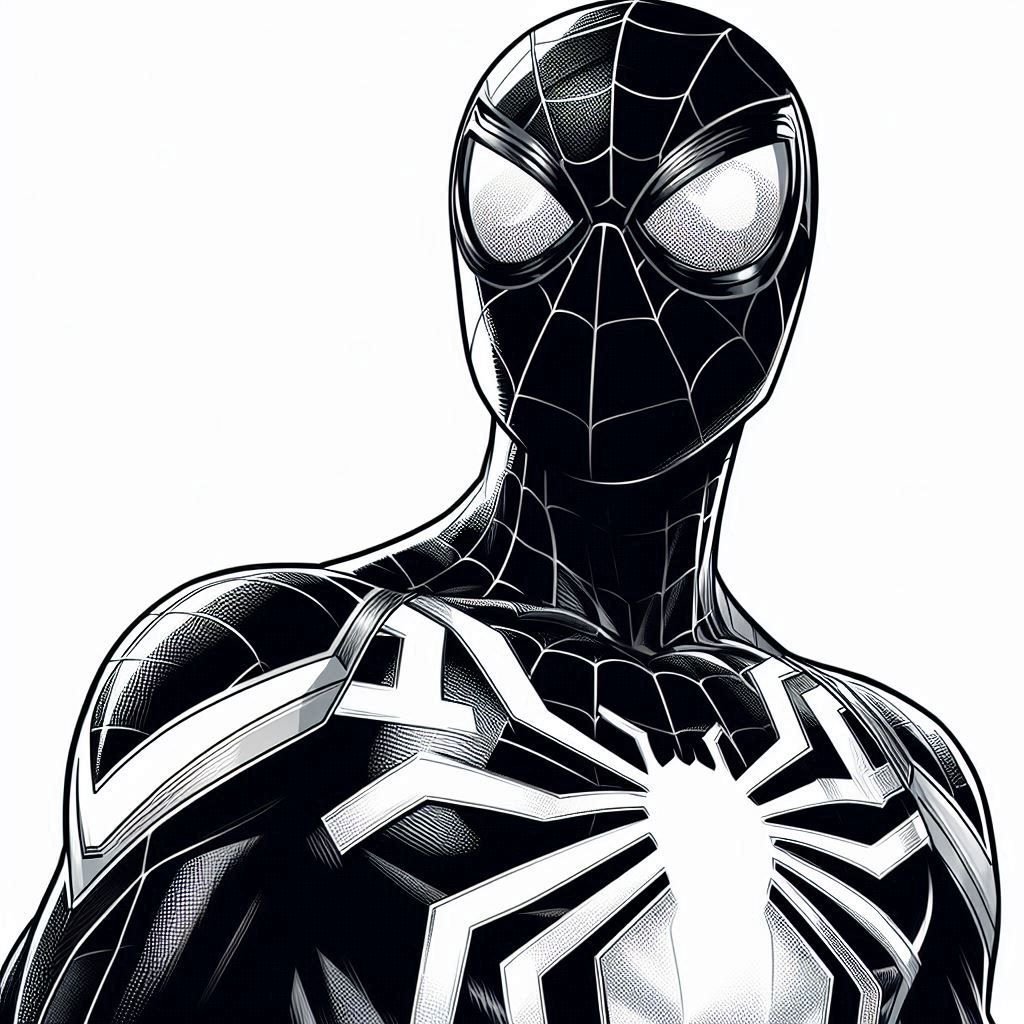
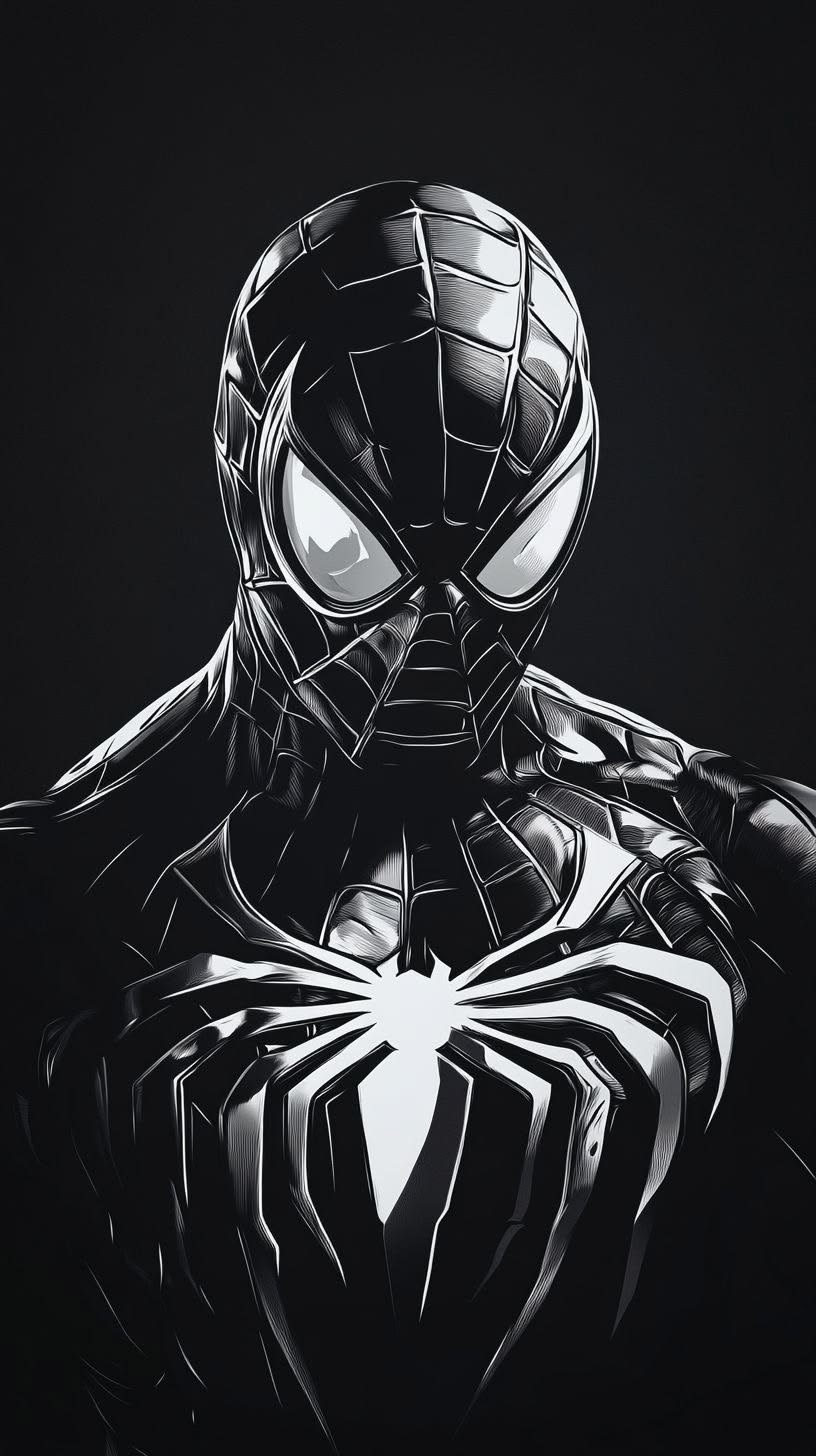
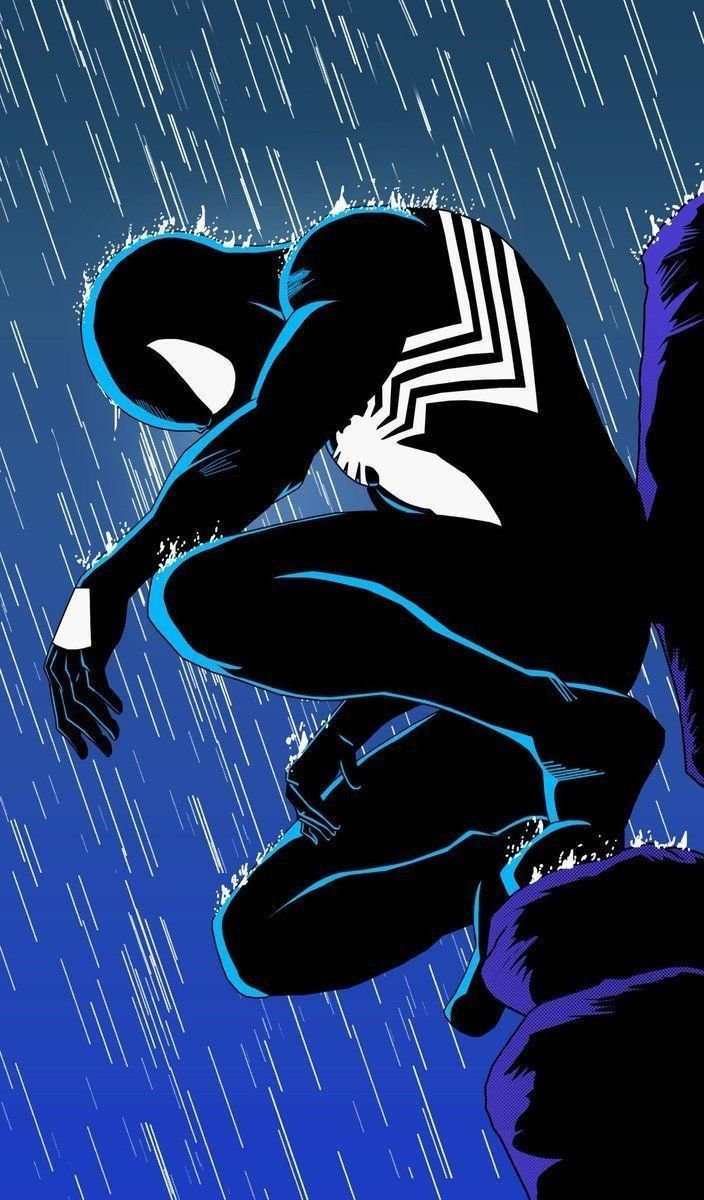
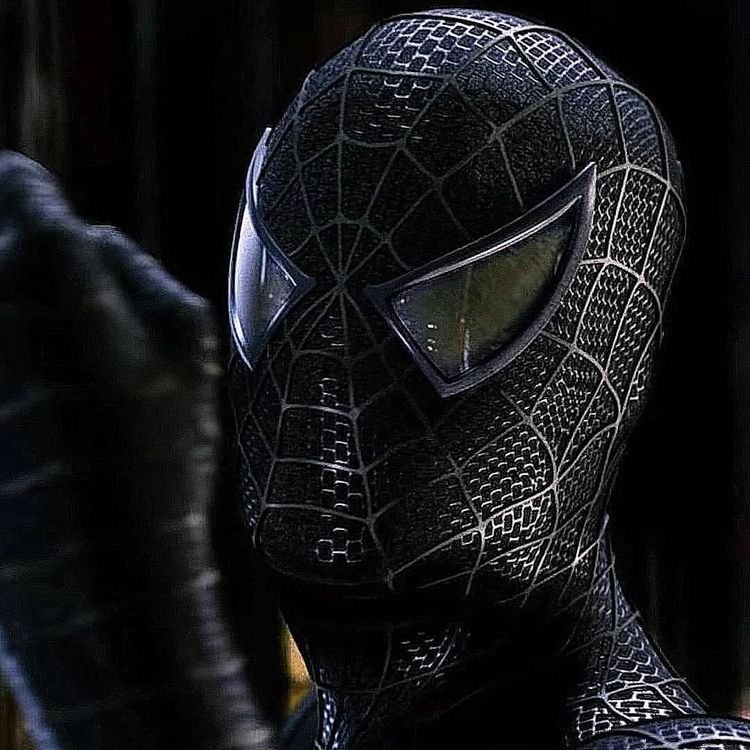
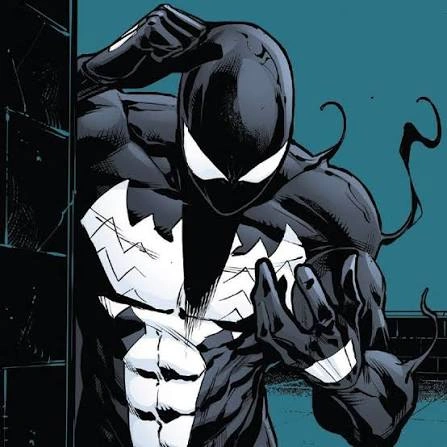
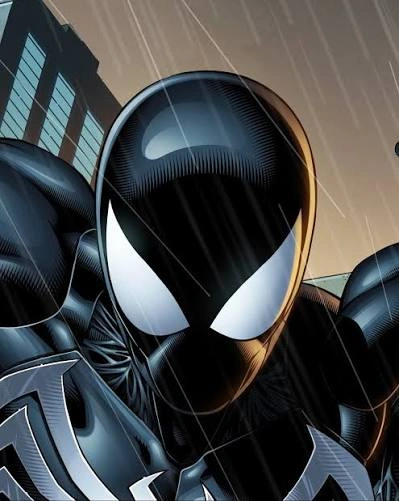
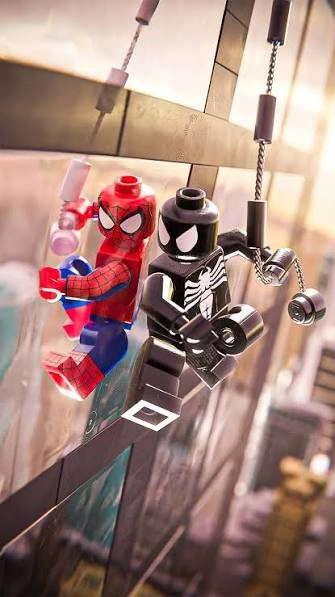
If one non-classic Spider-Man look dominates searches beyond red-and-blue, it is the black symbiote suit, introduced in Secret Wars #8 in 1984 before later plotlines revealed the costume was actually a living creature. The solid black design with a bold white spider emblem creates instant dramatic contrast.
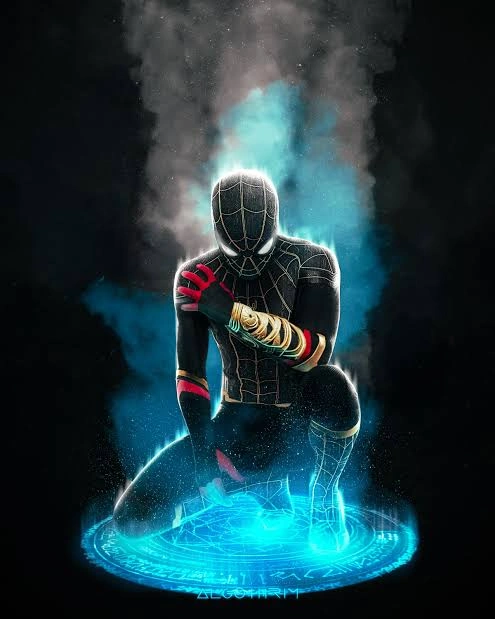
These avatars suit fans who prefer the darker side of the character. Dark backgrounds, subtle red highlights and minimal lighting keep the profile bold and mysterious while staying clean and recognizable.
Couple Spider-Man PFP
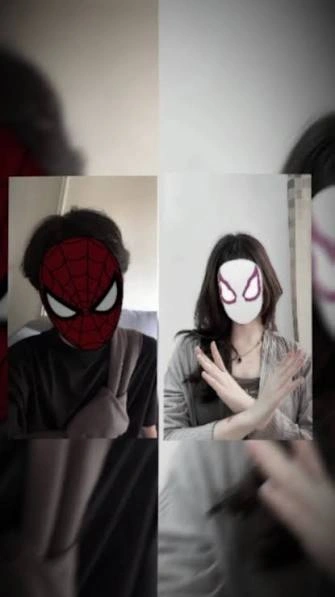
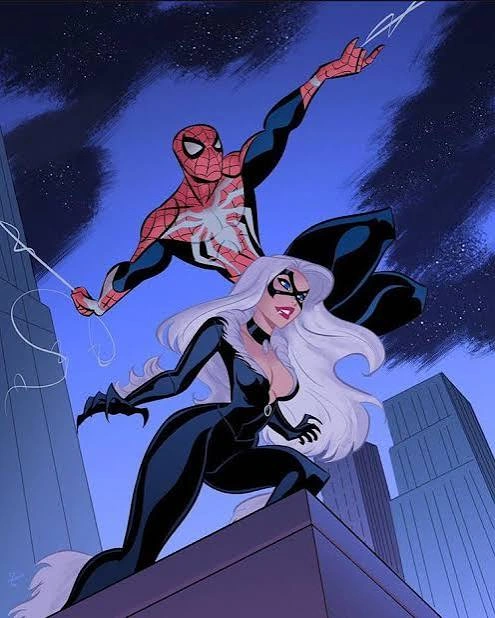
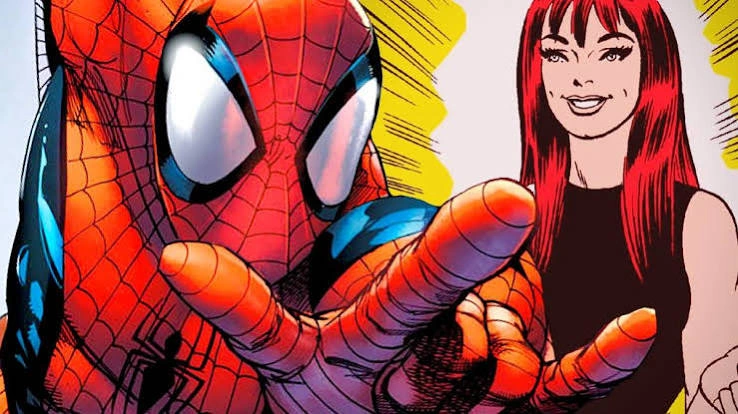
Matching couple avatars create a playful connection while keeping both profiles visually coordinated. Romantic comic scenes, mirrored poses and soft city backdrops help create a charming digital story together.
These images work especially well for Discord, WhatsApp, gaming profiles and Instagram. Coordinated colors make both icons feel connected without appearing identical, creating a balanced aesthetic.
Whether choosing cute illustrations or cinematic artwork, matching profile pictures express friendship or relationships in a stylish and memorable way while keeping a modern visual mood.
Sad Spider-Man PFP
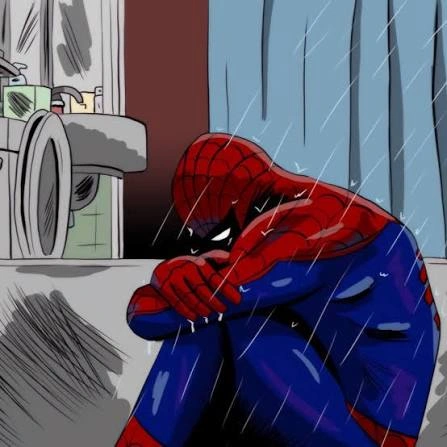
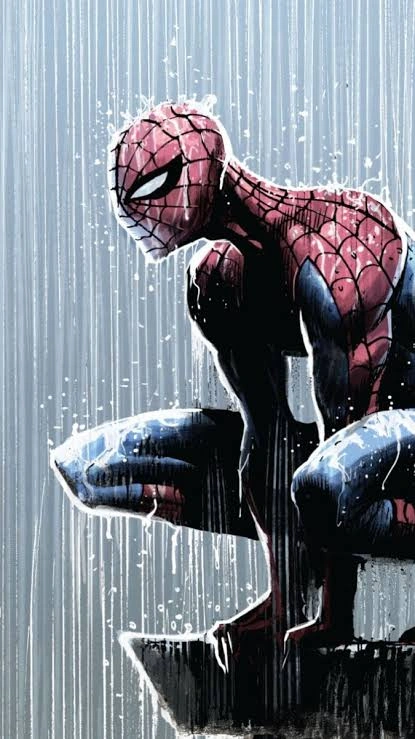
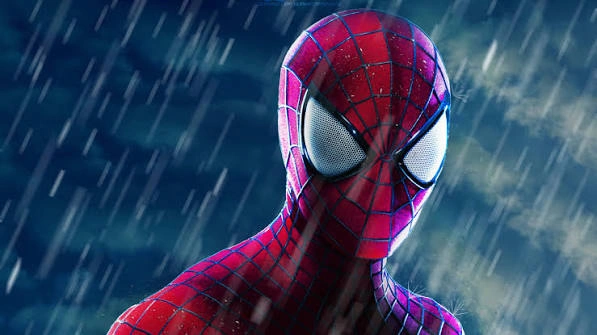
Moody rain scenes, lonely rooftops and quiet city nights create emotional profile pictures with cinematic depth. These visuals often capture reflection rather than dramatic sadness, making them feel relatable.
Cool blue lighting and darker shadows add mystery while keeping a clean artistic appearance. They work especially well on Pinterest, TikTok and Discord where expressive visuals attract attention.
Simple compositions usually create the strongest emotional effect. A thoughtful pose and subtle lighting can communicate more personality than busy backgrounds filled with unnecessary details.
Anime Spider-Man PFP
Anime-inspired artwork introduces expressive eyes, dramatic lighting and energetic compositions that feel vibrant and emotional. These illustrations often blend superhero action with Japanese-inspired visual storytelling.
Clean outlines and colorful backgrounds create striking profile pictures that stay readable even as smaller icons. They perform especially well for gaming communities and anime-focused social accounts.
Whether choosing action scenes or peaceful illustrations, anime designs offer an artistic profile aesthetic that feels youthful and creative, visually memorable.
More Spider-Man PFPs
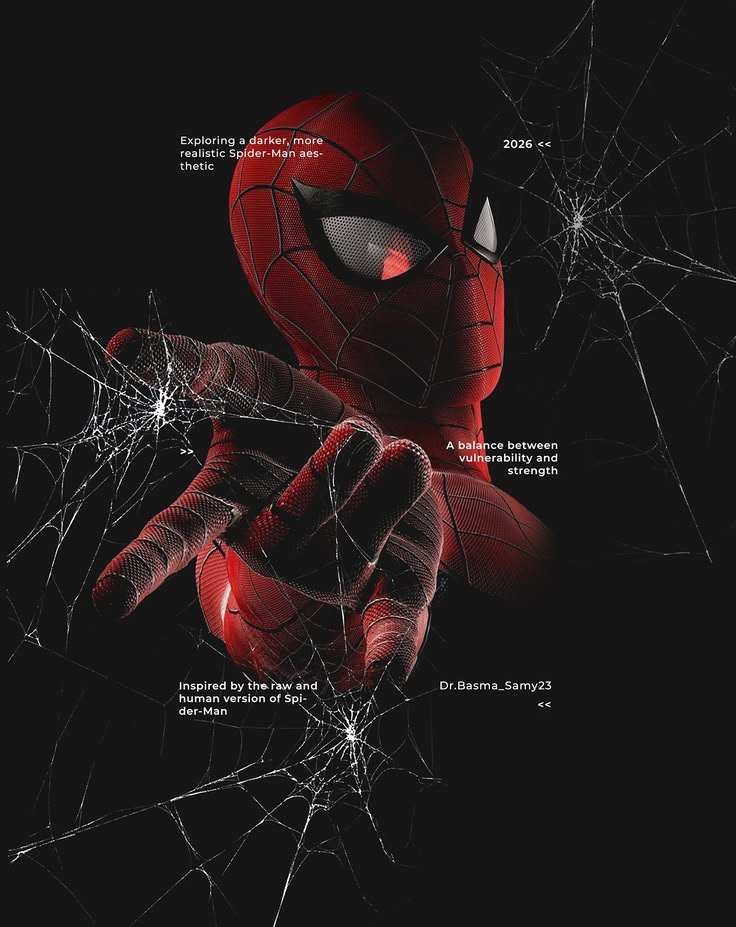
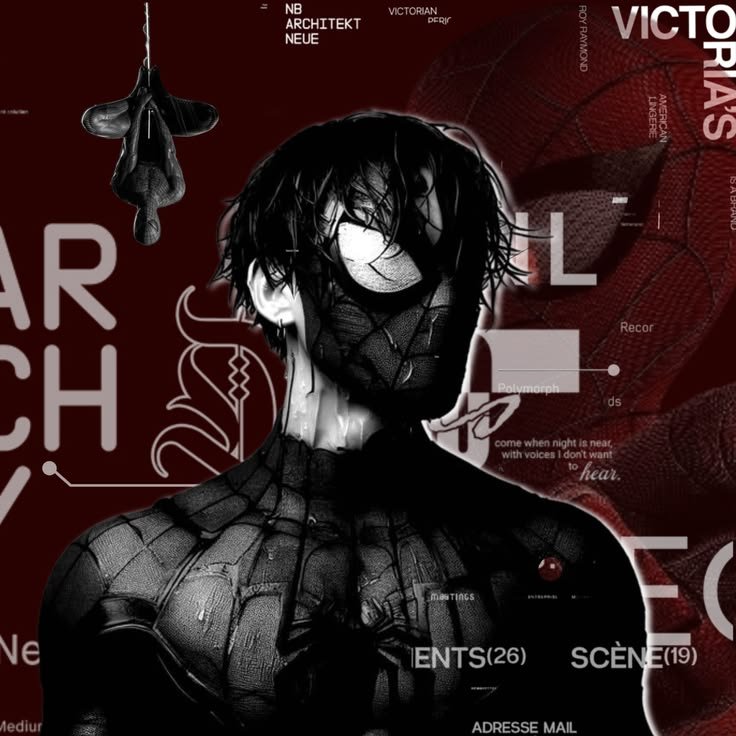
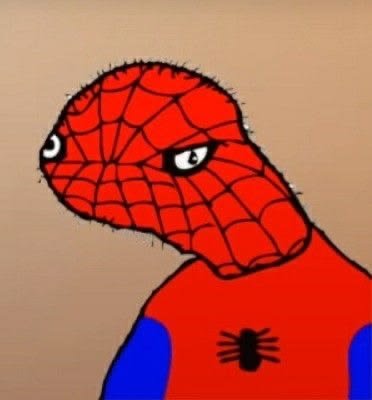
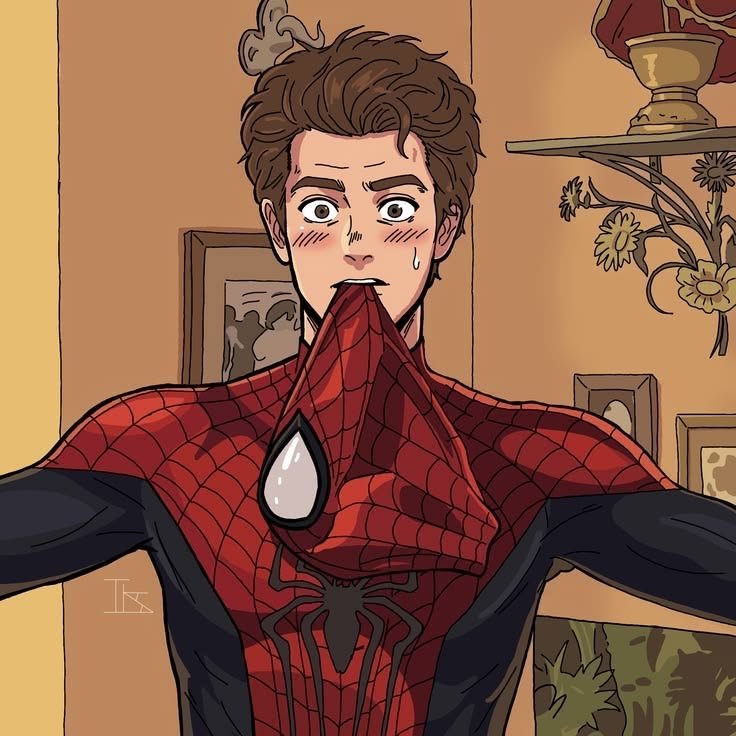
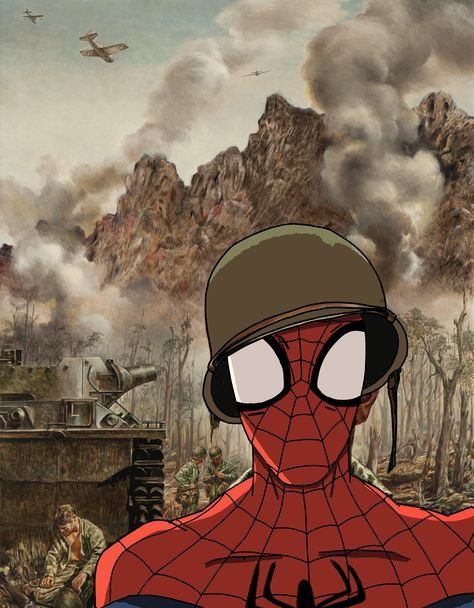
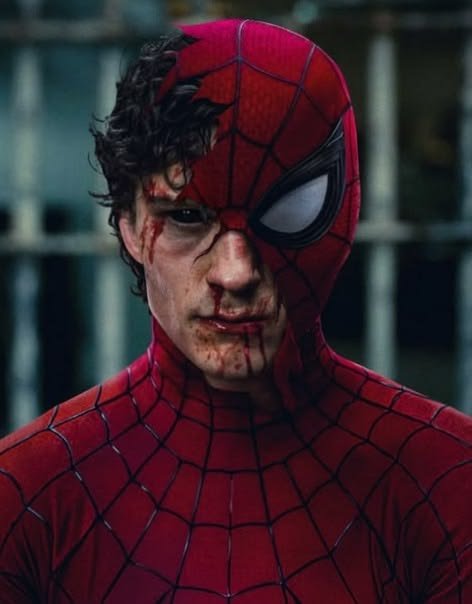
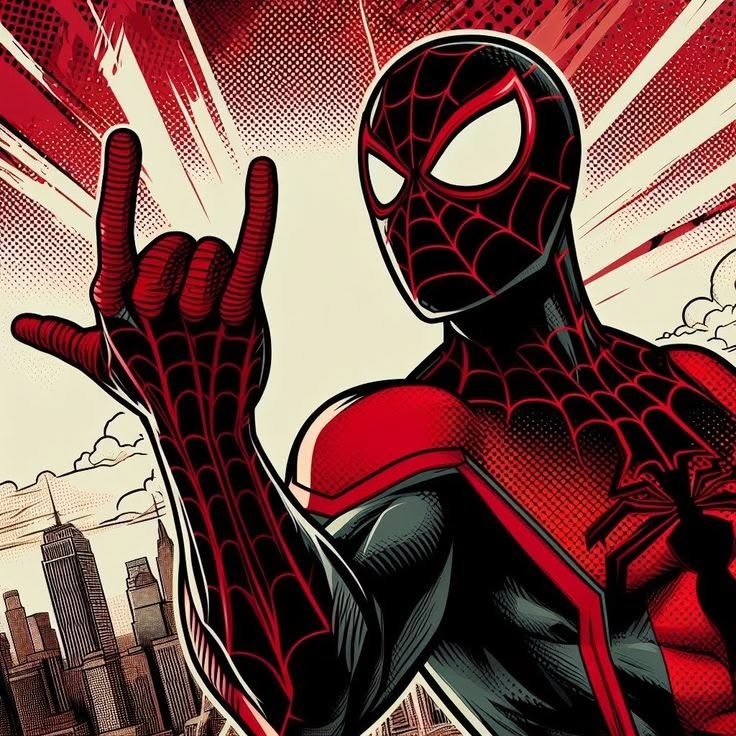
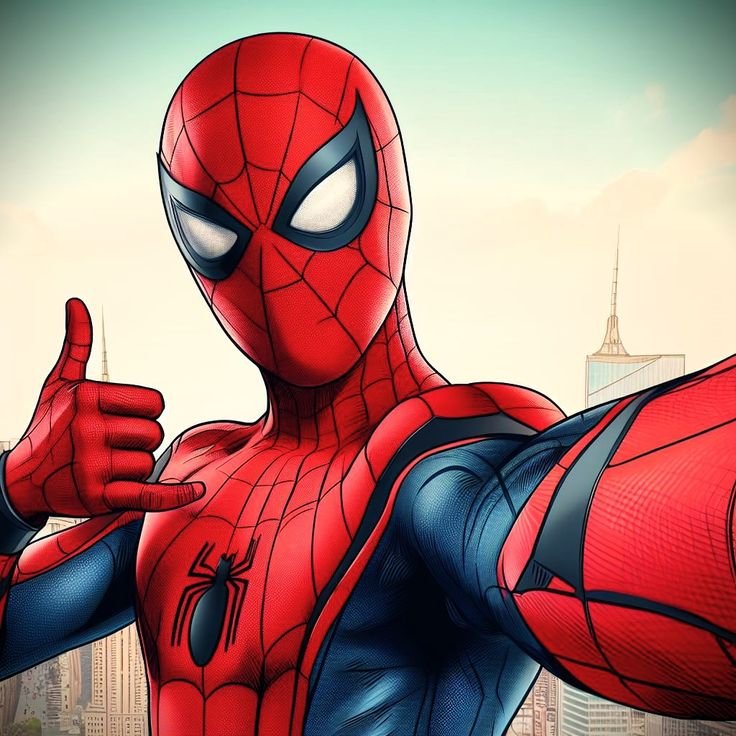
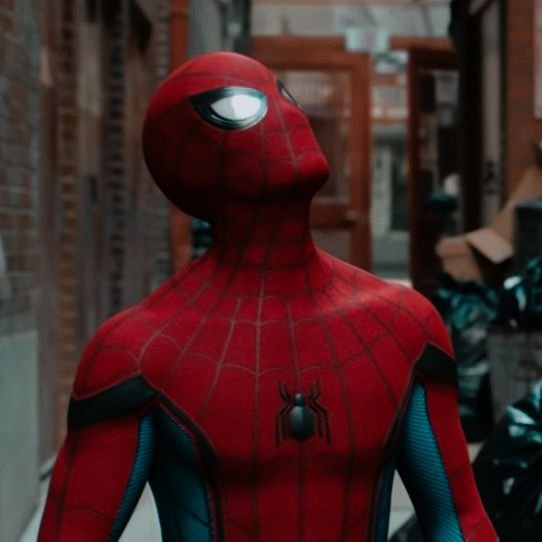
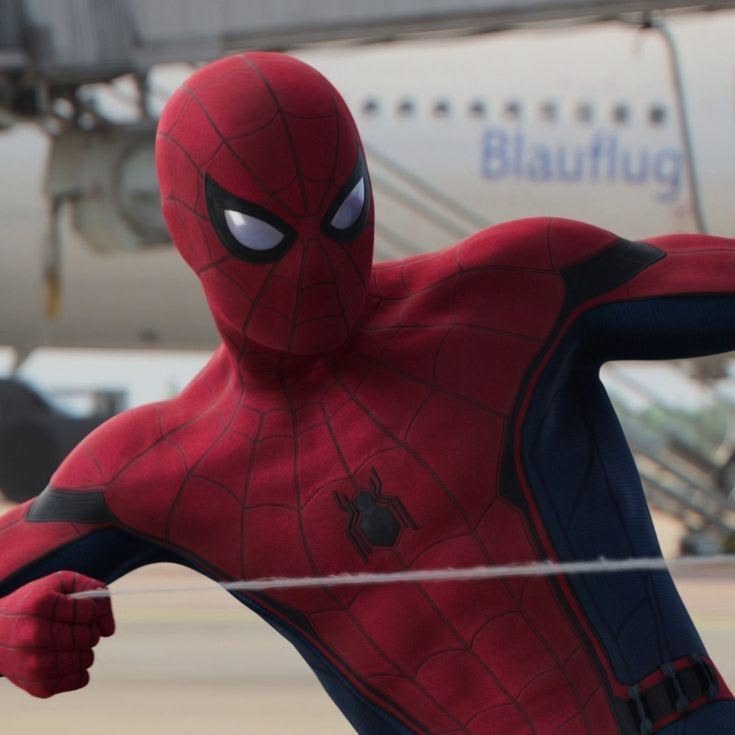
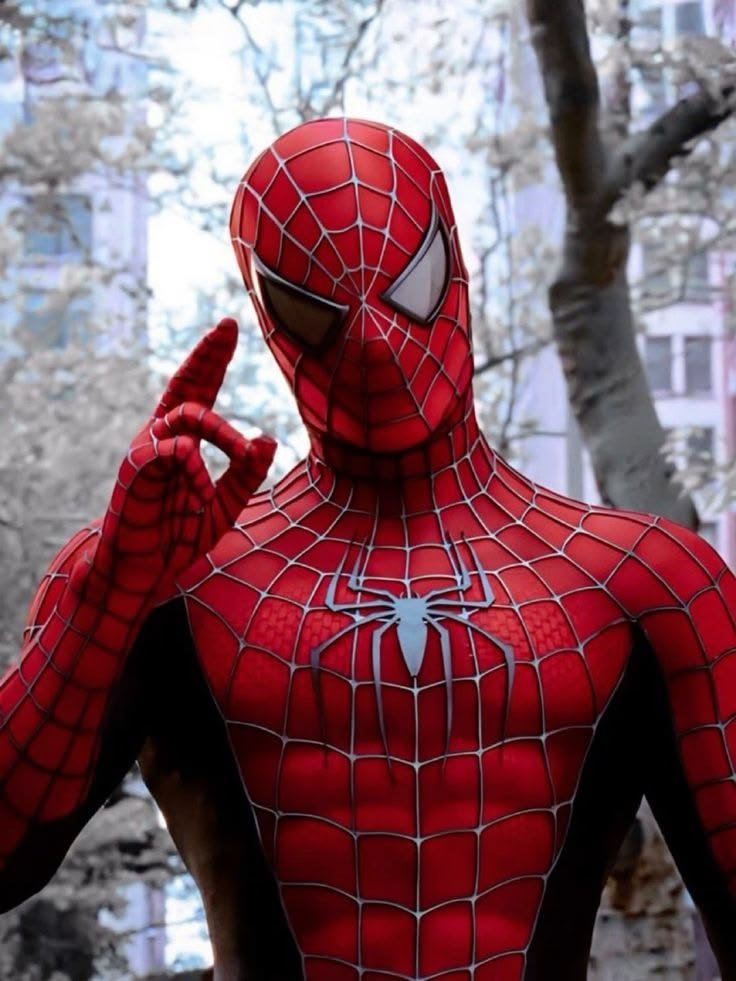
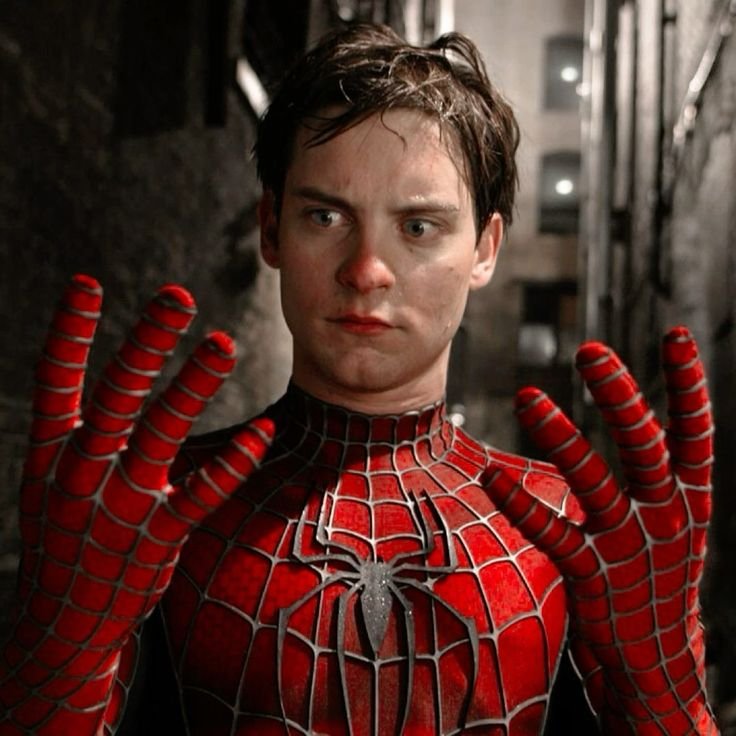
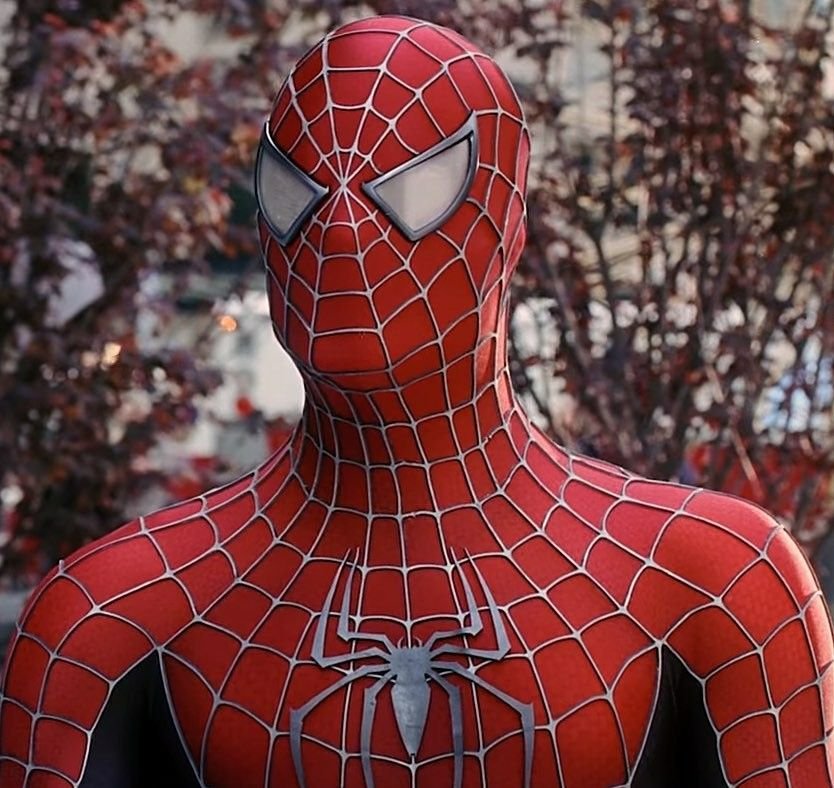
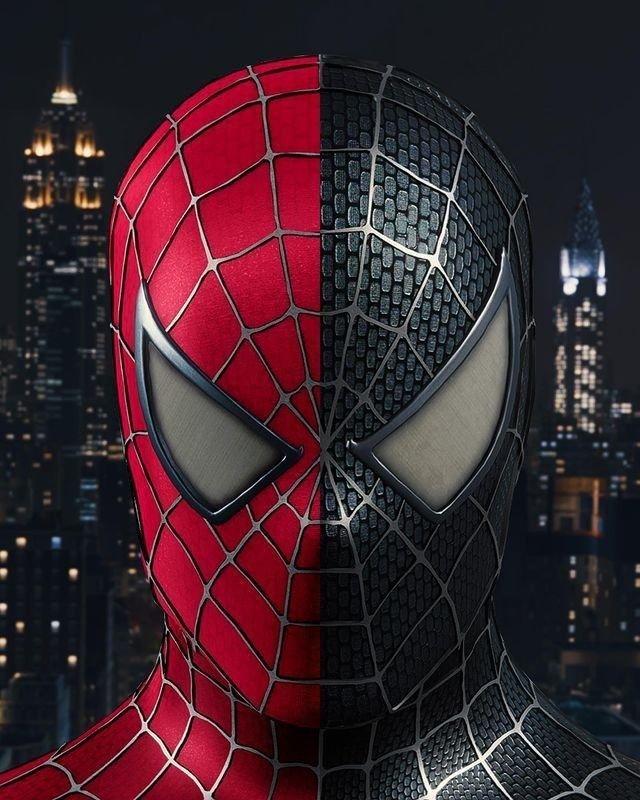
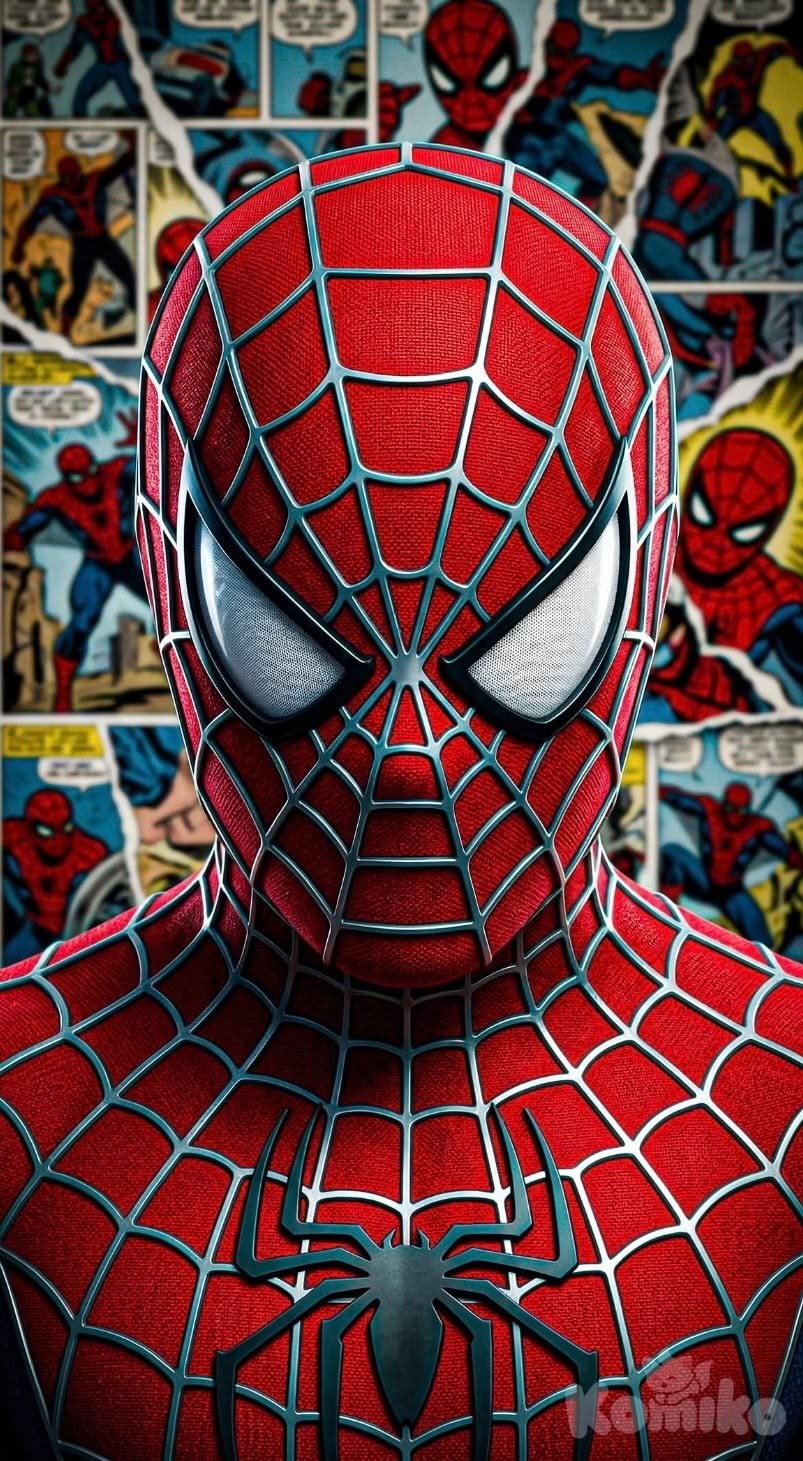
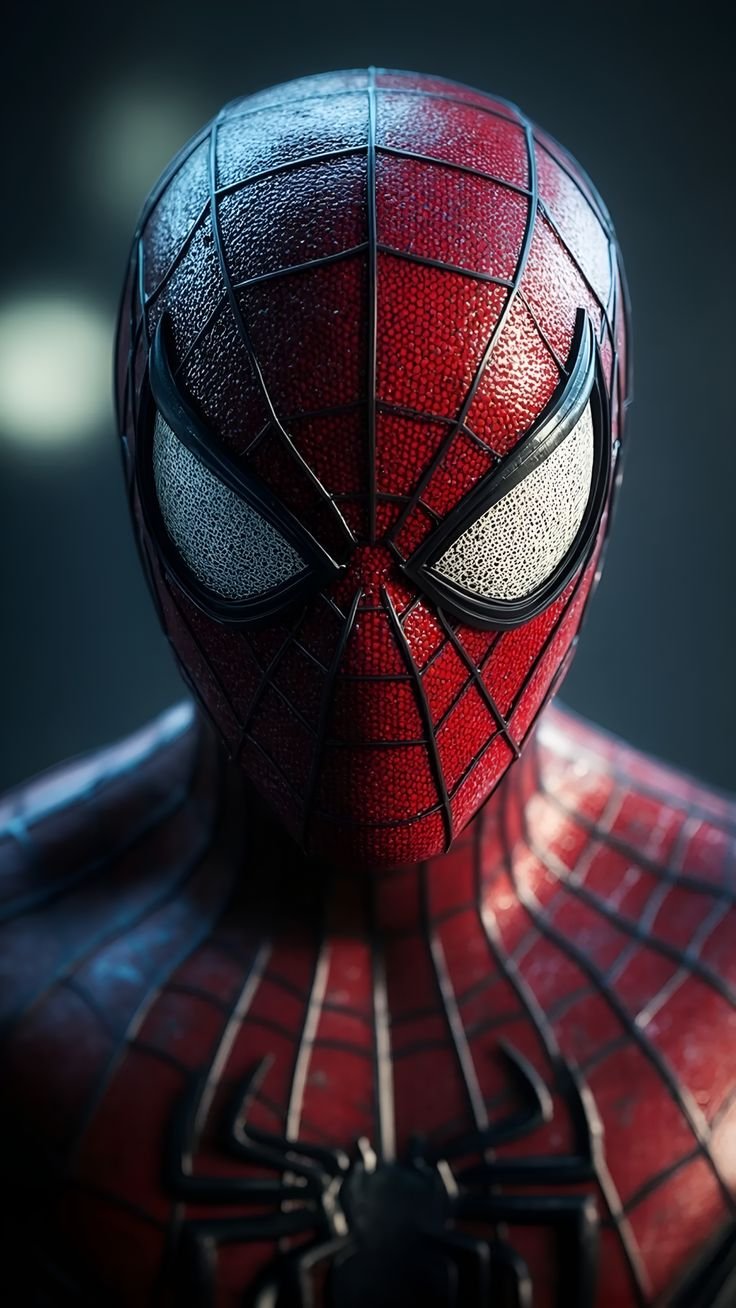
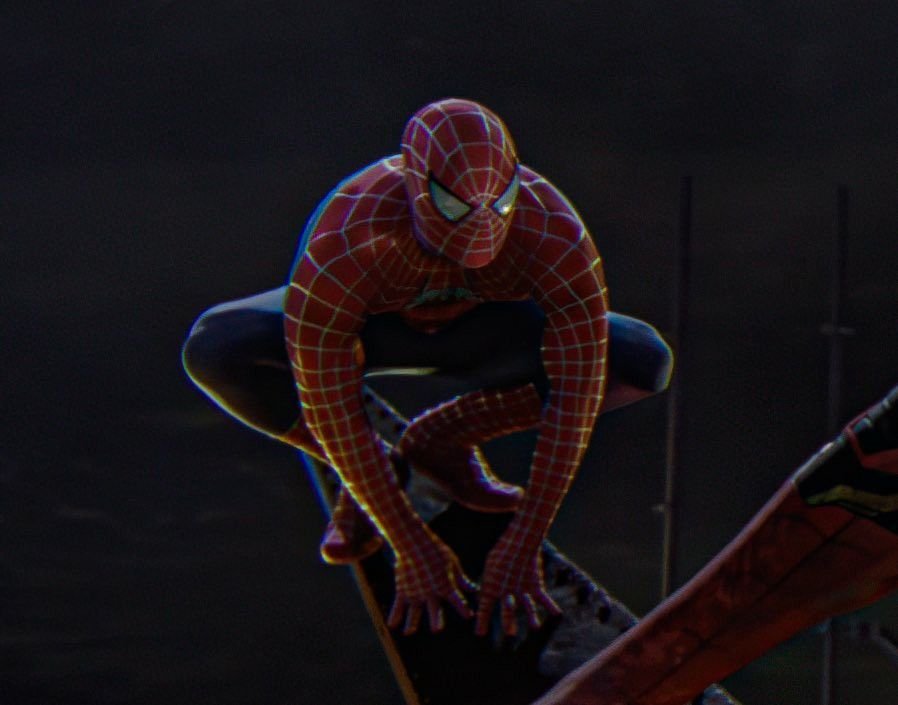
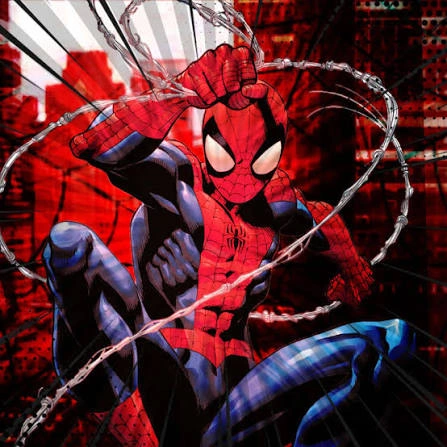
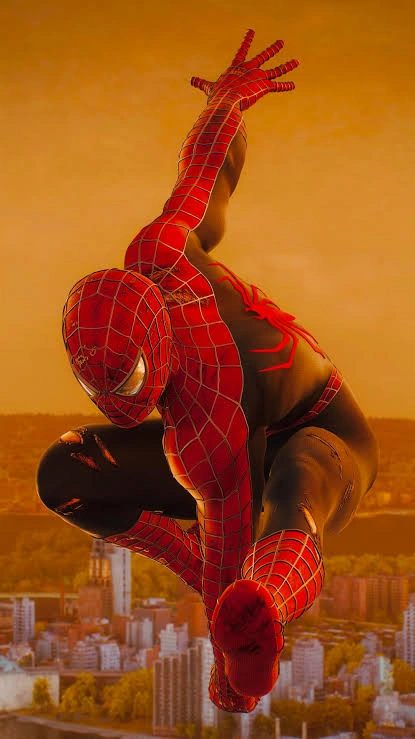
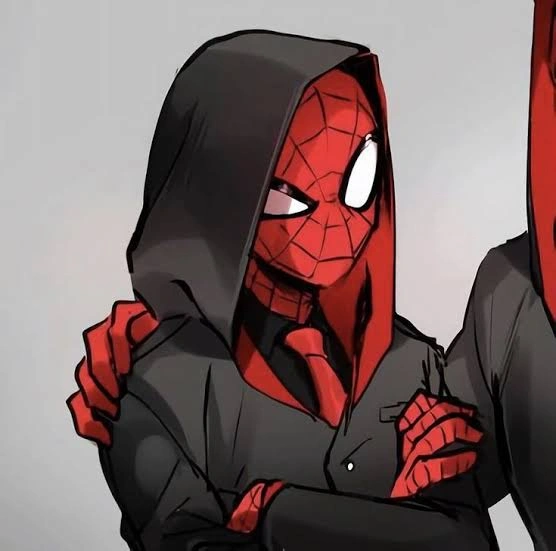
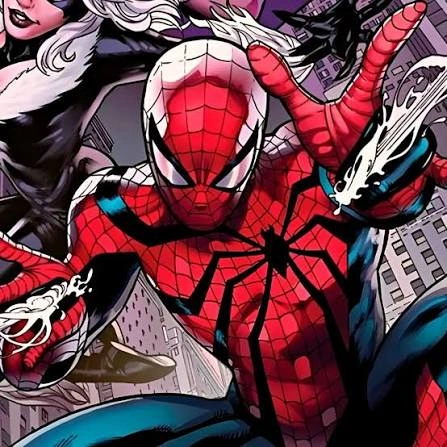
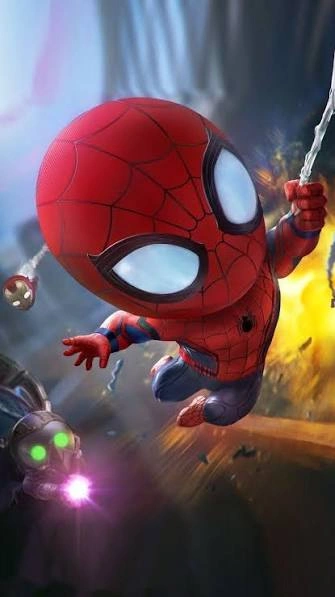
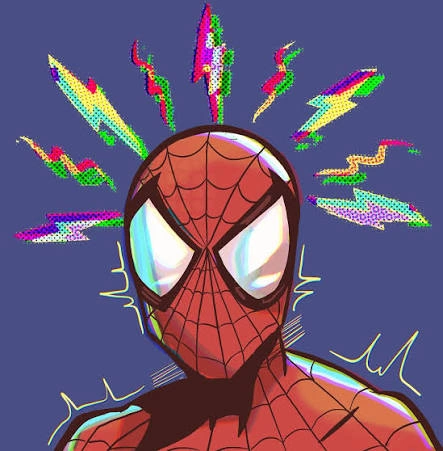
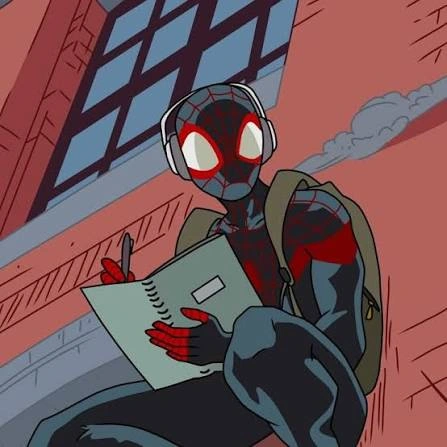
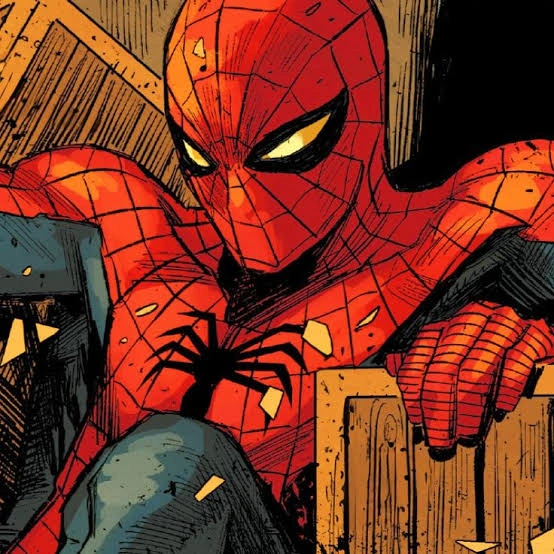
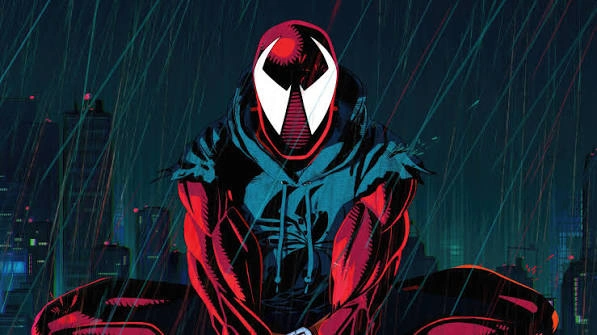
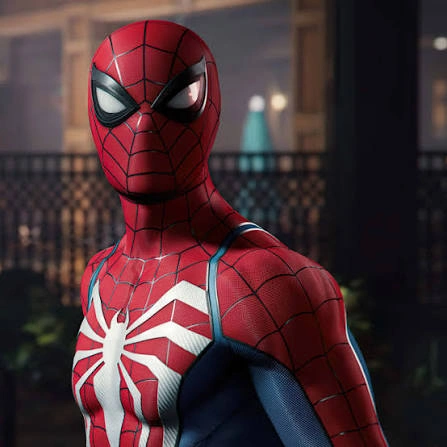
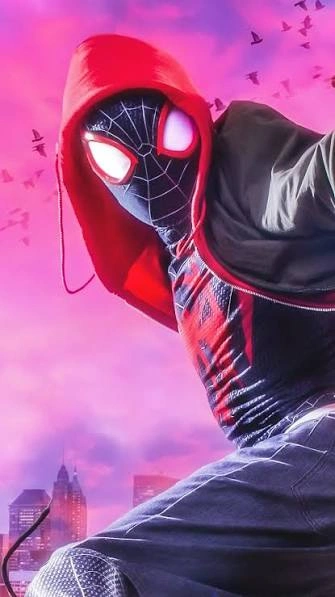
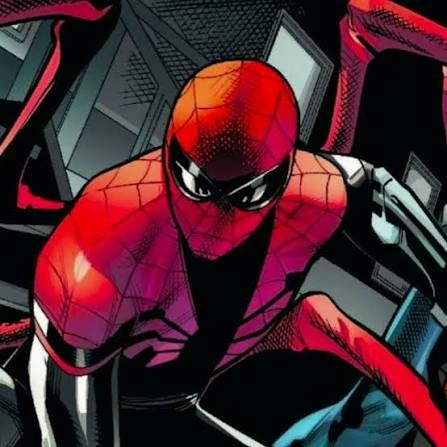
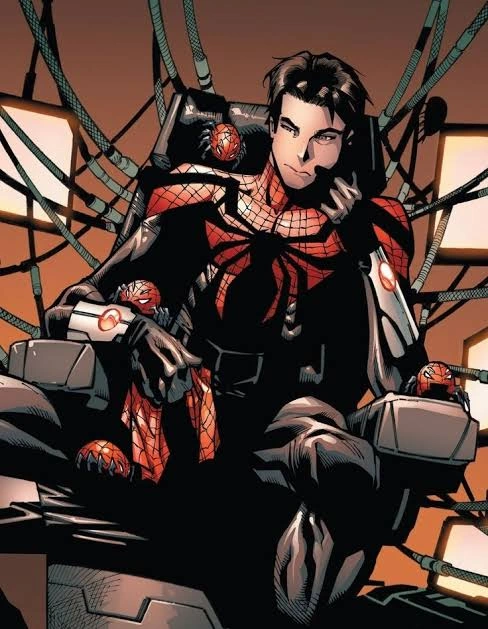
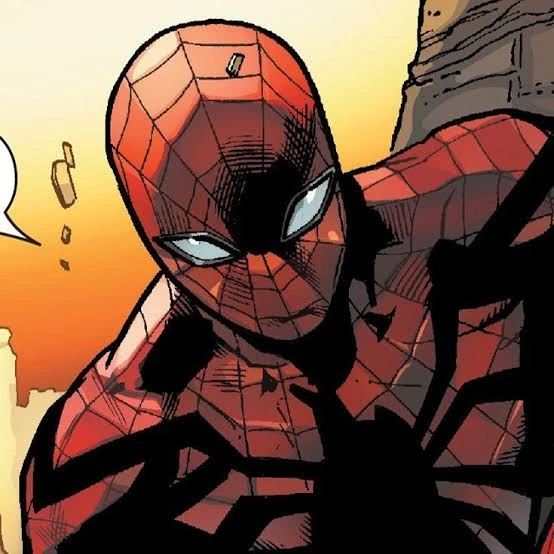
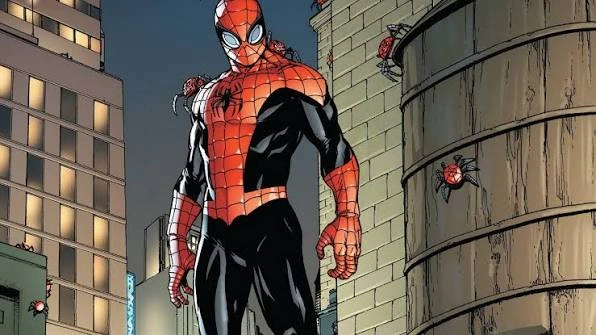
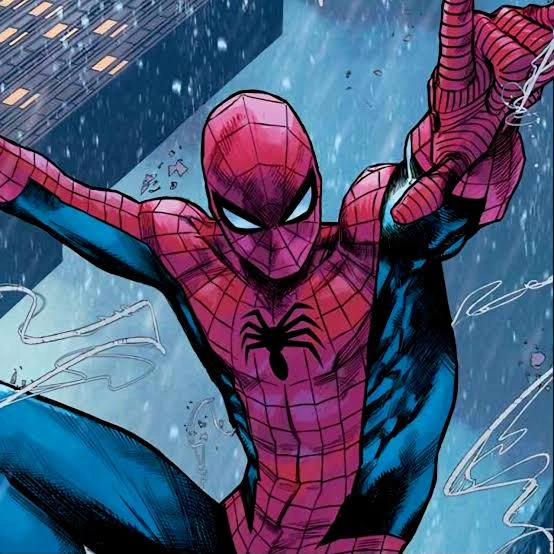
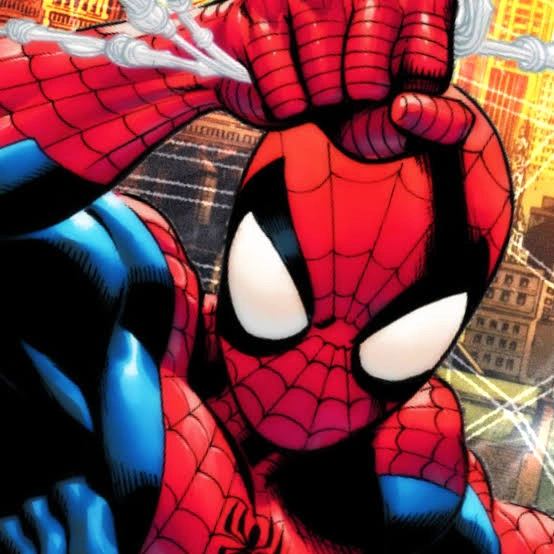
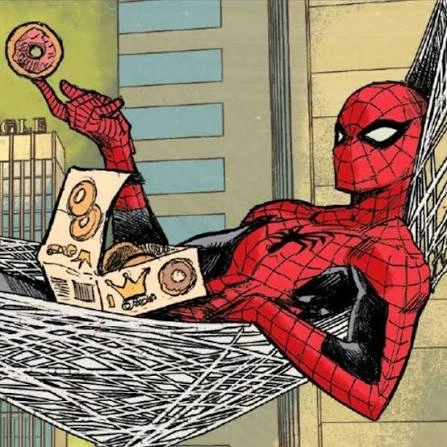
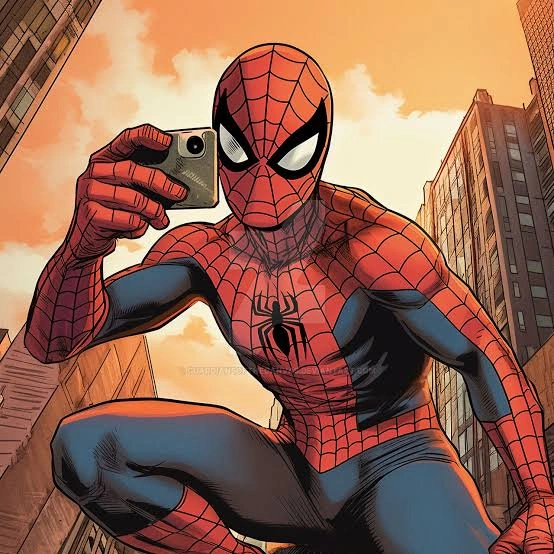
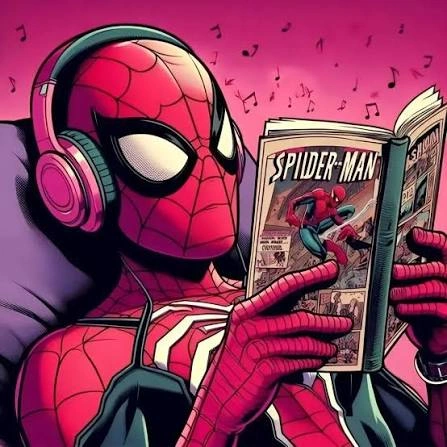
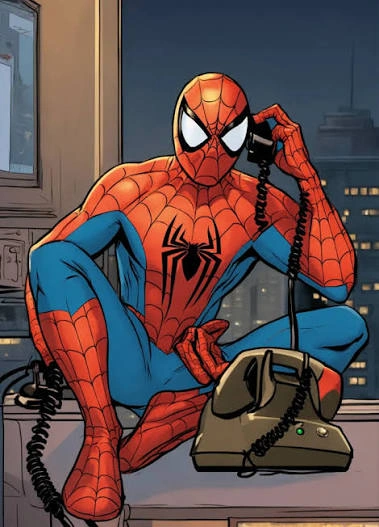
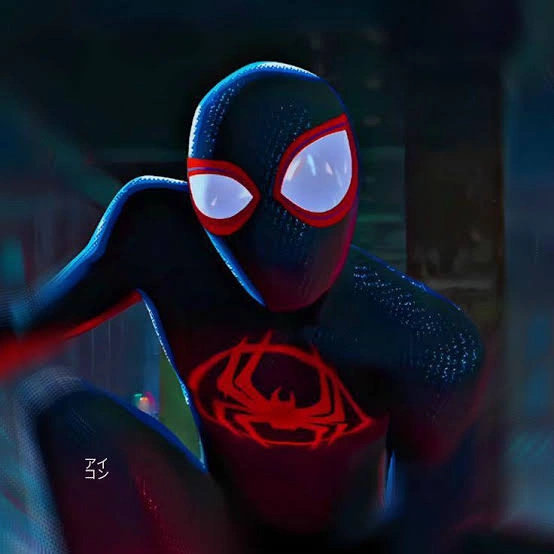
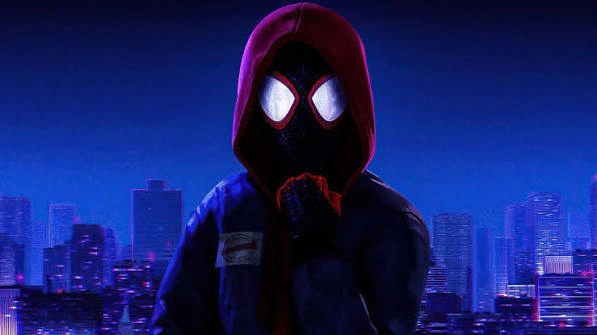
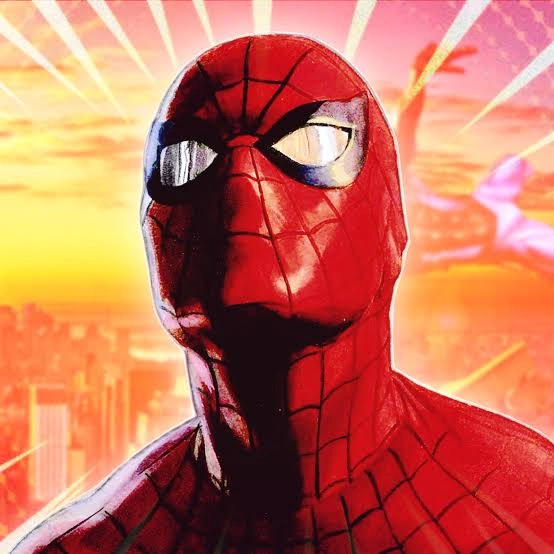
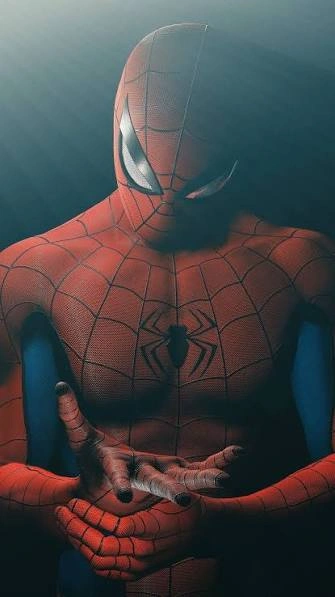
Browse the full gallery below — tap any image to view it full size, then save it as your profile picture.












Frequently Asked Questions
What makes a good Spider-Man PFP?
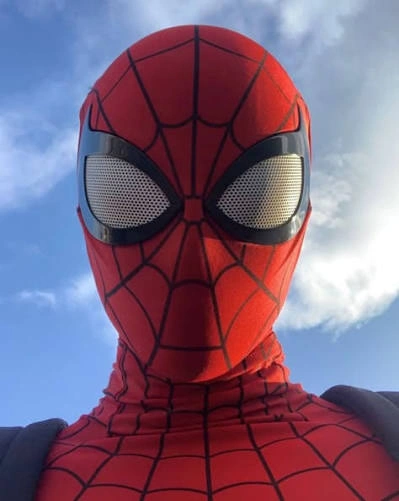
Pick artwork with a clear mask, sharp eye lenses and strong contrast. The web pattern and lens shape stay readable at avatar size, so keep the crop centered and the background simple.
Where can I use a Spider-Man PFP?
Spider-Man PFPs suit Discord, TikTok, Instagram, Pinterest and WhatsApp. They fit Marvel fans, gaming profiles and anyone who wants a bold, recognizable profile aesthetic.
What is the difference between aesthetic and cool Spider-Man PFPs?
Aesthetic Spider-Man PFPs use stillness, sparse backgrounds and muted palettes for a contemplative mood. Cool Spider-Man PFPs chase motion and angle with hard directional lighting for a bold, predator-like look.
What is the pointing meme Spider-Man PFP?
The pointing meme comes from "Double Identity," the nineteenth episode of the 1967 animated series, where Spider-Man and a costumed impostor point at each other in unison. Into the Spider-Verse (2018) restaged the gag, giving it an in-story source.
What are symbiote suit Spider-Man PFPs?
Symbiote suit PFPs feature the black costume introduced in Secret Wars #8 (1984), later revealed as a living creature. The solid black design with a white spider emblem creates dramatic contrast for fans who prefer the darker side.
Are 4K Spider-Man PFPs worth it?
Yes. High resolution preserves the fine webbing grid that compression usually destroys and keeps the oversized eye lenses crisp enough to read subtle narrowing or widening. Clean edges on red, blue and black carry the whole image.